

Sydney And The Revealing History Of Weather
History Of Weather
Sydney carries a long story shaped by shifting skies, seasonal rhythms, and the emotional tone that weather brings to daily life. The city’s relationship with weather stretches back through centuries of observation, adaptation, and cultural interpretation. People living in Sydney have always responded to the atmosphere around them, forming habits that reflect the patterns of the natural world. Weather influences how individuals move through the city, shaping their routines and emotional states.
The history of Sydney’s climate reveals how people have learned to read subtle cues in the air. These cues guide decisions, expectations, and the pace of life. The city’s changing conditions create a psychological backdrop that affects how people experience their surroundings. Weather becomes a quiet storyteller that shapes memory and mood. Sydney’s past is filled with moments defined by storms, heat, and calm skies. Each shift in the atmosphere adds another layer to the city’s identity.
The Early Rhythms Of Sydney’s Climate
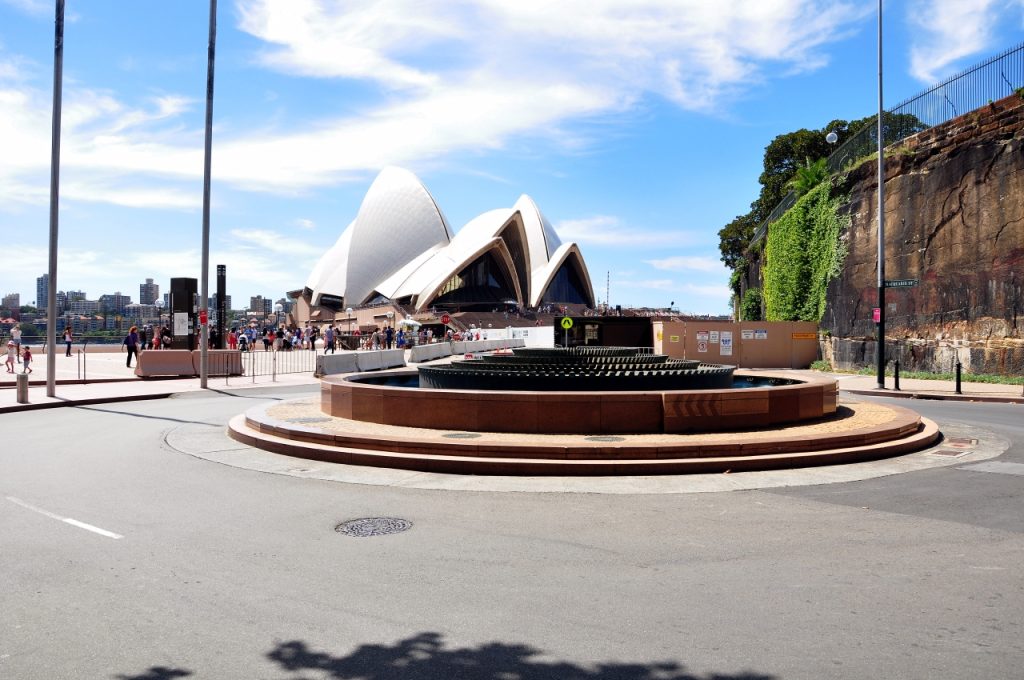
Sydney’s earliest weather patterns were observed long before modern records existed, forming a natural rhythm that shaped daily life. People responded to these rhythms with instinctive awareness, noticing how the sky signalled change. The early climate carried a balance of warm summers and mild winters, creating a steady cycle that influenced behaviour. Seasonal shifts guided movement, activity, and emotional tone.
People learned to read the wind, clouds, and temperature as part of their environment. These observations formed a foundation for interpreting the world. The early climate created a sense of continuity that shaped cultural habits. People adapted their routines to match the natural flow of the seasons. This adaptation strengthened their connection to the land. The early rhythms of Sydney’s climate became a psychological anchor. These patterns shaped how individuals experienced their surroundings.
Early Climate Elements
| Element | Influence On Life |
|---|---|
| Seasonal cycles | Guided routines |
| Coastal winds | Shaped movement |
| Mild winters | Supported activity |
| Warm summers | Influenced habits |
| Natural cues | Directed behaviour |
The Emotional Impact Of Seasonal Shifts
Seasonal changes in Sydney create emotional shifts that influence how people experience the city. Each season carries a distinct atmosphere that shapes mood and behaviour. Summer brings brightness and energy that encourages outdoor activity. Autumn introduces a softer tone that invites reflection. Winter carries a calmness that slows the pace of life. Spring brings renewal that sparks curiosity. These seasonal transitions create a psychological rhythm. People often feel more connected to their surroundings during these shifts. The emotional impact of weather becomes part of the city’s character. Seasonal changes shape memory and expectation. The atmosphere becomes a guide for emotional expression. Sydney’s seasons create a layered experience that influences daily life.
Seasonal Influences
- Brightness that encourages movement
- Cool air that supports reflection
- Gentle breezes that shape mood
- Shifting colours that inspire thought
- Rhythmic transitions that guide emotion
The Role Of Coastal Weather
Sydney’s coastal position shapes its weather in ways that influence both environment and emotion. The ocean creates patterns of wind and temperature that shift throughout the day. People often respond to these changes with instinctive awareness. Coastal weather carries a sense of movement that shapes the city’s atmosphere. The sea breeze brings relief during warm afternoons. Storms roll in with dramatic intensity that captures attention. The coastline becomes a stage for weather’s changing moods. People often feel more connected to nature when near the water. Coastal weather shapes the rhythm of daily life. The ocean’s influence becomes a defining feature of Sydney’s climate. This coastal environment shapes how people experience the city.
Coastal Weather Elements
| Element | Influence On Atmosphere |
|---|---|
| Sea breezes | Create relief |
| Ocean storms | Add intensity |
| Humidity shifts | Shape comfort |
| Coastal clouds | Influence tone |
| Tidal patterns | Affect rhythm |
The Psychological Effect Of Storms
Storms in Sydney create a powerful emotional atmosphere that shapes perception. The build‑up of dark clouds creates anticipation. People often feel a heightened sense of alertness during these moments. The sound of thunder adds intensity to the environment. Rainfall creates a rhythmic backdrop that influences mood. Storms reveal the dramatic side of Sydney’s climate. People often pause to observe the sky during these events. The emotional effect of storms becomes part of the city’s identity. Storms create moments of reflection and stillness. They also bring a sense of renewal once they pass. The psychological impact of storms shapes how people remember the weather.
Storm‑Driven Influences
- Heightened alertness
- Emotional intensity
- Rhythmic soundscapes
- Moments of reflection
- Sense of renewal
The History Of Heat In Sydney
Sydney’s warm climate has shaped its history through periods of intense heat. People often respond to heat with changes in behaviour and pace. Warm days create a slower rhythm that influences movement. Heat encourages individuals to seek shade and rest. The city’s architecture reflects adaptation to warm conditions. People often recall memorable summers shaped by long, bright days. Heat becomes part of Sydney’s cultural memory. The emotional effect of warmth shapes social interaction. People gather outdoors during warm evenings. Heat creates a shared experience that becomes part of the city’s story. Sydney’s history of heat reveals how climate shapes behaviour.
Heat‑Related Elements
| Element | Influence On Behaviour |
|---|---|
| High temperatures | Slow movement |
| Bright sunlight | Shapes mood |
| Warm evenings | Encourage gathering |
| Seasonal heatwaves | Influence habits |
| Coastal relief | Supports comfort |
The Calmness Of Winter
Sydney’s winters carry a gentle calmness that shapes the emotional tone of the city. The cooler air creates a sense of clarity. People often feel more reflective during winter months. The softer light adds a quiet atmosphere to daily life. Winter encourages slower movement and thoughtful moments. People often seek warmth through social connection. The season creates opportunities for introspection. Winter becomes a time of emotional reset. The calmness of the season shapes memory. People often recall winter as a period of balance. Sydney’s winter atmosphere becomes a subtle influence on behaviour.
Winter‑Driven Qualities
- Soft light
- Cool air
- Slower pace
- Reflective mood
- Emotional clarity
The Influence Of Wind Patterns
Wind plays a significant role in shaping Sydney’s weather history. The city experiences shifting winds that influence temperature and atmosphere. People often notice how wind changes the emotional tone of a day. Gentle breezes create a sense of ease. Strong winds bring intensity that captures attention. Wind patterns shape how people move through the city. The direction of the wind often signals upcoming weather changes. People respond to these cues with instinctive awareness. Wind becomes a subtle guide for daily expectations. The psychological effect of wind shapes perception. Sydney’s wind patterns add depth to its climate story.
Wind‑Related Elements
| Element | Influence On Atmosphere |
|---|---|
| Gentle breezes | Encourage ease |
| Strong gusts | Add intensity |
| Direction shifts | Signal change |
| Coastal winds | Shape comfort |
| Seasonal patterns | Influence mood |
The Memory Of Rain
Rainfall in Sydney creates a sensory environment that shapes memory. The sound of rain becomes a familiar rhythm. People often feel a sense of calm during gentle showers. Rain creates moments of stillness that influence mood. The scent of wet earth adds depth to the experience. People often recall rainy days with emotional clarity. Rain shapes the pace of the city. It encourages slower movement and quiet reflection. The memory of rain becomes part of Sydney’s emotional landscape. People respond to rainfall with a mix of comfort and contemplation. Rain becomes a symbol of renewal. Sydney’s history of rain reveals how weather shapes emotion.
Rain‑Driven Influences
- Rhythmic sound
- Emotional calm
- Sensory richness
- Slower pace
- Reflective atmosphere
The Role Of Light In Sydney’s Climate
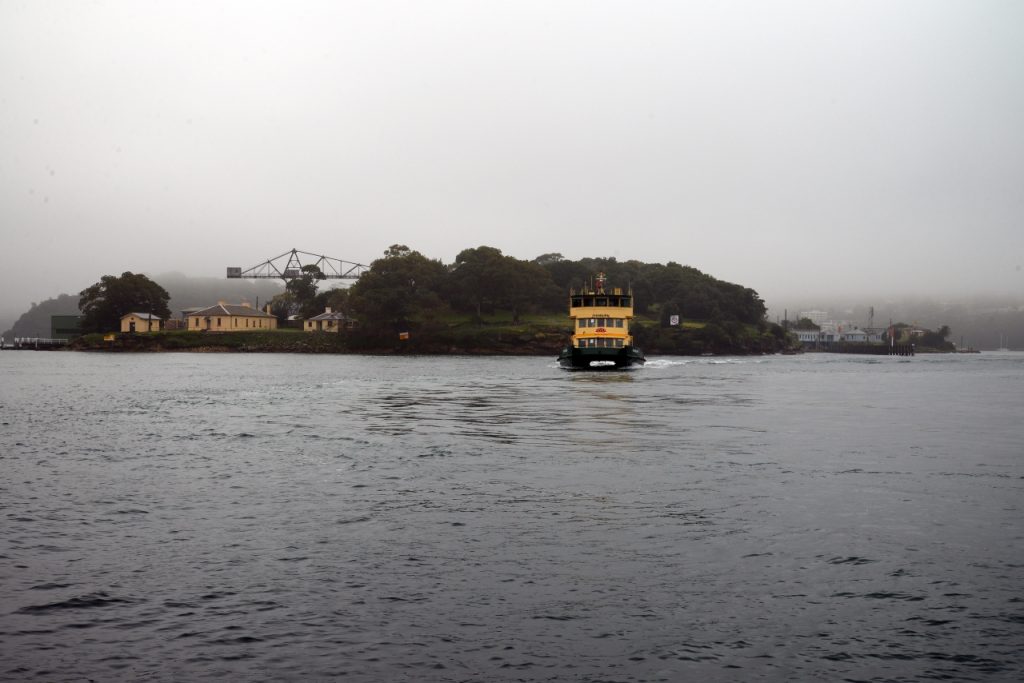
Light shapes the emotional tone of Sydney’s weather history. The city is known for its bright, clear days. People often feel energised by the intensity of sunlight. Light influences how individuals perceive colour and space. The brightness creates a sense of openness. People respond to light with increased activity. The quality of light shifts throughout the year. These shifts shape emotional responses. Light becomes a defining feature of Sydney’s climate. The city’s identity is closely tied to its luminous atmosphere. Light shapes how people experience their surroundings.
Light‑Related Qualities
| Quality | Influence On Mood |
|---|---|
| Bright sunlight | Encourages energy |
| Soft winter light | Supports reflection |
| Golden afternoons | Inspire calm |
| Clear skies | Enhance clarity |
| Seasonal shifts | Shape tone |
The Interplay Between Weather And Identity
Weather shapes how people see themselves within their environment. Sydney’s climate creates emotional cues that influence identity. People often associate their memories with specific weather patterns. These associations shape personal narratives. Weather becomes a backdrop for significant moments. People respond to the atmosphere with emotional expression. The climate influences how individuals move through the city. Weather becomes part of the city’s collective identity. People often feel connected to Sydney through its climate. The interplay between weather and identity shapes experience. Sydney’s weather history becomes part of its cultural story.
Identity‑Driven Influences
- Emotional associations
- Seasonal memories
- Atmospheric cues
- Personal narratives
- Collective experience
The Psychological Rhythm Of Sydney’s Climate
Sydney’s weather creates a rhythm that shapes emotional flow. People often adjust their pace based on the atmosphere. This rhythm becomes part of daily life. Weather influences how individuals plan their activities. The climate creates a sense of continuity. People respond to this continuity with emotional stability. The rhythm of weather shapes expectation. Seasonal patterns create a familiar cycle. People often feel more grounded when they recognise these cycles. The psychological rhythm becomes part of the city’s character. Sydney’s climate shapes how people experience time.
Rhythm‑Driven Qualities
| Quality | Influence On Experience |
|---|---|
| Seasonal cycles | Create continuity |
| Daily shifts | Shape pace |
| Atmospheric cues | Guide behaviour |
| Emotional flow | Influences mood |
| Predictable patterns | Support stability |
The Connection Between Weather And Memory
Weather shapes memory in ways that influence how people recall their experiences. Sydney’s climate creates sensory cues that become tied to personal moments. People often remember events through the atmosphere surrounding them. Weather becomes a marker of time. These markers shape emotional recall. People associate certain weather patterns with specific feelings. This association deepens the emotional impact of memory. Weather becomes part of the narrative of life. Sydney’s climate shapes how people remember the city. The connection between weather and memory becomes a powerful influence. This connection adds depth to the city’s history.
Memory‑Driven Influences
- Sensory cues
- Emotional recall
- Atmospheric markers
- Personal associations
- Narrative depth

The Future Of Sydney’s Weather Story
Sydney’s weather story continues to evolve as the climate shifts. People respond to these changes with adaptation and awareness. The future atmosphere will shape new emotional patterns. Weather will continue to influence behaviour and identity. People will develop new habits based on emerging conditions. The city’s relationship with climate will deepen through experience. Weather will remain a powerful force in shaping perception. People will continue to interpret the sky as part of their environment. The future climate will add new layers to Sydney’s story. These layers will shape how individuals experience the city. Sydney’s weather history will continue to grow.
Future‑Driven Qualities
| Quality | Influence On Experience |
|---|---|
| Emerging patterns | Shape adaptation |
| Shifting seasons | Influence behaviour |
| New rhythms | Guide emotion |
| Atmospheric change | Creates awareness |
| Evolving climate | Adds depth |
Conclusion
Sydney’s weather history reveals a rich tapestry of emotional, environmental, and cultural influences. Each shift in the atmosphere shapes how people experience the city. Weather becomes a quiet companion that guides behaviour and mood. The climate creates rhythms that influence daily life. People respond to these rhythms with instinctive awareness. Sydney’s identity is deeply tied to its luminous skies, coastal winds, and seasonal transitions. Weather shapes memory, emotion, and personal narrative. The city’s climate becomes part of its collective story. People continue to interpret the sky as part of their environment. Sydney’s weather history remains a powerful influence on its character. The relationship between people and climate continues to evolve.