

Tasmania’s Cultural Crown – The Island Of Heritage And Creativity
Tasmania stands as one of Australia’s most distinctive cultural landscapes, shaped by thousands of years of Indigenous heritage and centuries of colonial encounters. The island’s traditions are deeply rooted in the stories of the Palawa people, whose connection to land and sea continues to influence modern Tasmanian identity. European settlement brought new layers of architecture, industry, and artistic expression, blending with Indigenous traditions to create a diverse cultural fabric.
Today, Tasmania is celebrated for its festivals, museums, and creative communities that thrive across both urban and rural settings. The island’s cultural crown is not a single jewel but a mosaic of traditions, events, and innovations. From Hobart’s waterfront to Launceston’s historic streets, cultural life pulses through every corner of the island. Tasmania’s reputation as a hub of creativity is reinforced by its world-class galleries and internationally renowned festivals. The island’s culinary traditions, shaped by fertile soils and pristine waters, also contribute to its cultural richness.
Indigenous Heritage – Foundations Of Tasmanian Identity
Tasmania’s cultural crown begins with the Palawa people, whose presence on the island dates back more than 20,000 years. Their traditions, languages, and spiritual connections to the land remain central to Tasmania’s identity. The Palawa maintained complex systems of hunting, gathering, and seasonal migration, reflecting deep ecological knowledge.
Colonial encounters disrupted these traditions, but resilience ensured survival and cultural continuity. Today, Indigenous art, storytelling, and community initiatives are revitalizing traditions across the island. Palawa voices are increasingly represented in museums, festivals, and educational programs. Recognition of Indigenous heritage is essential to understanding Tasmania’s cultural crown. The island’s cultural narrative cannot be complete without acknowledging the Palawa’s enduring contributions. Their heritage forms the foundation upon which Tasmania’s modern cultural identity is built. This section highlights the importance of Indigenous heritage as the cornerstone of Tasmania’s cultural crown.
| Aspect | Detail |
|---|---|
| Timeframe | Over 20,000 years of continuous presence |
| Practices | Hunting, gathering, seasonal migration |
| Key Contribution | Ecological knowledge and spiritual traditions |
| Modern Revitalization | Art, storytelling, community initiatives |
| Cultural Significance | Foundation of Tasmanian identity |
Colonial Architecture – Symbols Of Transformation
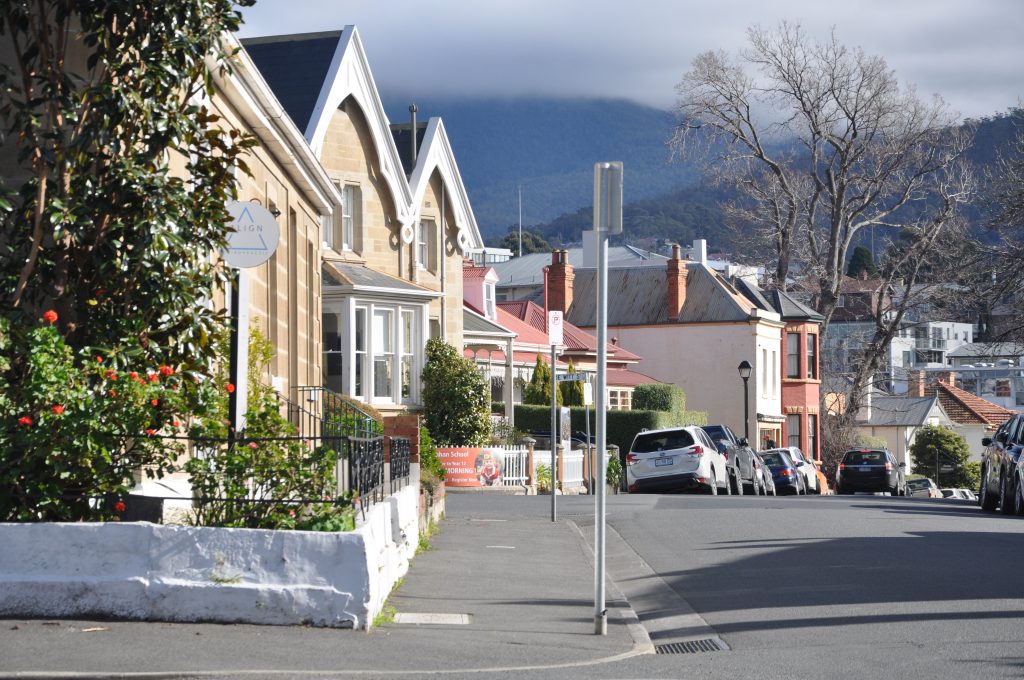
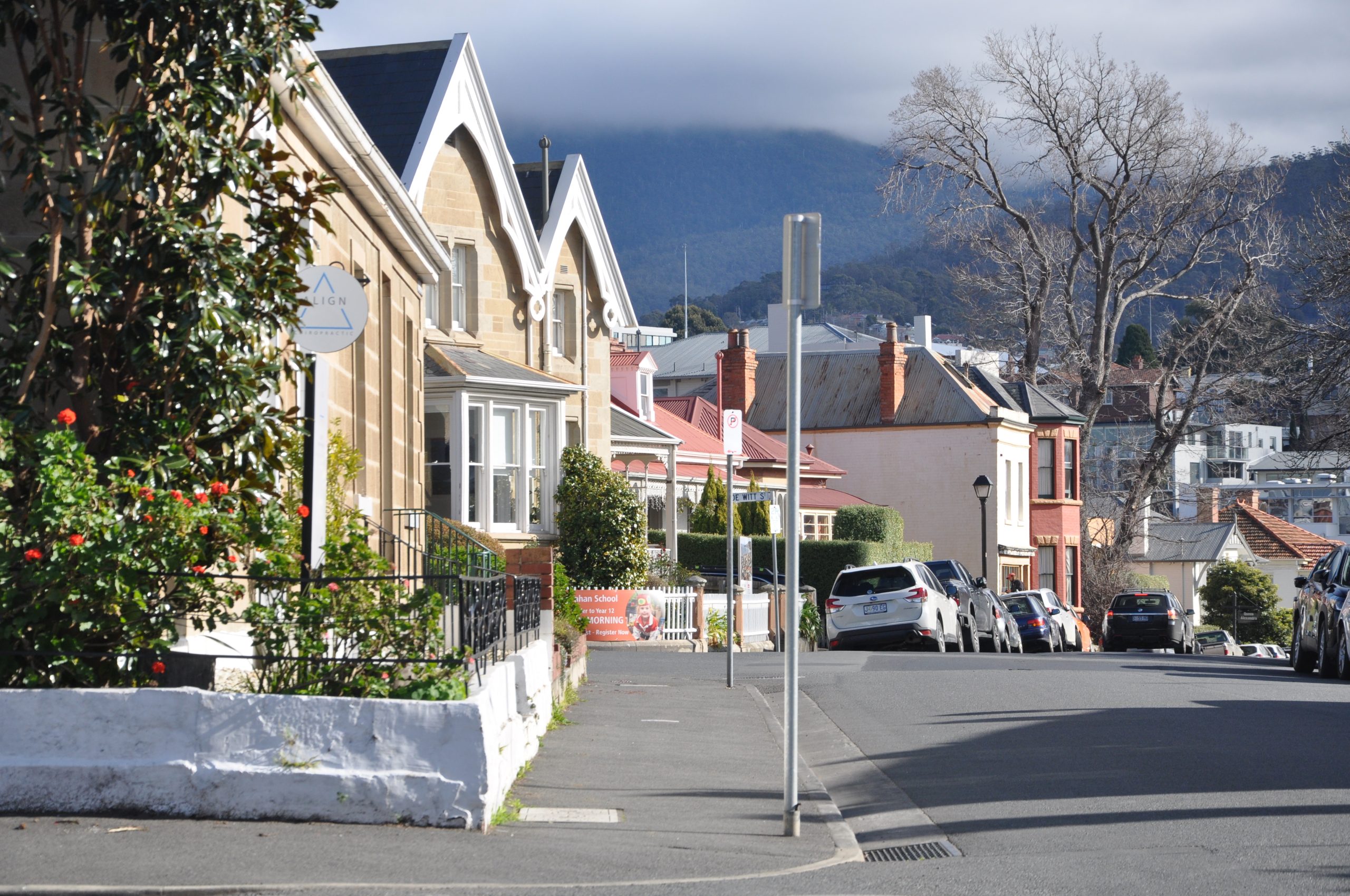
Tasmania’s colonial architecture reflects the island’s transformation during the eighteenth and nineteenth centuries. Georgian sandstone buildings in Hobart and Launceston stand as reminders of early settlement. Convict-built structures, such as Port Arthur, reveal the harsh realities of penal history. These sites are now preserved as heritage landmarks, attracting visitors from around the world. The architecture blends functionality with aesthetic appeal, showcasing craftsmanship of the era. Churches, courthouses, and warehouses illustrate the growth of urban centers. Preservation efforts ensure these structures remain part of Tasmania’s cultural crown. They serve as tangible connections to the island’s colonial past. The architecture also provides a backdrop for modern cultural events and festivals. Colonial buildings symbolize resilience and transformation, linking past and present.
- Georgian sandstone buildings in Hobart and Launceston
- Convict-built heritage sites including Port Arthur
- Churches and courthouses as civic landmarks
- Warehouses reflecting maritime trade
- Preservation efforts maintaining historical integrity
Festivals Of Creativity – Celebrations Across The Island
Tasmania’s festivals are central to its cultural crown, offering vibrant celebrations of art, music, and food. The MONA FOMA and Dark Mofo festivals showcase avant-garde performances and immersive experiences. Taste of Summer in Hobart highlights culinary excellence with local produce and wines. The Cygnet Folk Festival brings together musicians, poets, and dancers in the Huon Valley. Launceston’s Festivale celebrates food, wine, and entertainment in a family-friendly atmosphere. The Rolex Sydney Hobart Yacht Race concludes in Hobart, blending sport with cultural festivities. These events attract international visitors and strengthen community bonds. Festivals highlight Tasmania’s creativity and hospitality. They reflect the island’s ability to merge tradition with innovation. The diversity of festivals ensures Tasmania’s cultural crown shines year-round.
| Festival | Location | Focus |
|---|---|---|
| MONA FOMA | Hobart | Avant-garde music and art |
| Dark Mofo | Hobart | Immersive winter festival |
| Taste of Summer | Hobart | Food and wine |
| Cygnet Folk Festival | Huon Valley | Music, poetry, dance |
| Festivale | Launceston | Culinary and entertainment |
Museums And Galleries – Guardians Of Heritage
Tasmania’s museums and galleries preserve and present the island’s cultural treasures. The Tasmanian Museum and Art Gallery in Hobart showcases Indigenous artifacts and colonial collections. MONA, the Museum of Old and New Art, challenges visitors with provocative contemporary works. Regional galleries highlight local artists and community stories. These institutions serve as educational spaces, fostering cultural awareness. Exhibitions often blend historical narratives with modern interpretations. Museums and galleries are essential to Tasmania’s cultural crown. They ensure heritage is accessible to future generations. Their collections reflect both global influences and local traditions. By preserving artifacts and promoting creativity, they strengthen Tasmania’s cultural identity.
- Tasmanian Museum and Art Gallery preserving heritage
- MONA presenting contemporary and provocative works
- Regional galleries showcasing local artists
- Exhibitions blending history and modernity
- Educational programs fostering awareness
Maritime Heritage – Anchors Of Identity
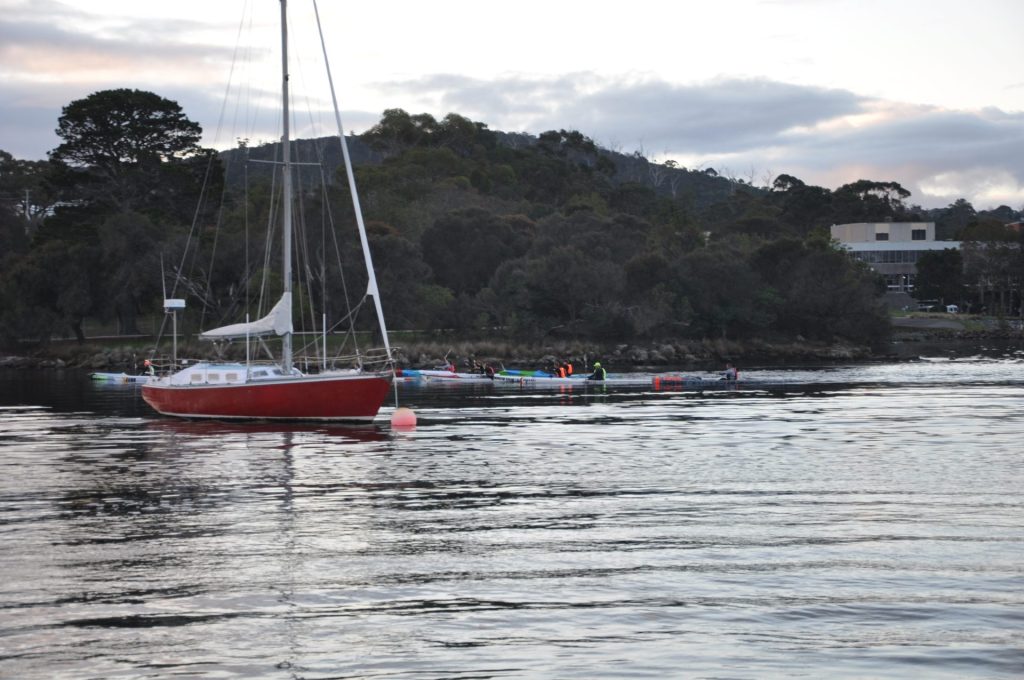
Tasmania’s maritime heritage is a vital part of its cultural crown, reflecting centuries of seafaring traditions. The island’s ports, particularly Hobart, were central to whaling, sealing, and trade during the nineteenth century. Shipbuilding flourished, with skilled craftsmen producing vessels for exploration and commerce. Maritime museums and heritage trails preserve these stories for modern audiences.
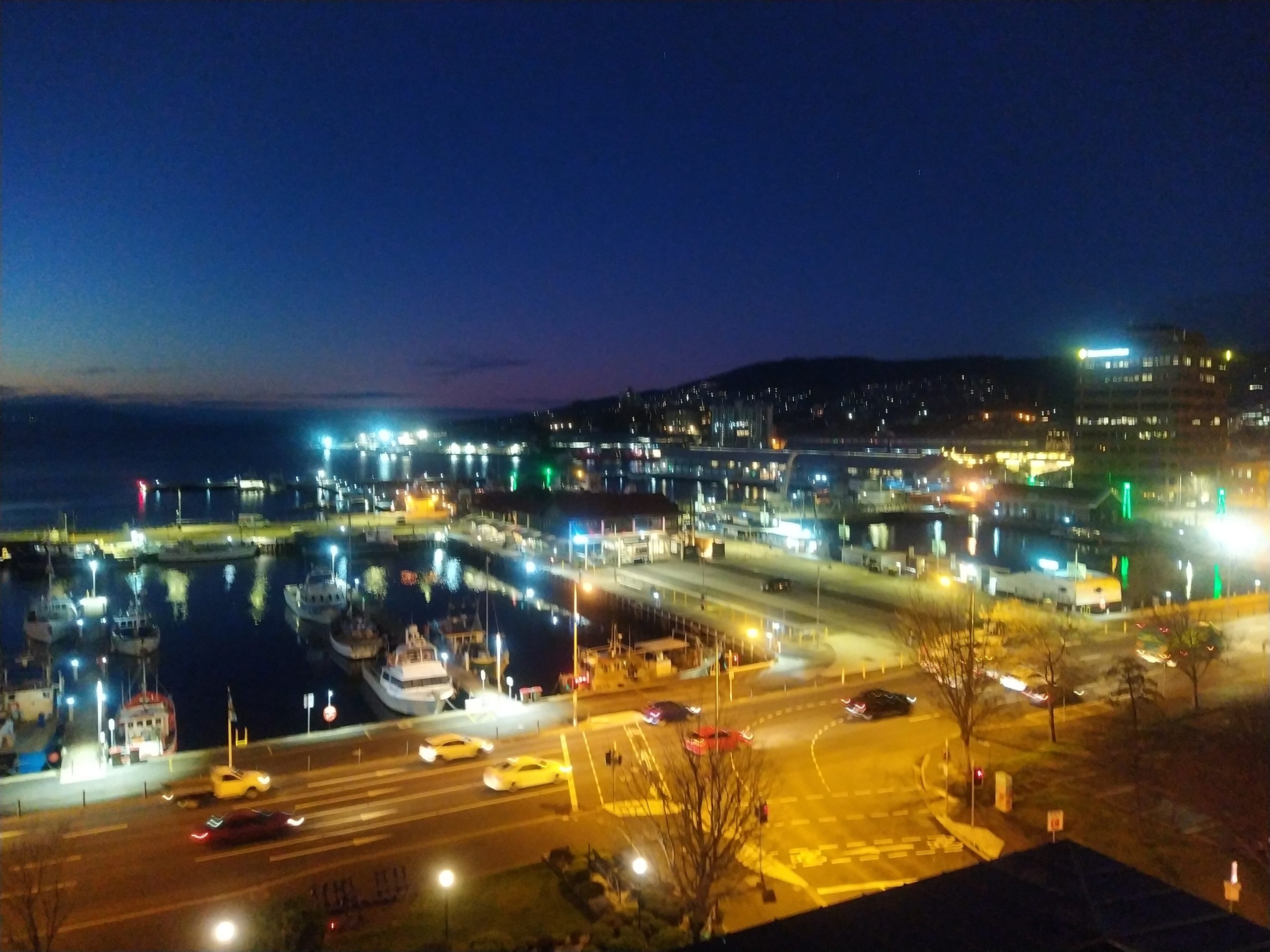
The annual Sydney to Hobart Yacht Race highlights Tasmania’s ongoing connection to the sea. Fishing communities along the coast continue traditions passed down through generations. Maritime heritage also influences local cuisine, with seafood central to Tasmanian identity. The sea remains both a livelihood and a cultural symbol. Hobart’s waterfront blends historic warehouses with modern cultural venues. Maritime heritage anchors Tasmania’s cultural crown in both history and daily life.
| Maritime Element | Contribution |
|---|---|
| Whaling & Sealing | Economic foundation in 19th century |
| Shipbuilding | Skilled craftsmanship and exploration |
| Sydney to Hobart Race | International sporting tradition |
| Fishing Communities | Generational livelihood |
| Waterfront Heritage | Blend of history and modern culture |
Performing Arts – Stages Of Creativity
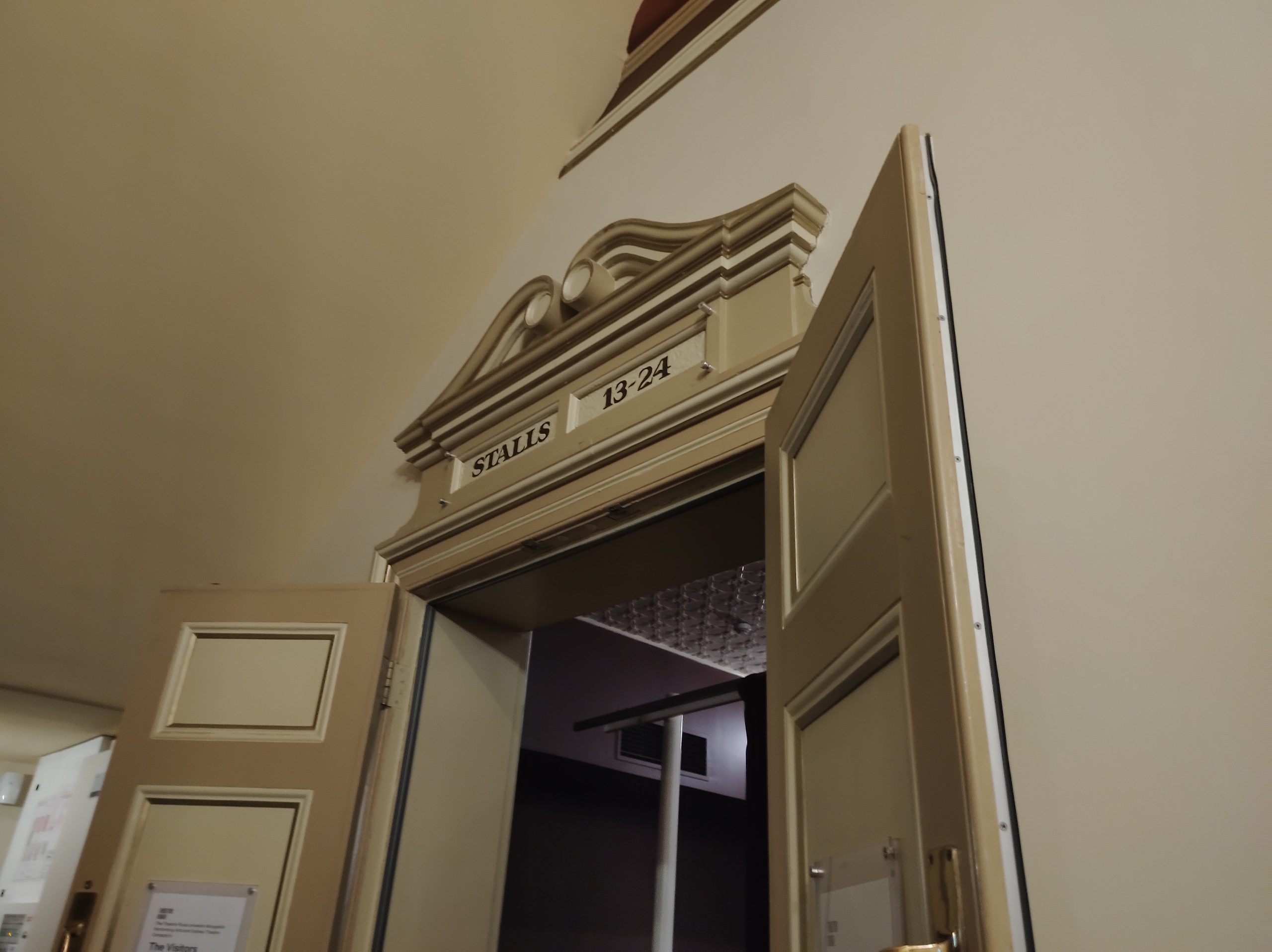
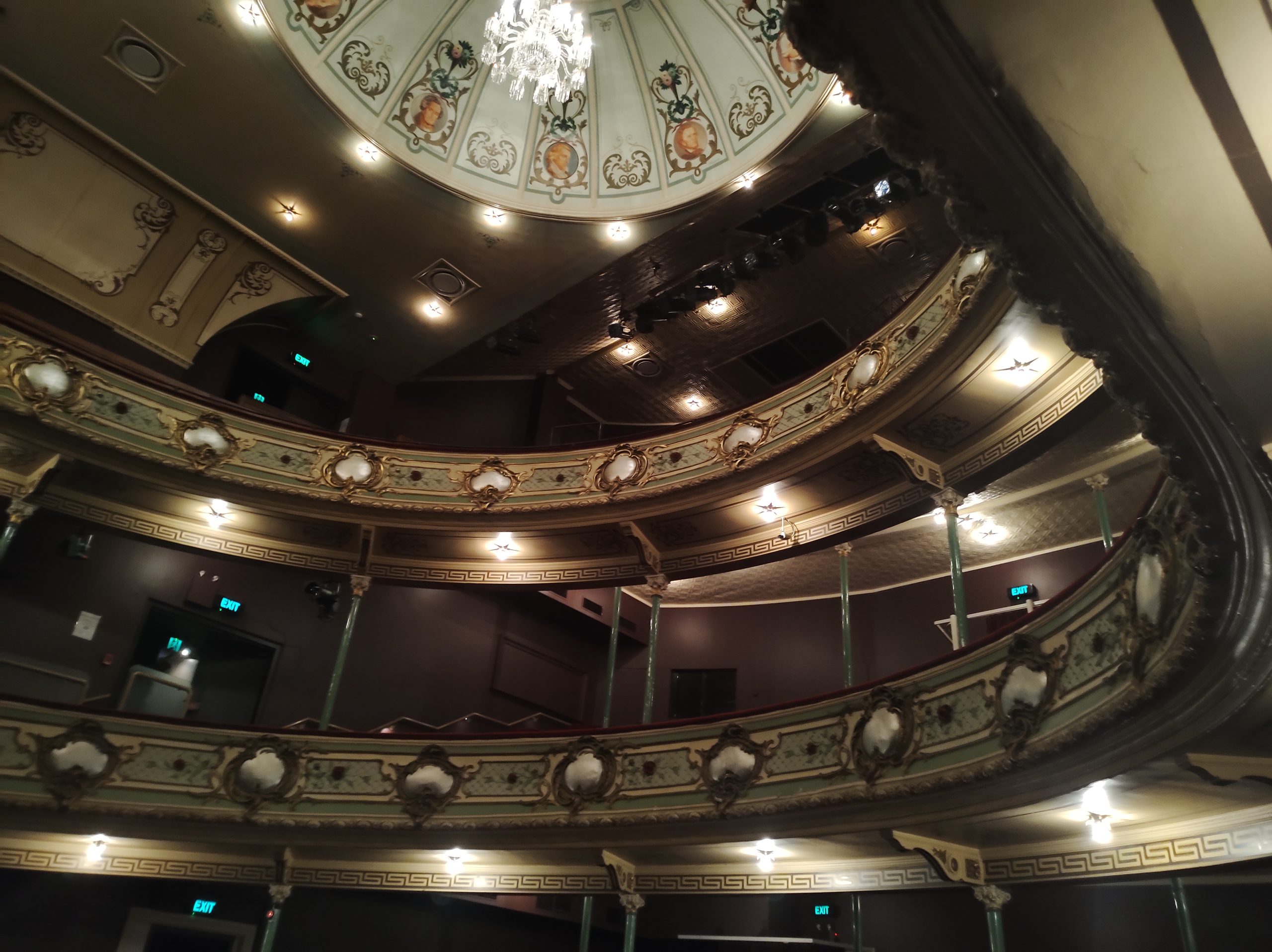
Tasmania’s performing arts scene enriches its cultural crown through theatre, music, and dance. The Theatre Royal in Hobart, Australia’s oldest working theatre, hosts diverse performances. Local companies produce plays that reflect Tasmanian stories and global themes. Music festivals highlight classical, jazz, and contemporary genres. Dance troupes bring Indigenous and modern choreography to audiences. Community theatres across the island nurture emerging talent. Performing arts venues serve as cultural meeting points. They foster dialogue between tradition and innovation. The performing arts strengthen Tasmania’s reputation as a creative hub. They ensure the cultural crown shines with artistic brilliance.
- Theatre Royal as historic performance venue
- Local theatre companies showcasing Tasmanian stories
- Music festivals spanning classical to contemporary genres
- Dance troupes blending Indigenous and modern choreography
- Community theatres nurturing emerging talent
Culinary Traditions – Flavours Of The Island
Tasmania’s culinary traditions form a distinctive jewel in its cultural crown. Fertile soils and pristine waters provide ingredients of exceptional quality. Local chefs emphasize seasonal produce, creating dishes that reflect regional identity. Seafood, including oysters and abalone, is central to Tasmanian cuisine. Dairy products, particularly cheeses, are internationally recognized. Farmers’ markets connect communities with local producers. Culinary festivals celebrate innovation and tradition side by side. Food culture strengthens Tasmania’s reputation as a destination for gourmets. Culinary traditions highlight the island’s connection between land, sea, and culture.
| Culinary Element | Significance |
|---|---|
| Seafood | Central to Tasmanian cuisine |
| Dairy & Cheese | International recognition |
| Cool-Climate Wines | Global competitiveness |
| Farmers’ Markets | Community connection |
| Culinary Festivals | Celebration of tradition and innovation |
Literature And Storytelling – Voices Of Tasmania
Tasmania’s literature and storytelling enrich its cultural crown with narratives of place and identity. Writers capture the island’s landscapes, histories, and communities. Indigenous storytelling traditions preserve ancestral knowledge. Colonial diaries and records provide insight into early settlement. Contemporary authors explore themes of isolation, resilience, and creativity. Literary festivals bring together readers and writers. Libraries and archives safeguard Tasmania history, manuscripts and oral histories. Storytelling connects generations and strengthens cultural identity. Literature ensures Tasmania’s voice is heard globally. It remains a vital strand in the island’s cultural crown.
- Indigenous storytelling preserving ancestral knowledge
- Colonial diaries offering historical insight
- Contemporary authors exploring resilience and creativity
- Literary festivals fostering dialogue
- Libraries safeguarding manuscripts and oral histories
Natural Landscapes – Inspirations Of Culture
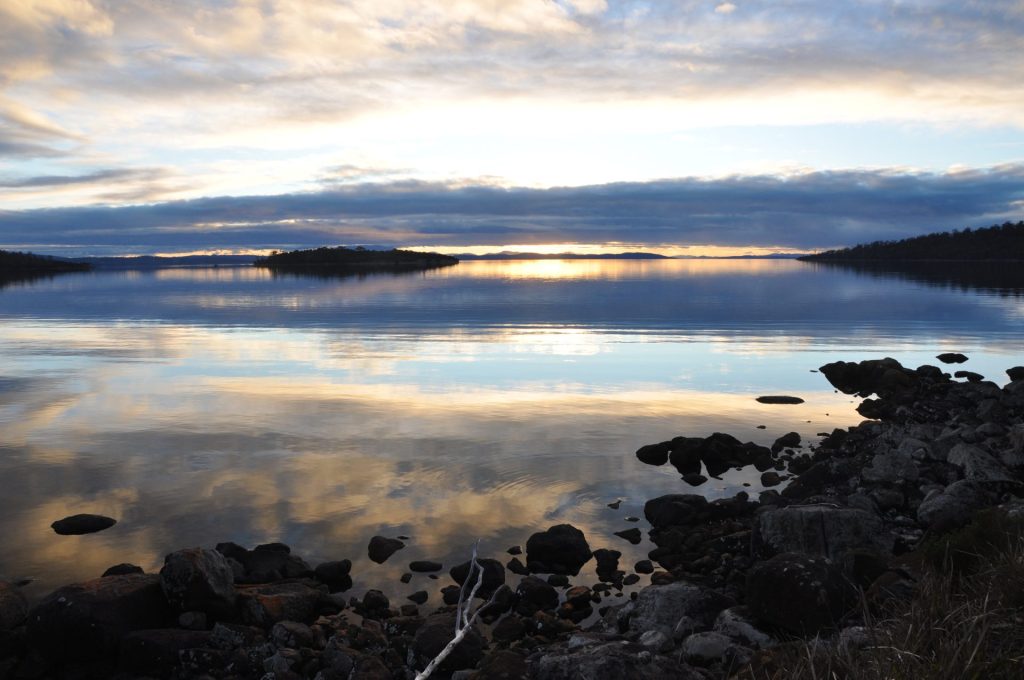
Tasmania’s natural landscapes inspire cultural expression and identity. Mountains, forests, and coastlines shape artistic creativity. Indigenous traditions emphasize spiritual connections to land and water. Painters and photographers capture the island’s dramatic scenery. Writers describe landscapes as symbols of resilience and isolation. Festivals often incorporate natural settings into performances. Conservation efforts protect landscapes for future generations. Natural heritage strengthens Tasmania’s cultural crown. It provides both inspiration and identity. Landscapes remain central to Tasmania’s cultural narrative.
| Landscape Element | Cultural Influence |
|---|---|
| Mountains & Forests | Artistic inspiration |
| Coastlines | Spiritual and creative connections |
| Indigenous Traditions | Land as cultural foundation |
| Painters & Photographers | Visual representation |
| Conservation Efforts | Preservation for future generations |
Visual Arts – Expressions Of Identity
Tasmania’s visual arts scene contributes significantly to its cultural crown, offering diverse forms of creativity. Painters, sculptors, and photographers draw inspiration from the island’s landscapes and communities. Indigenous artists highlight traditions through symbolic designs and natural materials. Contemporary artists experiment with new media, blending global influences with local themes. Art galleries across the island provide platforms for emerging Tasmania art and culture and established talent. Public art installations enrich urban spaces and connect communities. Visual arts festivals showcase innovation and collaboration. The sector strengthens Tasmania’s reputation as a creative destination. Visual arts ensure cultural identity remains dynamic and expressive. They form a vital jewel in Tasmania’s cultural crown.
| Visual Art Element | Contribution |
|---|---|
| Indigenous Art | Symbolic traditions and natural materials |
| Contemporary Art | Experimentation with global influences |
| Galleries | Platforms for talent |
| Public Installations | Community connection |
| Festivals | Innovation and collaboration |
Education And Knowledge – Foundations Of Culture
Education plays a central role in sustaining Tasmania’s cultural crown. Schools incorporate Indigenous heritage into curricula, fostering awareness among younger generations. Tasmania Universities support research into history, arts, and sustainable environmental studies. Community education programs encourage lifelong learning. Libraries provide access to cultural resources and archives. Knowledge-sharing strengthens community identity and resilience. Educational institutions collaborate with cultural organizations to promote awareness. Research projects highlight Tasmania’s unique contributions to global knowledge. Education ensures traditions are preserved and innovation thrives. It remains a cornerstone of Tasmania’s cultural crown.
- Schools incorporating Indigenous heritage into curricula
- Universities supporting research in arts and history
- Community education programs encouraging lifelong learning
- Libraries safeguarding cultural archives
- Collaboration between institutions and cultural organizations
Sporting Traditions – Community And Culture
Sporting traditions enrich Tasmania’s cultural crown by fostering community spirit. Cricket and Australian rules football are deeply embedded in local identity. Rowing and sailing reflect the island’s maritime heritage. Sporting clubs serve as social hubs across towns and cities. Events such as the Sydney to Hobart Yacht Race highlight international connections. Local competitions strengthen community bonds and pride. Sporting traditions also inspire cultural festivals and gatherings. They symbolize resilience, teamwork, and creativity. Sport remains both recreation and cultural expression. It is a vital strand in Tasmania’s cultural crown.
| Sport | Cultural Role |
|---|---|
| Cricket | Community identity |
| Australian Rules Football | Local pride |
| Rowing | Maritime heritage |
| Sailing | International connections |
| Clubs | Social hubs |
Music And Sound – Rhythms Of The Island
Music enriches Tasmania’s cultural crown with rhythms that reflect heritage and innovation. Indigenous traditions emphasize songlines and ceremonial music. Colonial influences introduced classical and folk traditions. Contemporary musicians explore genres from rock to electronic. Festivals highlight both local and international performers. Community choirs and orchestras nurture participation and creativity. Music venues provide spaces for cultural exchange. Soundscapes reflect Tasmania’s landscapes and communities. Music strengthens identity and fosters dialogue. It remains a vibrant jewel in Tasmania’s cultural crown.
- Indigenous traditions emphasizing ceremonial music
- Colonial influences introducing classical traditions
- Contemporary musicians exploring diverse genres
- Festivals showcasing performers globally
- Community choirs nurturing creativity
Craft And Design – Artisans Of Tradition
Craft and design highlight Tasmania’s cultural crown through skilled artisanship. Woodworkers use native old and new Tasmania timbers to create furniture and art. Textile artists produce garments inspired by local heritage. Pottery and ceramics reflect both functional and aesthetic traditions. Craft markets connect artisans with communities. Design innovation blends tradition with modern needs. Craftsmanship strengthens Tasmania’s reputation for quality and creativity. Artisans preserve techniques while adapting to contemporary demands. Craft and design embody resilience and cultural pride. They remain integral to Tasmania’s cultural crown.
| Craft Element | Contribution |
|---|---|
| Woodworking | Furniture and art |
| Textiles | Heritage-inspired garments |
| Pottery | Functional and aesthetic traditions |
| Markets | Community connection |
| Innovation | Blending tradition and modernity |
Film And Media – Narratives Of Tasmania
Film and media enrich Tasmania’s cultural crown by sharing stories with global audiences. Documentaries highlight landscapes, heritage, and communities. Feature films explore themes of isolation and resilience. Local filmmakers contribute to Australia’s cinematic tradition. Media outlets preserve cultural narratives and foster dialogue. Film festivals showcase creativity and innovation. Tasmania’s landscapes provide striking backdrops for productions. Media strengthens identity and global visibility. Narratives ensure Tasmania’s voice is heard internationally. Film and media remain vital jewels in Tasmania’s cultural crown.
- Documentaries highlighting heritage and landscapes
- Feature films exploring resilience and isolation
- Local filmmakers contributing to cinema
- Media outlets preserving narratives
- Film festivals showcasing creativity
Science And Innovation – Cultural Connections
Science and innovation contribute to Tasmania’s cultural crown by linking knowledge with creativity. Research institutions explore environmental sustainability and marine science. Innovation hubs support technology and design industries. Scientific achievements strengthen Tasmania’s global reputation. Collaboration between science and culture fosters awareness. Museums highlight scientific heritage alongside artistic collections. Innovation reflects resilience and adaptability. Science enriches cultural identity through discovery. It ensures Tasmania remains forward-looking and creative. Science and innovation form a dynamic strand in Tasmania’s cultural crown.
| Science Element | Contribution |
|---|---|
| Environmental Research | Sustainability focus |
| Marine Science | Global reputation |
| Innovation Hubs | Technology and design |
| Museums | Scientific heritage |
| Collaboration | Linking science and culture |
Rural Traditions – Communities Of Heritage
Rural traditions enrich Tasmania’s cultural crown through farming, crafts, and community gatherings. Agricultural practices reflect centuries of adaptation to local environments. Rural festivals celebrate harvests and community resilience. Crafts and traditions are passed down through generations. Rural communities preserve heritage while embracing innovation. Local markets connect producers with consumers. Rural traditions strengthen identity and pride. They highlight Tasmania’s diversity beyond urban centers. Rural heritage remains central to cultural expression. It is a vital jewel in Tasmania’s cultural crown.
- Agricultural practices reflecting adaptation
- Rural festivals celebrating harvests
- Crafts passed through generations
- Markets connecting producers and consumers
- Communities preserving heritage and innovation
Tourism And Culture – Sharing The Crown
Tourism plays a vital role in showcasing Tasmania’s cultural crown. Visitors experience heritage sites, festivals, and natural landscapes. Tourism strengthens economic resilience and cultural visibility. Local communities benefit from cultural exchange. Museums and galleries attract international audiences. Culinary tourism highlights local produce and traditions. Festivals draw visitors from across the globe. Tourism fosters dialogue between cultures. It ensures Tasmania’s crown is shared widely. Tourism remains a dynamic strand in Tasmania’s cultural crown.
| Tourism Element | Contribution |
|---|---|
| Heritage Sites | Cultural visibility |
| Festivals | Global attraction |
| Culinary Tourism | Highlighting local produce |
| Museums & Galleries | International audiences |
| Cultural Exchange | Strengthening communities |
Architecture Of Innovation – Blending Past And Present
Tasmania’s architecture reflects both heritage and modern innovation, forming a vital strand of its cultural crown. Historic sandstone buildings stand alongside contemporary designs that emphasize sustainability and creativity. Urban centers such as Hobart and Launceston showcase this blend of old and new. Heritage preservation ensures colonial structures remain intact while modern projects highlight forward-looking design. Public buildings, museums, and galleries embody this architectural dialogue. Sustainable housing projects reflect Tasmania’s environmental consciousness. Architecture strengthens identity by linking tradition with innovation. It provides both aesthetic and functional contributions to cultural life. Architecture remains a dynamic jewel in Tasmania’s cultural crown.
| Architectural Element | Contribution |
|---|---|
| Historic Sandstone | Colonial heritage |
| Contemporary Design | Sustainability and creativity |
| Urban Centers | Blend of old and new |
| Public Buildings | Cultural dialogue |
| Sustainable Housing | Environmental consciousness |
Environmental Stewardship – Culture Of Sustainability
Environmental stewardship enriches Tasmania’s cultural crown by linking heritage with sustainability. Conservation efforts protect national parks and reserves. Indigenous traditions emphasize respect for land and water. Communities engage in sustainable farming and fishing practices. Renewable energy projects highlight innovation and resilience. Environmental festivals raise awareness and celebrate natural heritage. Stewardship strengthens Tasmania’s reputation as a leader in sustainability. It ensures cultural identity remains connected to nature. Environmental consciousness inspires creativity and community pride. Stewardship remains a vital jewel in Tasmania’s cultural crown.
- Conservation efforts protecting national parks
- Indigenous traditions emphasizing respect for land
- Sustainable farming and fishing practices
- Renewable energy projects highlighting resilience
- Environmental festivals raising awareness
Urban Culture – Cities Of Creativity
Tasmania’s urban culture contributes to its cultural crown through vibrant city life. Hobart’s waterfront blends heritage warehouses with modern cultural venues. Launceston showcases historic streets alongside contemporary art spaces. Urban festivals highlight music, food, and creativity. Public art installations enrich city landscapes. Cafes and restaurants reflect culinary traditions and innovation. Urban centers serve as hubs of cultural exchange. They connect communities and attract visitors. Urban culture strengthens Tasmania’s identity as a creative destination. It remains a dynamic jewel in Tasmania’s cultural crown.
| Urban Element | Contribution |
|---|---|
| Hobart Waterfront | Blend of heritage and modernity |
| Launceston Streets | Historic and contemporary spaces |
| Festivals | Music, food, creativity |
| Public Art | Enriching landscapes |
| Culinary Venues | Tradition and innovation |
Heritage Sites – Preserving The Past
Heritage sites form a cornerstone of Tasmania’s cultural crown. Port Arthur reflects the island’s convict history. Richmond Bridge stands as Australia’s oldest stone span. Historic towns preserve colonial architecture and community traditions. Museums highlight artifacts from Indigenous and colonial eras. Heritage trails connect visitors with cultural narratives. Preservation ensures future generations access these treasures. Heritage sites strengthen identity and pride. They attract visitors and foster awareness. Heritage remains a vital jewel in Tasmania’s cultural crown.
- Port Arthur reflecting convict history
- Richmond Bridge as oldest stone span
- Historic towns preserving colonial architecture
- Museums safeguarding artifacts
- Heritage trails connecting cultural narratives
Global Connections – Sharing Tasmania’s Crown
Global connections enrich Tasmania’s cultural crown by linking local traditions with international audiences. Festivals attract visitors from across the world. Culinary exports showcase Tasmanian produce globally. Artists collaborate with international peers. Tourism strengthens cultural visibility and dialogue. Academic exchanges highlight Tasmania’s contributions to global knowledge. Global connections ensure cultural identity remains dynamic. They foster resilience and creativity. Tasmania’s crown shines beyond its borders. Global connections remain a vital jewel in Tasmania’s cultural crown.
| Global Element | Contribution |
|---|---|
| Festivals | International visitors |
| Culinary Exports | Global recognition |
| Artistic Collaboration | Creative exchange |
| Tourism | Cultural visibility |
| Academic Exchanges | Global knowledge |
Final Conclusion – The Enduring Crown Of Tasmania
Tasmania’s cultural crown is a living mosaic of heritage, creativity, and resilience. It encompasses Indigenous traditions, colonial architecture, festivals, museums, and global connections. Each strand contributes to a dynamic identity that evolves with time. The crown reflects both history and innovation. It strengthens community pride and attracts international recognition. Tasmania demonstrates how culture can unite past and present. Its crown shines through diversity and creativity. The island’s cultural richness remains a beacon of inspiration. Tasmania’s cultural crown endures as a symbol of heritage and innovation. It will continue to inspire generations to come.
Join The Discussion – Share Your Insights
Tasmania’s cultural crown invites dialogue and reflection. Readers are encouraged to share insights on heritage, creativity, and sustainability. How do traditions and innovations shape cultural identity. Which aspects of Tasmania’s crown resonate most strongly. By joining the discussion, you contribute to cultural awareness. Your perspectives enrich understanding and highlight diversity. Dialogue ensures Tasmania’s crown remains vibrant.
#TasmaniaCulture #CulturalCrown #HeritageAndInnovation #TasmaniaCreativity #IslandIdentity



Leave a Reply