
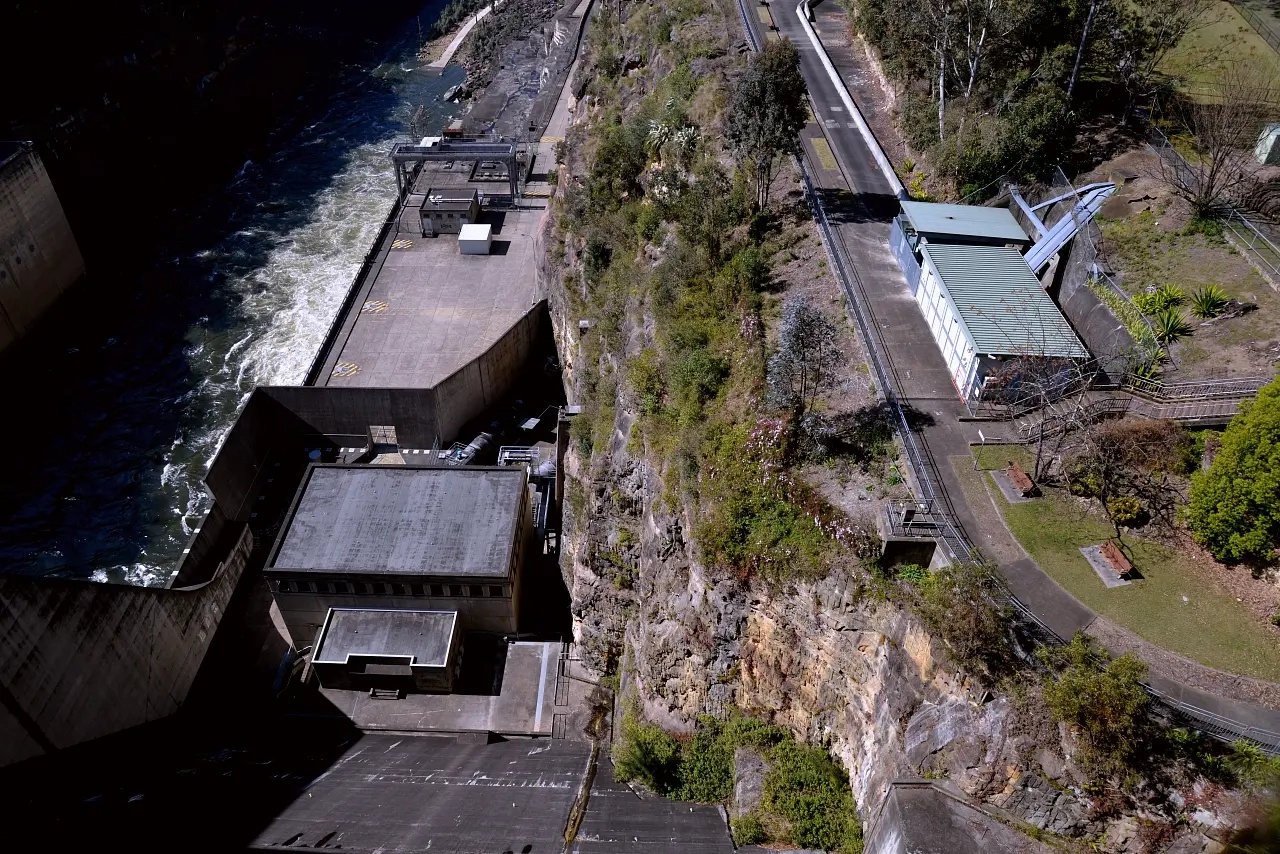
Warragamba Dam’s 65th anniversary- A Monument of Water and Will
Warragamba Dam’s 65th anniversary
A Legacy of Water Security – Celebrating Warragamba Dam’s 65th anniversary
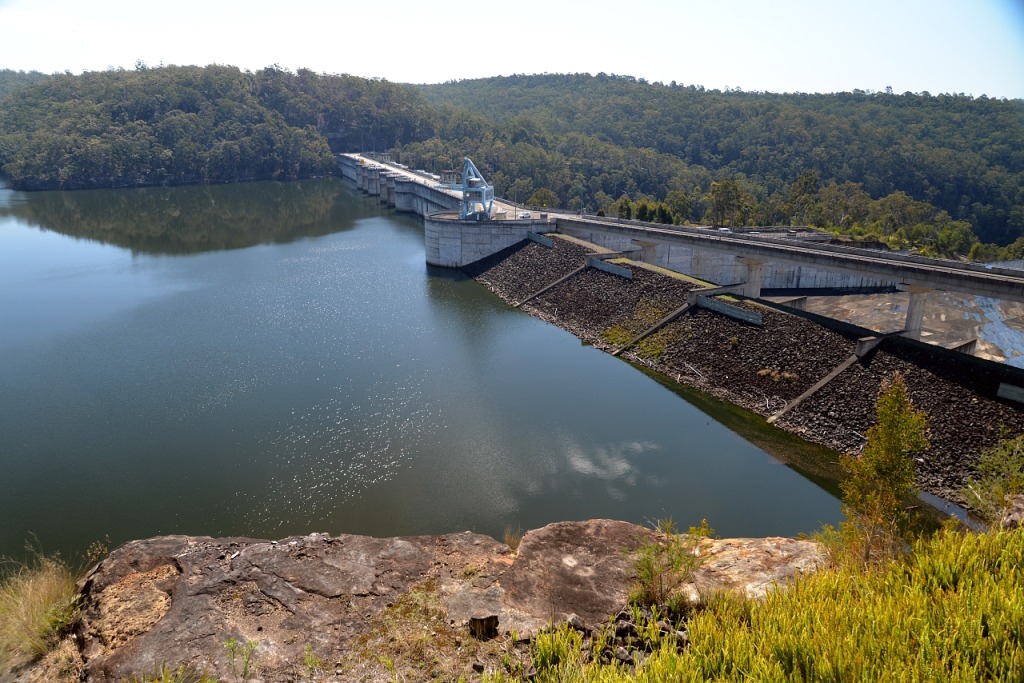
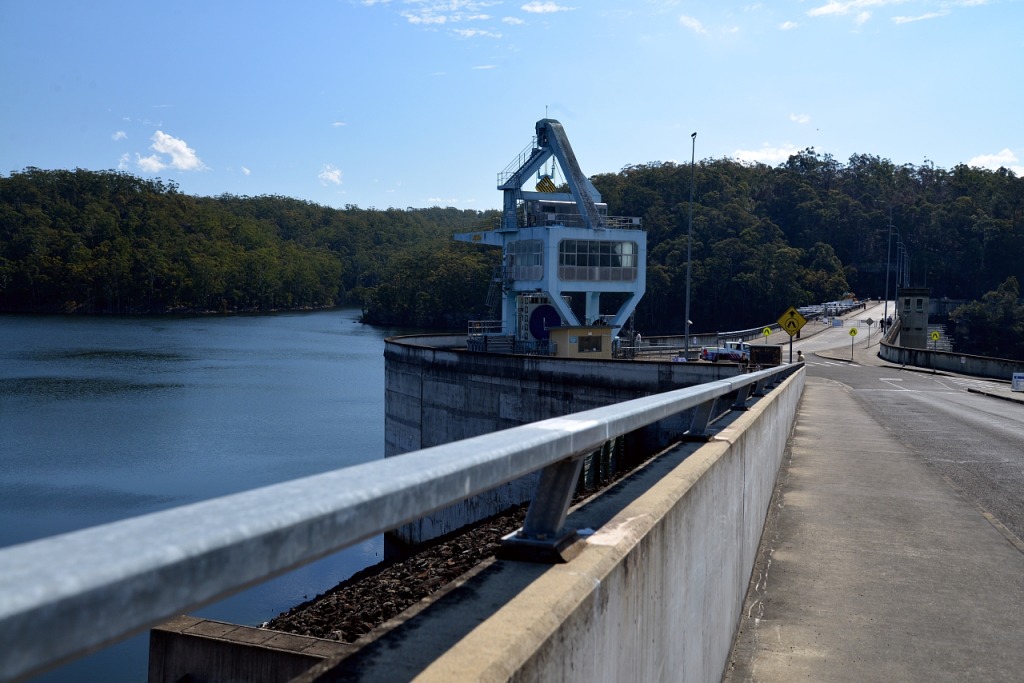
Warragamba Dam’s 65th anniversary in 2025, standing as one of Australia’s most significant engineering achievements. Located in New South Wales, this dam has been the backbone of Sydney’s water supply since its official opening on 14 October 1960. Built across the Warragamba River, it created Lake Burragorang, one of the largest reservoirs in the Southern Hemisphere. The dam was constructed to address Sydney’s growing water needs after World War II. Its completion symbolised a new era of infrastructure resilience and urban planning. The dam’s gravity design was revolutionary for its time. It spans 351 metres in length and rises 142 metres high. The base is 104 metres thick, supporting a massive volume of 3 million tonnes of concrete. The reservoir holds over 2,000 gigalitres of water. This capacity secures water for over five million residents. The dam’s catchment area covers more than 9,000 square kilometres. It has withstood floods, droughts, and population booms. The 65th anniversary is a moment to reflect on its enduring role. It also invites a renewed conversation about water sustainability. The milestone is being marked with community events and educational programs. These celebrations honour the past while looking to the future.
NSW Water & Sydney Water
Warragamba Dam – Key Specifications
| Feature | Measurement/Detail |
|---|---|
| Location | Warragamba River, NSW |
| Opening Date | 14 October 1960 |
| Dam Type | Concrete gravity dam |
| Height | 142 metres |
| Length | 351 metres |
| Base Thickness | 104 metres |
| Reservoir Capacity | Over 2,000 gigalitres |
| Catchment Area | 9,000+ square kilometres |
| Reservoir Name | Lake Burragorang |
| Primary Purpose | Sydney’s water supply |
| Population Served | Over 5 million |
| Construction Material | 3 million tonnes of concrete |
| Spillway Gates | 5 crest gates, 1 drum gate |
| Managing Authority | WaterNSW |
| Anniversary Year | 2025 |
The Post-War Vision – Why Warragamba Was Built
The idea for Warragamba Dam emerged from Sydney’s post-war expansion. Rapid population growth and industrial development placed immense pressure on existing water supplies. Earlier dams like Cataract and Avon were no longer sufficient. Engineers and planners recognised the need for a larger, more reliable source. The Warragamba River, flowing through a deep gorge, offered the ideal site. Planning began in the 1940s, with construction starting in 1948. The project was ambitious, requiring new roads, quarries, and worker camps. Thousands of workers, many of them migrants, contributed to the build. The dam was designed to last a century or more. Its construction was a feat of logistics and labour. The project also included the relocation of communities and the flooding of the Burragorang Valley. This valley had been home to farms and settlements. The decision to flood it was controversial but deemed necessary. The dam’s completion in 1960 was celebrated as a national achievement. It represented a turning point in Australia’s approach to water management.
Timeline – Warragamba Dam Development
| Year | Milestone |
|---|---|
| 1940s | Planning initiated |
| 1948 | Construction began |
| 1950–1959 | Major structural works completed |
| 1960 | Official opening on 14 October |
| 1960s–1980s | Operational refinements and catchment expansion |
| 1990s | Environmental protections introduced |
| 2000s | Upgrades to spillway and flood mitigation |
| 2020s | Sustainability reviews and anniversary events |
Engineering Marvel – How the Dam Was Built
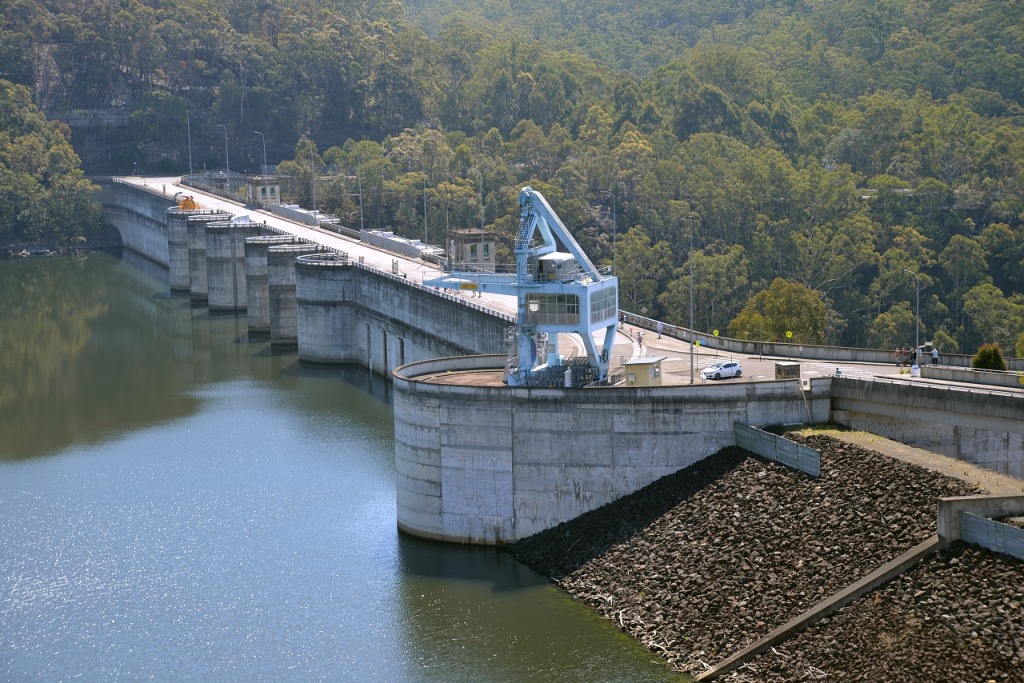
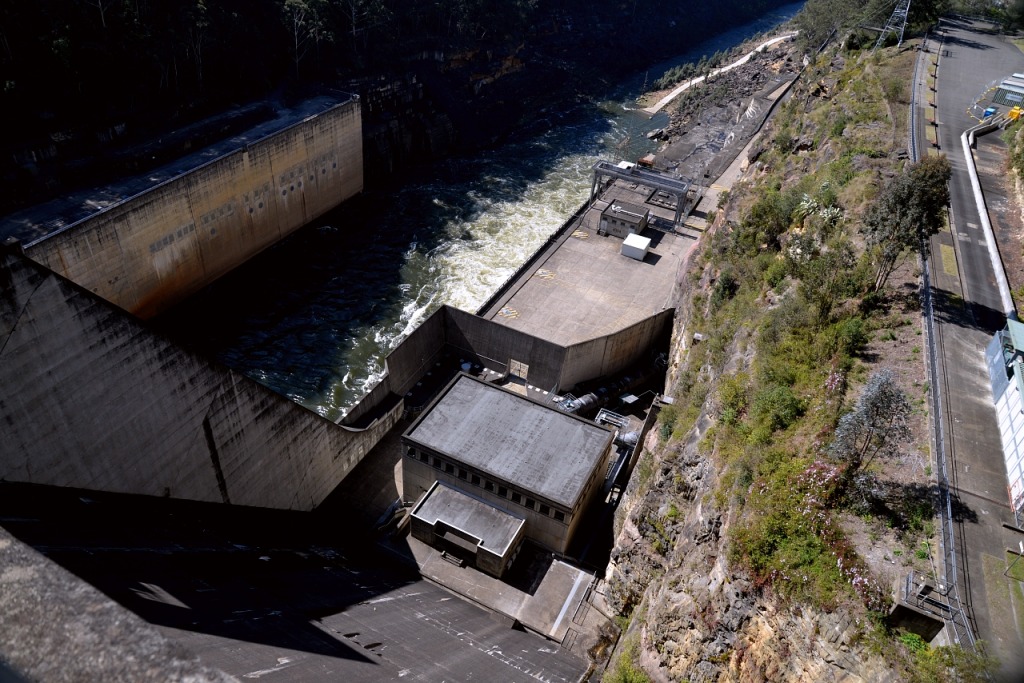
Warragamba Dam’s construction pushed the boundaries of mid-20th-century engineering. The site’s remote location required the development of extensive infrastructure. Roads, bridges, and a dedicated railway line were built to transport materials. The dam’s gravity design meant it relied on its own weight to hold back water. Engineers used over 3 million tonnes of concrete in its construction. The concrete was poured in massive blocks, each carefully cured to prevent cracking. A unique cooling system was used to manage the heat generated during curing. The dam wall includes five crest gates and a central drum gate. These allow for controlled water release during floods. The spillway system was designed to handle extreme rainfall events. Workers faced harsh conditions, including heat, dust, and isolation. Safety standards were evolving, and accidents were not uncommon. The dam’s structural integrity has stood the test of time. It remains a benchmark for dam construction in Australia. Its success paved the way for future water infrastructure projects.
Construction Features – Warragamba Dam
| Component | Detail |
|---|---|
| Dam Type | Concrete gravity |
| Concrete Volume | Over 3 million tonnes |
| Cooling System | Embedded pipe network for thermal control |
| Spillway Gates | 5 crest gates, 1 drum gate |
| Construction Period | 1948–1960 |
| Transport Infrastructure | Roads, bridges, railway line |
| Worker Camps | Built onsite for thousands of labourers |
| Safety Measures | Evolving standards during mid-century |
| Engineering Legacy | Benchmark for Australian dam design |
Lake Burragorang – The Reservoir Behind the Wall
Lake Burragorang is the vast reservoir formed by the construction of Warragamba Dam. It stretches over 52 kilometres in length and covers an area of 75 square kilometres. The lake holds more than four times the volume of Sydney Harbour. It is the primary drinking water source for Greater Sydney. The reservoir is fed by rainfall across a massive catchment area. This catchment spans over 9,000 square kilometres of bushland and escarpment. The lake is surrounded by protected zones to maintain water quality. Public access is restricted to prevent contamination. The ecosystem around the lake supports native flora and fauna. It also plays a role in flood mitigation and drought resilience. During dry periods, water levels can drop significantly. In wet years, the dam’s spillway system manages overflow. The lake is monitored continuously by WaterNSW. It is a critical part of Sydney’s long-term water strategy. Its scale and importance make it a national asset.
Lake Burragorang – Reservoir Profile
| Attribute | Detail |
|---|---|
| Length | 52 kilometres |
| Surface Area | 75 square kilometres |
| Storage Capacity | Over 2,000 gigalitres |
| Catchment Area | 9,000+ square kilometres |
| Water Source | Rainfall and tributary inflows |
| Primary Use | Sydney’s drinking water supply |
| Public Access | Restricted |
| Environmental Status | Protected catchment |
| Management Authority | WaterNSW |
| Ecological Role | Habitat, flood control, water storage |
Environmental Impact – The Flooded Valley
The creation of Warragamba Dam came at a significant environmental and social cost. The Burragorang Valley, once home to farming communities, was submerged. Entire townships, including Megalong and Burragorang, were lost beneath the rising waters. Families were relocated and properties were resumed. The valley had rich Indigenous and settler histories. Its fertile land supported orchards, dairies, and homesteads. The flooding erased physical traces of this heritage. Some buildings were dismantled and moved before inundation. Others were left behind and now lie underwater. The environmental impact included the loss of native habitats. River ecosystems were altered permanently. The dam changed the flow and temperature of downstream rivers. This affected aquatic species and riparian vegetation. Over time, environmental protections were introduced. Today, the catchment is managed with strict conservation protocols. The anniversary is a time to reflect on both gains and losses.
Burragorang Valley – Before and After
| Feature | Before Dam (Pre-1960) | After Dam (Post-1960) |
|---|---|---|
| Land Use | Farming, settlements | Submerged under reservoir |
| Population | Several hundred residents | Relocated |
| Indigenous Heritage | Rich cultural sites | Many lost or inaccessible |
| Biodiversity | Diverse ecosystems | Altered by inundation |
| Access | Open to public | Restricted for water quality |
Water for a Growing City – Sydney’s Lifeline
Warragamba Dam has been central to Sydney’s growth and prosperity. As the city expanded, so did its demand for clean, reliable water. The dam has consistently met this need for over six decades. It supplies about 80 percent of Sydney’s drinking water. The water is treated at nearby filtration plants before distribution. The system supports households, businesses, and industries. It also underpins public health and sanitation. During droughts, the dam’s levels become a public concern. Water restrictions are introduced to manage consumption. In wet years, the dam can reach full capacity and spill. The balance between supply and demand is carefully managed. Climate variability adds complexity to this task. Population growth continues to increase pressure on the system. The dam’s role remains as vital today as it was in 1960. Its reliability is a cornerstone of urban resilience.
Warragamba’s Role in Sydney’s Water Supply
| Metric | Value/Detail |
|---|---|
| Share of Sydney’s Supply | Approximately 80 percent |
| Population Served | Over 5 million |
| Treatment Facilities | Prospect, Orchard Hills, others |
| Daily Water Demand | ~1.5 billion litres |
| Drought Management | Water restrictions, desalination |
| Overflow Events | Managed via spillway system |
| Climate Impact | Increased variability in inflows |
| Long-Term Planning | Integrated with desalination, reuse |
Flood Management – Protecting Sydney from Extremes
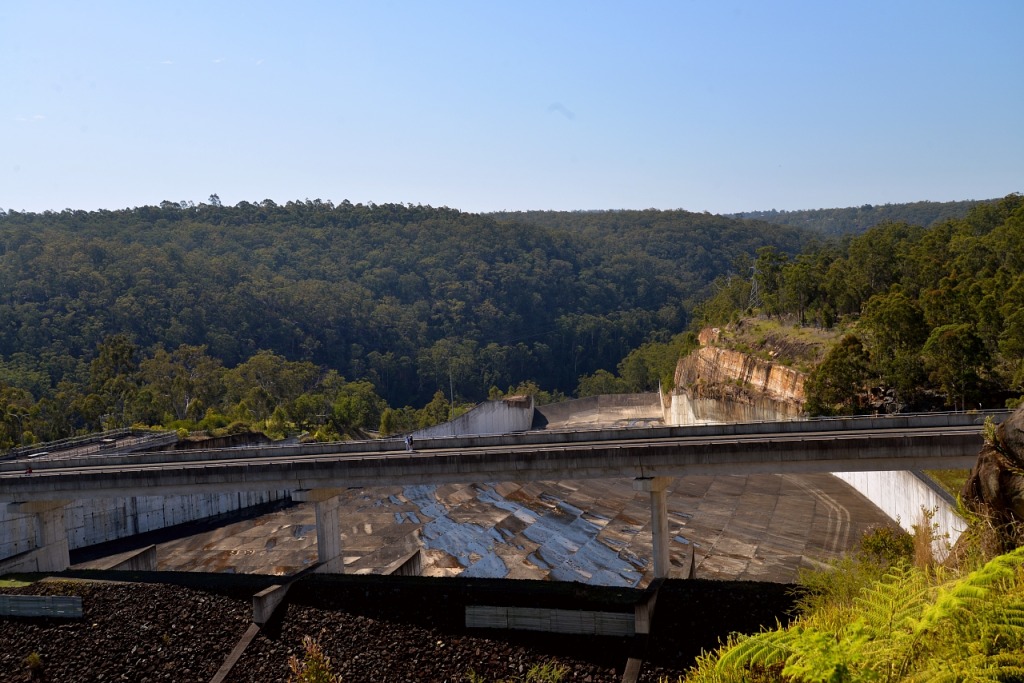
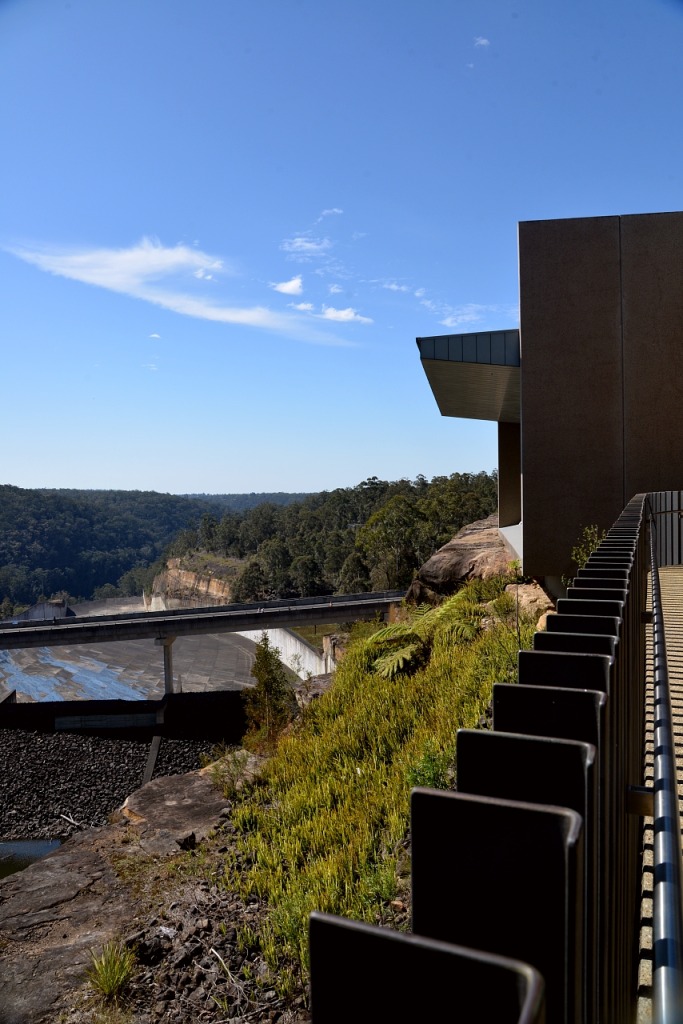
Warragamba Dam plays a critical role in flood mitigation across the Hawkesbury-Nepean Valley. Its spillway system is designed to release excess water safely during heavy rainfall. The dam’s crest gates and central drum gate regulate these flows. Controlled releases prevent downstream flooding in populated areas. However, the valley’s geography makes flood risk complex. The dam cannot prevent all flooding, especially in extreme events. Historical floods have tested the system’s capacity. In recent years, climate change has increased rainfall variability. This has led to calls for upgrades to the dam’s flood mitigation capabilities. Proposals include raising the dam wall to reduce flood peaks. The idea has sparked environmental and cultural debates. Critics argue it could impact Indigenous heritage and ecosystems. Supporters cite the need to protect lives and property. The anniversary highlights the importance of balancing safety and sustainability. Flood management remains a central challenge for the dam’s future.
Flood Management Features – Warragamba Dam
| Component | Function/Detail |
|---|---|
| Spillway System | Releases excess water during rainfall |
| Crest Gates | Five gates for controlled discharge |
| Drum Gate | Central gate for flood regulation |
| Flood Risk Area | Hawkesbury-Nepean Valley |
| Proposed Wall Raising | 14 metres (under review) |
| Climate Impact | Increased rainfall variability |
| Historical Floods | 1978, 1986, 2021 |
| Emergency Protocols | Managed by WaterNSW and SES |
Upgrades and Maintenance – Keeping the Dam Strong
Over its 65-year lifespan, Warragamba Dam has undergone multiple upgrades. These works ensure the dam remains safe, efficient, and compliant with modern standards. Structural assessments are conducted regularly. Maintenance includes concrete repairs, gate servicing, and spillway inspections. In the 1990s, the dam’s spillway was expanded. This improved its ability to handle major flood events. In the 2000s, seismic upgrades were added. These reinforced the dam against potential earthquakes. Monitoring systems track water levels and structural integrity. Remote sensors and automated controls enhance safety. The dam is also subject to environmental audits. These ensure compliance with catchment protection laws. Maintenance is funded through state infrastructure budgets. The dam’s longevity depends on proactive stewardship. Its continued performance reflects decades of engineering care. The anniversary is a reminder of the importance of ongoing investment.
Warragamba Dam – Upgrade Timeline
| Period | Upgrade Type |
|---|---|
| 1990s | Spillway expansion |
| 2000s | Seismic reinforcement |
| 2010s | Remote monitoring systems |
| 2020s | Environmental compliance reviews |
| Ongoing | Gate servicing, concrete repairs |
Cultural Significance – A Site of Memory and Meaning
Warragamba Dam holds deep cultural significance for many communities. For Indigenous groups, the Burragorang Valley was a place of ancestral connection. The flooding of the valley submerged sacred sites and traditional lands. This loss continues to resonate across generations. The dam also symbolises post-war migration and labour. Thousands of workers, many from Europe, built the dam. Their stories are part of Australia’s multicultural heritage. The site has inspired artists, writers, and historians. It features in school curricula and public exhibitions. The dam’s architecture is admired for its scale and symmetry. Community events often include storytelling and remembrance. The anniversary invites reflection on both pride and pain. It is a moment to honour diverse histories. Cultural sensitivity is essential in future planning. The dam is more than infrastructure—it is a living archive.
Cultural Layers – Warragamba Dam
| Community/Aspect | Significance |
|---|---|
| Indigenous Heritage | Sacred sites submerged |
| Migrant Labour | Thousands of post-war workers |
| Artistic Influence | Featured in visual and literary works |
| Educational Role | Included in NSW school programs |
| Public Memory | Site of community events and reflection |
Environmental Stewardship – Protecting the Catchment
The catchment surrounding Warragamba Dam is one of the most protected in Australia. It spans rugged bushland, escarpments, and river systems. Strict access controls preserve water quality. Human activity is limited to essential operations. The area supports diverse ecosystems. Native species include wallabies, lyrebirds, and platypus. Vegetation includes eucalyptus forests and sandstone heath. Environmental monitoring is continuous. WaterNSW enforces catchment protection laws. Fire management and pest control are part of stewardship. The catchment is also a carbon sink. It contributes to climate resilience and biodiversity. Educational programs promote ecological awareness. The anniversary highlights the value of conservation. The dam’s future depends on healthy surroundings.
Catchment Profile – Warragamba Region
| Attribute | Detail |
|---|---|
| Area Size | Over 9,000 square kilometres |
| Access Policy | Restricted to protect water quality |
| Native Fauna | Wallabies, lyrebirds, platypus |
| Vegetation | Eucalyptus, heath, escarpment flora |
| Management Authority | WaterNSW |
| Conservation Role | Biodiversity, carbon sink |
Future Challenges – Planning for the Next 65 Years
As Warragamba Dam enters its seventh decade, future challenges loom large. Climate change is altering rainfall patterns and inflow reliability. Population growth increases water demand. Urban expansion pressures catchment boundaries. Debates over flood mitigation and wall raising continue. Technological upgrades are needed to maintain safety. Environmental and cultural concerns must be balanced. Water recycling and desalination are part of the broader strategy. The dam’s role may evolve within a diversified supply system. Community engagement is essential for future decisions. Transparency and consultation build public trust. Research into sustainable water models is ongoing. The dam must adapt to changing conditions. Its legacy depends on proactive planning. The anniversary is a call to action. The next 65 years begin now.
Future Outlook – Warragamba Dam
| Challenge/Trend | Implication |
|---|---|
| Climate Change | Rainfall variability, flood risk |
| Population Growth | Increased water demand |
| Urban Expansion | Catchment pressure |
| Infrastructure Needs | Upgrades and monitoring |
| Cultural Sensitivity | Heritage protection |
| Diversified Supply | Recycling, desalination integration |
Governance and Oversight – Who Manages the Dam
Warragamba Dam is managed by WaterNSW, a statutory authority of the New South Wales Government. This agency oversees dam operations, water quality, infrastructure maintenance, and environmental compliance. Governance includes coordination with emergency services and local councils. Decisions about upgrades and flood mitigation involve multiple stakeholders. The NSW Department of Planning and Environment plays a regulatory role. Indigenous groups are increasingly consulted on cultural impacts. Environmental scientists contribute data and risk assessments. Public accountability is maintained through annual reports. WaterNSW also engages with community groups and schools. The governance model balances technical, ecological, and social priorities. Funding comes from state infrastructure budgets and water usage fees. Strategic planning is guided by long-term water security frameworks. Transparency is essential in managing public trust. The anniversary highlights the importance of inclusive governance. Future decisions will require even broader collaboration.
Governance Structure – Warragamba Dam
| Entity/Role | Responsibility |
|---|---|
| WaterNSW | Operations, maintenance, water quality |
| NSW Government | Funding, regulation, strategic planning |
| Department of Planning | Environmental approvals and oversight |
| Indigenous Representatives | Cultural consultation and heritage input |
| Emergency Services | Flood response coordination |
| Community Groups | Public engagement and feedback |
Public Engagement – Connecting with Communities
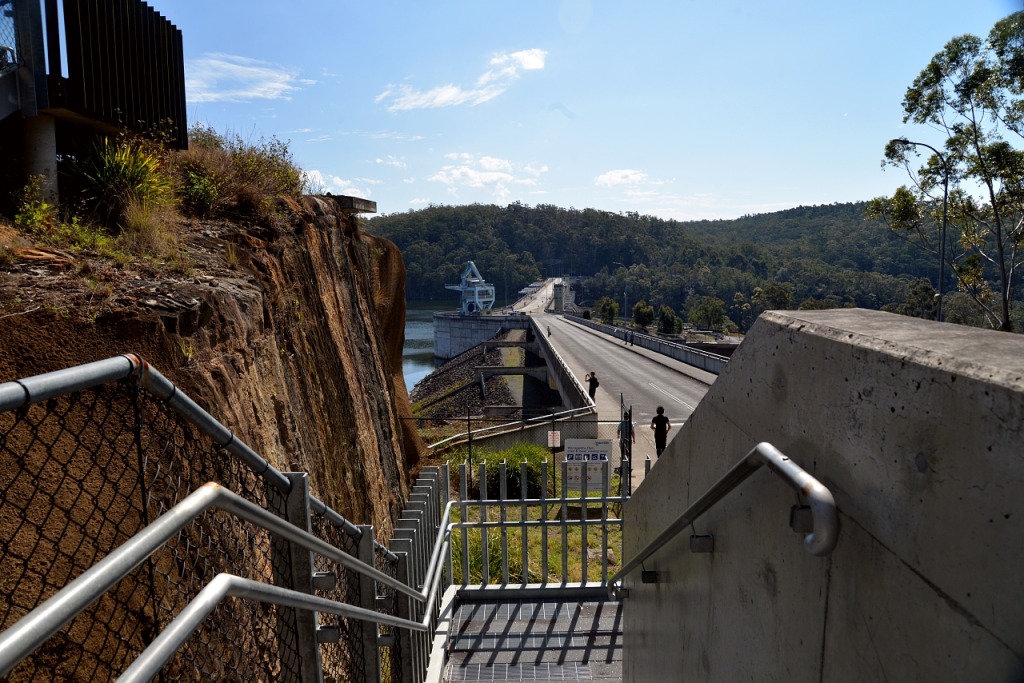
Public engagement around Warragamba Dam has evolved over time. Initially, the dam was seen as a symbol of progress and engineering pride. Over the decades, community concerns have grown around environmental and cultural impacts. WaterNSW runs educational tours and visitor programs. Interpretive signage explains the dam’s history and function. Local schools include the dam in geography and science curricula. Community forums are held during major planning reviews.
Public submissions influence decisions on upgrades and flood mitigation. Media coverage shapes public perception and debate. The anniversary has sparked renewed interest in the dam’s legacy. Events include exhibitions, talks, and guided walks. Engagement also occurs online through digital archives and social media. Transparency and dialogue are key to building trust. The dam is part of Sydney’s collective memory. Public voices help shape its future. Engagement is not just consultation—it is co-creation.
Public Engagement Channels – Warragamba Dam
| Channel/Method | Purpose |
|---|---|
| Educational Tours | Inform visitors and students |
| Interpretive Signage | Explain dam history and function |
| Community Forums | Gather feedback on planning decisions |
| School Programs | Integrate into curriculum |
| Media Coverage | Raise awareness and debate |
| Online Archives | Share historical and technical data |
Educational Legacy – Teaching Through Infrastructure
Warragamba Dam is a powerful educational tool. It teaches lessons in engineering, ecology, history, and civic planning. Schools across New South Wales use it as a case study. Students learn about water cycles, dam design, and environmental stewardship. The dam’s construction is part of post-war migration history. Its role in flood management introduces risk analysis. The catchment offers examples of biodiversity and conservation. Educational materials include maps, diagrams, and historical photos. WaterNSW collaborates with educators to develop resources. University researchers study the dam’s hydrology and governance.
The site is used for field trips and data collection. The anniversary has prompted new educational initiatives. These include digital storytelling and interactive exhibits. Teaching through infrastructure builds civic awareness. The dam becomes a classroom without walls. Its legacy is not just physical—it is intellectual.
Educational Themes – Warragamba Dam
| Subject Area | Learning Focus |
|---|---|
| Engineering | Gravity dam design and construction |
| Environmental Science | Catchment ecology and water quality |
| History | Post-war migration and settlement |
| Geography | Water cycles and land use |
| Civics | Governance and public infrastructure |
| Risk Management | Flood mitigation and planning |
Infrastructure Interdependence – Linking Systems Across Sydney
Warragamba Dam is not an isolated structure—it is part of a vast water infrastructure network. Its output connects to treatment plants, pipelines, reservoirs, and urban distribution systems. The Prospect Water Filtration Plant is one of the largest recipients of dam water. From there, treated water flows through hundreds of kilometres of underground mains. These systems serve homes, schools, hospitals, and industries. The dam’s performance affects the entire metropolitan water grid. Maintenance at Warragamba must be coordinated with downstream operations. Scheduled releases are timed to match treatment capacity. Emergency protocols link the dam to regional response systems. Infrastructure interdependence ensures water quality and supply continuity. The dam also supports firefighting and emergency services. Its water is used during bushfire seasons for aerial suppression. The network includes backup systems like desalination and recycled water. Warragamba remains the anchor of this complex web. Its reliability supports Sydney’s resilience.
Infrastructure Network – Warragamba Connections
| Component | Role/Connection |
|---|---|
| Prospect Filtration Plant | Primary treatment facility |
| Urban Mains | Distribution of treated water |
| Emergency Services | Firefighting and disaster response |
| Desalination Plant | Backup during drought |
| Recycled Water Systems | Supplementary supply |
| Coordination Protocols | Timed releases and maintenance schedules |
Political Debates – The Dam in Public Policy
Warragamba Dam has long been a subject of political debate. Its role in flood mitigation has sparked proposals to raise the dam wall. This idea has divided policymakers, environmentalists, and community leaders. Supporters argue it would protect thousands of homes from flooding. Opponents warn of damage to Indigenous heritage and ecosystems. The proposal has been reviewed by planning authorities and parliamentary committees. Environmental impact assessments have been contested. Cultural heritage studies have added complexity. The dam’s governance intersects with state and federal jurisdictions. Political parties have taken differing positions over time. Media coverage influences public opinion and legislative momentum. The anniversary has reignited these debates. It is a moment to revisit long-standing tensions. Policy decisions must balance safety, heritage, and ecology. The dam is a case study in infrastructure politics. Its future will reflect broader values and priorities.
Policy Debate – Raising the Dam Wall
| Argument Type | Position/Concern |
|---|---|
| Flood Protection | Supports wall raising |
| Heritage Preservation | Opposes wall raising |
| Environmental Impact | Warns of ecosystem disruption |
| Cultural Sensitivity | Highlights Indigenous site loss |
| Political Jurisdiction | State-led with federal oversight |
| Public Opinion | Mixed views across regions |
Tourism and Access – Visiting the Dam
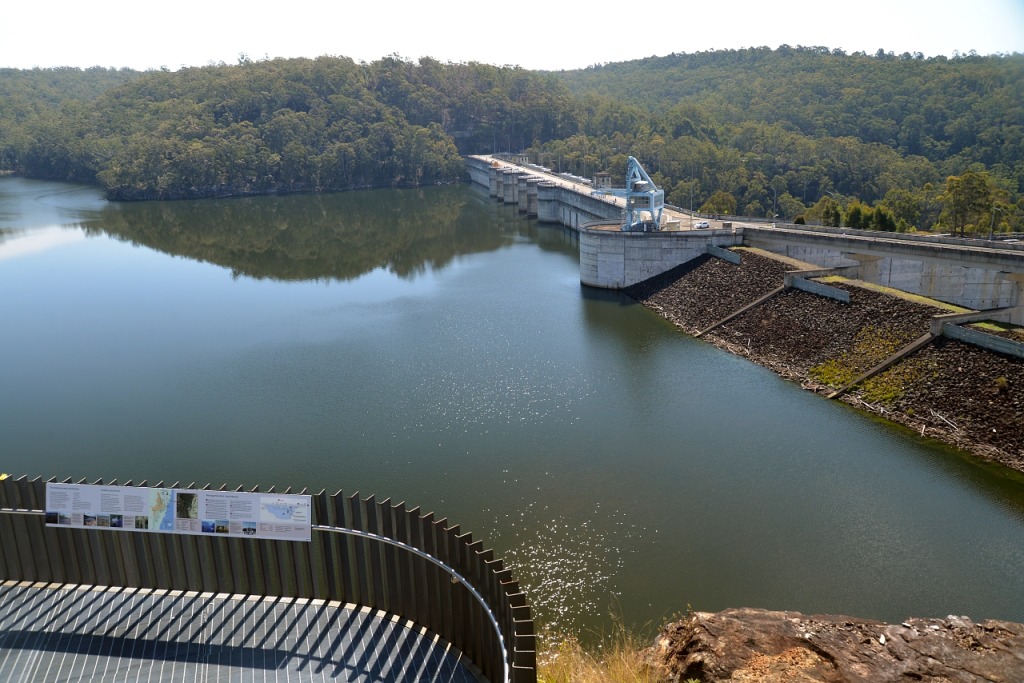
Warragamba Dam is open to visitors and offers educational and recreational experiences. The Visitor Centre provides historical exhibits and interactive displays. Guided tours explain the dam’s construction and operation. Viewing platforms offer panoramic sights of the dam wall and Lake Burragorang. Picnic areas and walking trails surround the site. Interpretive signage enhances the visitor experience. Access is managed to protect water quality and safety. The dam attracts school groups, tourists, and local families. Events are held during anniversaries and public holidays. Photography and birdwatching are popular activities. Visitor numbers fluctuate with weather and seasonal programs. The site is accessible by road from Sydney. Parking and amenities are available onsite. Tourism supports local economies and public awareness. The anniversary has boosted interest in dam visits. Warragamba remains a place of learning and leisure.
Visitor Experience – Warragamba Dam
| Feature | Detail |
|---|---|
| Visitor Centre | Exhibits and interactive displays |
| Guided Tours | Educational insights |
| Viewing Platforms | Panoramic dam and lake views |
| Recreational Areas | Picnic spots and walking trails |
| Accessibility | Road access and parking |
| Seasonal Events | Anniversaries and public programs |
Media and Representation – The Dam in Public Imagination
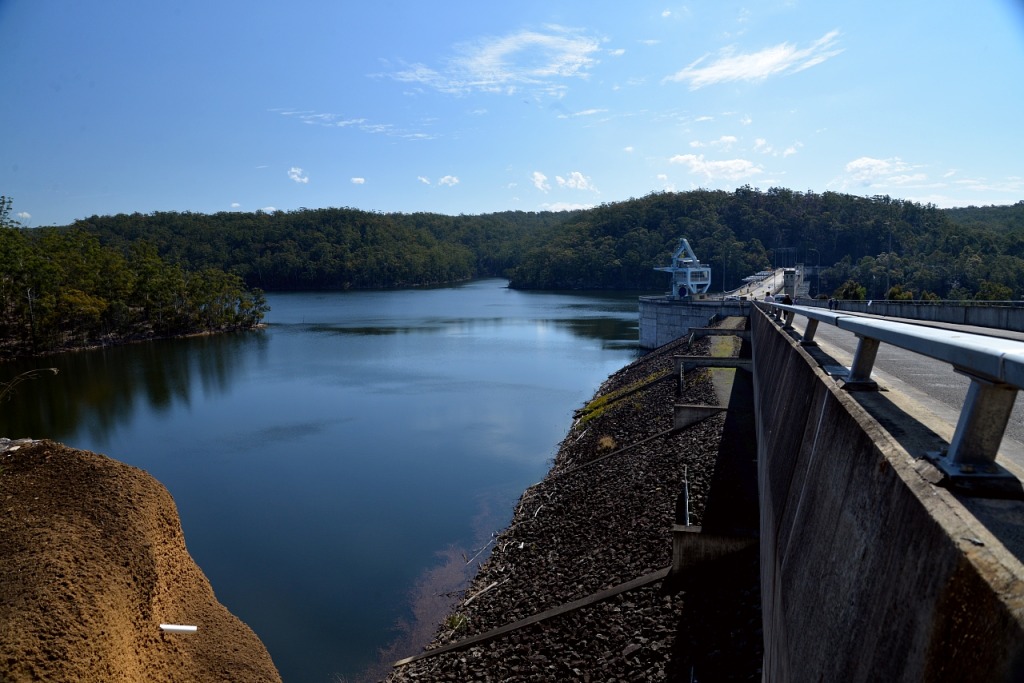
Warragamba Dam has appeared in documentaries, news reports, and artistic works. Its construction was covered extensively in mid-century media. Archival footage shows workers, concrete pours, and opening ceremonies. The dam has featured in environmental documentaries and flood coverage. Artists have painted its landscape and industrial form. Writers have explored its symbolism and social impact. The dam is referenced in school textbooks and museum exhibits. News outlets report on water levels and policy debates. Social media amplifies public reactions during floods and droughts. The anniversary has inspired new media projects. Podcasts and photo essays revisit its legacy. The dam’s image evokes strength, scale, and complexity. It is part of Sydney’s visual and narrative identity. Media representation shapes how the public understands infrastructure. Warragamba is both a technical object and a cultural symbol.
Media Presence – Warragamba Dam
| Medium | Representation |
|---|---|
| Documentaries | Construction and environmental impact |
| News Reports | Water levels and policy debates |
| Artistic Works | Paintings and photography |
| Educational Materials | Textbooks and museum exhibits |
| Social Media | Public reactions and commentary |
| Anniversary Projects | Podcasts, essays, and retrospectives |
Global Context – Comparing Dams Worldwide
Warragamba Dam stands among major global dams in scale and function. It is one of the largest domestic water supply dams in the Southern Hemisphere. Globally, dams like Hoover (USA), Three Gorges (China), and Aswan (Egypt) serve similar roles. Each dam reflects its country’s engineering priorities and environmental context. Warragamba’s gravity design is shared by many international counterparts. Its catchment protection model is considered exemplary. Unlike some global dams, Warragamba is not used for hydroelectric power. Its primary focus is water supply and flood mitigation. International comparisons highlight differences in governance and public engagement. Some dams face criticism for displacement and ecological harm. Warragamba’s restricted access model protects water quality. The anniversary invites reflection on global infrastructure ethics. Australia’s approach blends engineering with conservation. Warragamba contributes to international knowledge exchange. It is part of a global conversation on water security.
Global Comparison – Major Dams
| Dam Name | Country | Primary Function | Notable Feature |
|---|---|---|---|
| Warragamba | Australia | Water supply, flood | Protected catchment |
| Hoover | USA | Hydroelectric, water | Art Deco architecture |
| Three Gorges | China | Hydroelectric, flood | Largest power station |
| Aswan High | Egypt | Irrigation, power | Nile River regulation |
| Itaipu | Brazil/Paraguay | Hydroelectric | Binational cooperation |
Origins and Early Planning – The Prewar Vision
The idea of a major dam on the Warragamba River predates World War II. As early as the 1920s, engineers identified the river’s deep gorge as a potential site. Sydney’s population was growing rapidly, and existing dams were nearing capacity. The Great Depression delayed initial planning efforts. By the late 1930s, water shortages became more frequent. The war further postponed infrastructure investment. After 1945, the urgency to secure Sydney’s water supply intensified. The New South Wales Government commissioned feasibility studies. Engineers confirmed the site’s suitability for a gravity dam. Planning accelerated under postwar reconstruction programs. The project was seen as a symbol of modernisation. It promised jobs, security, and long-term resilience. The decision to proceed was made in 1946. Construction officially began in 1948. The dam’s origins reflect a mix of foresight and necessity.
Historical Milestones – Pre-Construction Era
| Year | Event/Development |
|---|---|
| 1920s | Site identified as potential dam location |
| 1930s | Planning delayed by economic depression |
| 1940s | Water shortages and wartime postponement |
| 1945 | Postwar urgency for infrastructure |
| 1946 | Official decision to build |
| 1948 | Construction commenced |
Construction Years – Labour, Concrete, and Scale
The construction of Warragamba Dam spanned twelve years. It began in 1948 and concluded in 1960. Thousands of workers were employed, many of them postwar migrants. Labour camps were built near the site to house workers. The dam required over 3 million tonnes of concrete. Materials were transported via purpose-built roads and rail lines. The gravity design relied on mass and geometry. Concrete was poured in massive blocks, each cured with precision. A cooling system was embedded to manage thermal stress. The spillway and gate systems were added in later stages. Safety standards were evolving, and accidents occurred. Despite challenges, the project stayed on schedule. The final structure stood 142 metres high. It was one of the largest domestic water supply dams in the Southern Hemisphere. The construction years were marked by grit and ambition.
Construction Timeline – Warragamba Dam
| Year | Milestone |
|---|---|
| 1948 | Groundbreaking and site preparation |
| 1950–1955 | Major concrete pours and structural works |
| 1956 | Spillway and gate installation |
| 1958 | Final curing and inspections |
| 1960 | Official opening ceremony |
Opening Ceremony – A National Moment
Warragamba Dam was officially opened on 14 October 1960. The ceremony was attended by government officials, engineers, and community leaders. It was broadcast on radio and covered in national newspapers. Speeches praised the dam as a triumph of Australian engineering. The event marked the culmination of twelve years of labour. Flags were raised and commemorative plaques unveiled. The dam was presented as a gift to future generations. Schoolchildren were invited to witness the occasion. Photographs captured the scale and pride of the moment. The opening symbolised postwar recovery and civic progress. It was a moment of unity and optimism. The dam’s gates were tested and declared operational. Water began flowing into Lake Burragorang. The ceremony entered public memory as a landmark event. It remains a key chapter in Australia’s infrastructure history.
Opening Day – 14 October 1960
| Feature | Detail |
|---|---|
| Date | 14 October 1960 |
| Attendees | Officials, engineers, community leaders |
| Media Coverage | National radio and newspapers |
| Symbolism | Postwar recovery and civic pride |
| Public Participation | Schoolchildren and local residents |
| Legacy | Commemorative plaques and photographs |
Early Operations – Water, Weather, and Trust
In its first decade, Warragamba Dam proved its value. Sydney’s water supply stabilised, even during dry spells. The dam’s reservoir filled steadily with seasonal rainfall. Treatment plants were expanded to handle increased flow. Water quality was monitored and maintained. The dam’s gates were tested during minor flood events. Public trust in the infrastructure grew. The catchment was declared a protected zone. Access restrictions helped preserve water purity. Environmental awareness began to shape operations. Maintenance crews inspected the dam regularly. Engineers refined spillway protocols. The dam became a model for other projects. Its early performance validated the planning and investment. The 1960s were a decade of consolidation and confidence.
Operational Highlights – 1960s
| Feature | Detail |
|---|---|
| Water Supply | Stabilised Sydney’s needs |
| Reservoir Filling | Seasonal rainfall |
| Treatment Expansion | Increased capacity |
| Flood Response | Gate testing and protocols |
| Catchment Protection | Restricted access introduced |
| Public Trust | High confidence in infrastructure |
Historical Legacy – Memory and Meaning Over Time
Over the decades, Warragamba Dam has become part of Australia’s historical landscape. It is remembered as a postwar achievement and a symbol of resilience. Its construction stories are passed down through families. Migrant workers recall the labour camps and camaraderie. Engineers reflect on the technical challenges overcome. The dam appears in school textbooks and museum exhibits. It is featured in documentaries and oral histories. The site has hosted anniversaries and commemorations. Public memory includes pride, loss, and reflection. The submerged Burragorang Valley remains part of the narrative. Indigenous voices have added depth to the historical record. The dam’s legacy is layered and evolving. It teaches lessons in planning, sacrifice, and stewardship. The 65th anniversary renews interest in its history. Warragamba stands as a monument to time and transformation.
Historical Legacy – Warragamba Over Time
| Aspect | Historical Significance |
|---|---|
| Postwar Achievement | Symbol of national recovery |
| Migrant Labour | Shared memories and contributions |
| Educational Role | Featured in curricula and exhibits |
| Commemorations | Anniversaries and public events |
| Indigenous History | Cultural depth and reflection |
| Public Memory | Pride, loss, and transformation |
Workers and Camps – Life Behind the Concrete
The human story of Warragamba Dam is inseparable from the workers who built it. Thousands of labourers, engineers, and tradespeople lived in temporary camps near the site. These camps became small towns with mess halls, clinics, and recreation areas. Workers came from across Australia and overseas. Many were recent migrants from Europe, seeking stability after war. The camps fostered camaraderie and hardship in equal measure. Long hours, harsh weather, and isolation defined daily life. Safety standards were evolving, and injuries were common. Despite the risks, morale was often high. Sporting events and dances were organised to lift spirits. Families sometimes joined workers in nearby settlements. The camps became multicultural hubs of resilience. Oral histories preserve stories of mateship and endurance. The workforce left a legacy of skill and sacrifice. Their labour shaped one of Australia’s greatest infrastructure feats. The anniversary honours their contribution.
Worker Life – Warragamba Construction Camps
| Feature | Detail |
|---|---|
| Workforce Size | Thousands of labourers and engineers |
| Nationalities | Australian, European, postwar migrants |
| Camp Facilities | Mess halls, clinics, recreation areas |
| Living Conditions | Basic but communal |
| Cultural Life | Sports, dances, shared meals |
| Legacy | Oral histories and family recollections |
Postwar Migration – Building a New Nation
Warragamba Dam was built during a wave of postwar migration. Australia welcomed thousands of displaced people from Europe. Many found work on large infrastructure projects. The dam became a site of integration and opportunity. Migrants brought skills, discipline, and determination. They worked alongside Australians in a spirit of shared purpose. Language barriers were overcome through teamwork. The camps became multilingual and multicultural. Food, music, and customs were exchanged. The dam’s construction helped shape modern Australia. It symbolised the promise of a new life. Migrants contributed to the nation’s physical and social fabric. Their stories are part of the dam’s legacy. The 65th anniversary is a chance to honour their role. Infrastructure became a bridge between cultures. Warragamba stands as a monument to migration.
Postwar Migration – Contributions to Warragamba
| Aspect | Detail |
|---|---|
| Migrant Origins | Italy, Greece, Yugoslavia, Germany |
| Roles | Labourers, carpenters, machine operators |
| Integration | Camps fostered cultural exchange |
| Challenges | Language, isolation, physical demands |
| Contributions | Skilled labour and community building |
| Legacy | Multicultural foundation of the project |
Archives and Memory – Preserving the Story
The history of Warragamba Dam is preserved in archives, museums, and personal collections. Photographs document each stage of construction. Blueprints and engineering drawings reveal technical precision. Diaries and letters capture daily life in the camps. Oral histories give voice to workers and families. The State Library of New South Wales holds extensive records. WaterNSW maintains technical and operational archives. Museums feature models, tools, and commemorative items. School projects and local histories add grassroots perspectives. Anniversary events often include exhibitions and talks. Digital archives make materials accessible to new generations. Preservation ensures the story remains alive. Memory is shaped by what we choose to keep. The dam’s legacy is both physical and narrative. Archival work is an act of stewardship. It connects past, present, and future.
Archival Sources – Warragamba Dam History
| Source Type | Content Preserved |
|---|---|
| Photographs | Construction stages and ceremonies |
| Engineering Plans | Blueprints and technical drawings |
| Personal Accounts | Diaries, letters, oral histories |
| Institutional Archives | WaterNSW, State Library of NSW |
| Museum Collections | Tools, models, commemorative items |
| Digital Repositories | Scanned documents and interviews |
Engineering Leadership – Minds Behind the Monument
Warragamba Dam was shaped by visionary engineers and planners. Chief Engineer Thomas Upton played a central role. He led a team of specialists in hydrology, geology, and structural design. Their work combined innovation with pragmatism. The gravity dam design was chosen for its stability. Engineers had to adapt to the site’s steep gorge and remote location. They developed new techniques for concrete cooling and curing. Safety was a growing concern, prompting design refinements. The team coordinated with geologists to assess rock integrity. Surveyors mapped the terrain with precision instruments. Logistics experts managed supply chains and workforce deployment. The leadership team balanced cost, time, and quality. Their decisions shaped the dam’s longevity. Many went on to lead other national projects. Their legacy is etched into the dam’s structure. The anniversary is a tribute to their expertise.
Engineering Team – Key Figures and Innovations
| Role/Discipline | Contribution |
|---|---|
| Chief Engineer | Project leadership and oversight |
| Structural Engineers | Gravity dam design and calculations |
| Geologists | Site assessment and foundation analysis |
| Surveyors | Terrain mapping and alignment |
| Materials Specialists | Concrete mix and cooling systems |
| Logistics Coordinators | Transport, supply, and workforce planning |
National Identity – A Dam for the People
Warragamba Dam became part of Australia’s national identity. It symbolised postwar ambition and collective effort. The project united people across class, culture, and geography. It demonstrated what public infrastructure could achieve. The dam was built with public funds and public purpose. It served as a model for future projects. Its image appeared in textbooks, stamps, and newsreels. The dam became a source of civic pride. It represented security in an uncertain world. Over time, it also became a site of debate. Questions about heritage, environment, and equity emerged. The dam’s meaning has evolved with the nation. It reflects Australia’s changing values and priorities. The 65th anniversary is a mirror of national memory. Warragamba is not just a structure—it is a story we tell ourselves.
National Significance – Warragamba in Australian Identity
| Symbolic Role | Interpretation |
|---|---|
| Postwar Ambition | Nation-building and resilience |
| Public Infrastructure | Collective investment and benefit |
| Civic Pride | Engineering achievement |
| Cultural Reflection | Migration, memory, and debate |
| Educational Icon | Featured in schools and media |
| Evolving Meaning | From triumph to reflection |
Symbolic Resonance – What the Dam Represents
Warragamba Dam is more than concrete and water. It represents resilience, ambition, and transformation. Built in the wake of war, it symbolised renewal and progress. For many, it is a monument to human ingenuity. For others, it is a reminder of loss and displacement. The dam’s scale evokes awe and reflection. Its presence shapes the landscape and imagination. Artists have painted it, poets have written about it. It appears in documentaries and oral histories. The dam is a symbol of Sydney’s dependence on nature. It also reflects the tension between control and vulnerability. The anniversary invites symbolic interpretation. What does it mean to hold back water? What does it mean to flood a valley? These questions are part of the dam’s legacy. Its resonance will continue to evolve.
Symbolic Dimensions – Warragamba Dam
| Symbol/Theme | Interpretation |
|---|---|
| Resilience | Surviving floods and droughts |
| Ambition | Engineering scale and vision |
| Loss | Submerged communities and heritage |
| Control | Managing nature through infrastructure |
| Vulnerability | Climate risk and ecological fragility |
| Memory | Historical and cultural remembrance |
Reflections and Renewal – The Path Forward
The 65th anniversary of Warragamba Dam is a moment of reflection. It invites us to honour the past and imagine the future. The dam has served Sydney with strength and reliability. It has endured floods, droughts, and political debates. Its construction reshaped landscapes and lives. Its operation continues to evolve with technology and policy. The future will demand even greater adaptability. Climate change, population growth, and cultural awareness will shape decisions. The dam must remain safe, sustainable, and inclusive. Its legacy is both technical and emotional. It teaches us about water, power, and memory. The anniversary is not just a celebration—it is a renewal. It calls for stewardship, dialogue, and innovation. Warragamba Dam stands as a monument of water and will. Its story is far from over.
Warragamba at 65 – Legacy and Future
| Reflection Area | Insight/Direction |
|---|---|
| Technical Legacy | Engineering excellence and durability |
| Environmental Impact | Conservation and catchment protection |
| Cultural Memory | Heritage and symbolic meaning |
| Future Planning | Climate resilience and upgrades |
| Public Role | Engagement and transparency |
| Educational Value | Teaching infrastructure and ecology |
Join the Discussion
Warragamba Dam’s 65th anniversary is a chance to reflect, engage, and envision. Whether you’re an engineer, educator, artist, or citizen, its story touches us all.
#Warragamba65 #WaterSecurity #SydneyInfrastructure #CatchmentCare #CulturalHeritage #FloodResilience #EngineeringAustralia #EnvironmentalStewardship #PublicMemory #InfrastructureEducation


Very relevant and timely content. Appreciate you sharing this.
This content is gold. Thank you so much!
Thanks for taking the time to break this down step-by-step.
You explained it in such a relatable way. Well done!
This topic is usually confusing, but you made it simple to understand.
Thanks for taking the time to break this down step-by-step.
This content is gold. Thank you so much!
Such a simple yet powerful message. Thanks for this.
Your content never disappoints. Keep up the great work!
This gave me a whole new perspective. Thanks for opening my eyes.
Thank you for being so generous with your knowledge.
You’ve clearly done your research, and it shows.
Such a refreshing take on a common topic.
You’ve sparked my interest in this topic.
I’m definitely going to apply what I’ve learned here.
Thanks for addressing this topic—it’s so important.
That live dealer atmosphere really does make a difference, doesn’t it? It’s more than just the game; it’s the whole social vibe. Thinking of checking out 987PH – heard their dealers are top-notch & the streams are super clear! Feels like a real casino night.
It’s refreshing to find something that feels honest and genuinely useful. Thanks for sharing your knowledge in such a clear way.
Such a refreshing take on a common topic.
Your writing always inspires me to learn more.
This is exactly the kind of content I’ve been searching for.
You explained it in such a relatable way. Well done!
I enjoyed your perspective on this topic. Looking forward to more content.
Your articles always leave me thinking.
I appreciate the honesty and openness in your writing.
Very useful tips! I’m excited to implement them soon.
Your content always adds value to my day.
Great points, well supported by facts and logic.
I enjoyed every paragraph. Thank you for this.
You bring a fresh voice to a well-covered topic.