

The Sydney Harbour Bridge And Its Immense Scale
The Sydney Harbour Bridge And The Remarkable Stability Behind Its Immense Scale
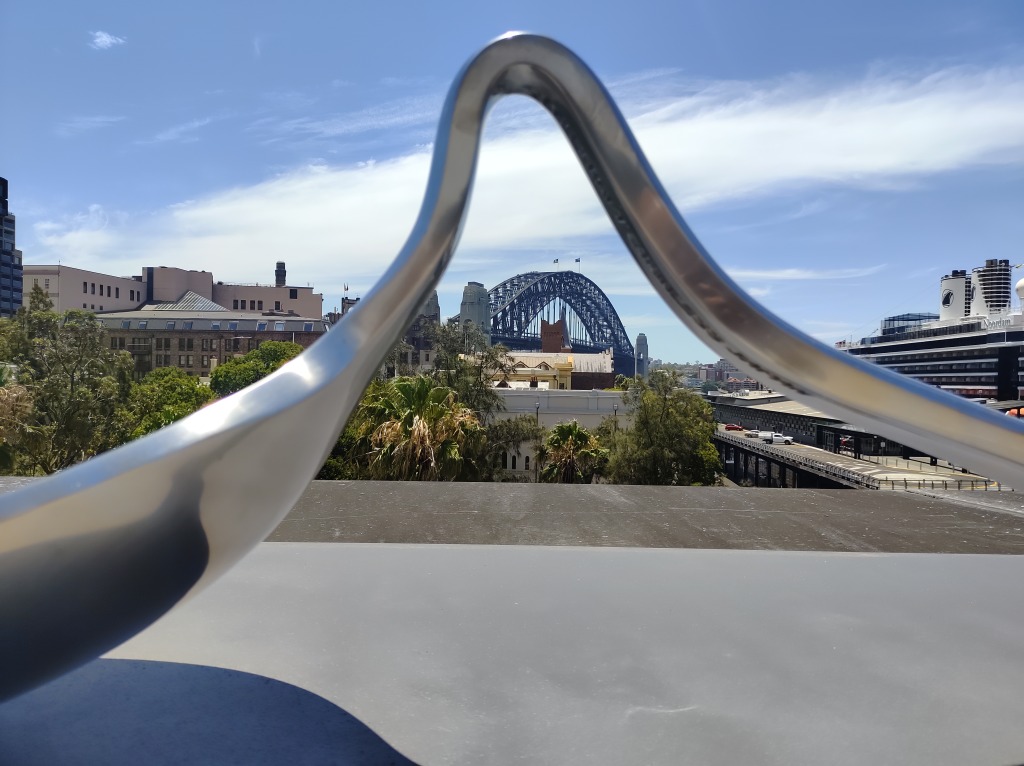
The Sydney Harbour Bridge is often admired for its size, its sweeping arch, and its unmistakable silhouette, yet its true brilliance lies in the extraordinary stability that allows such a massive structure to feel almost effortless. People cross it every day without thinking about the engineering decisions that keep it steady through storms, traffic, temperature changes, and the constant movement of the harbour below. The bridge’s stability is not accidental but the result of meticulous planning, innovative design, and a deep understanding of how steel behaves under pressure. Its presence has shaped Sydney’s identity for generations, becoming both a functional crossing and a symbol of resilience.
The Arch That Holds It All Together
How The Shape Creates Strength
The Sydney Harbour Bridge’s arch is more than a visual statement, as its curved form distributes weight evenly across the structure, allowing it to support enormous loads without strain. The arch works by transferring forces into the foundations at each end, creating a stable system that remains balanced even when thousands of vehicles cross it at once. This design allows the bridge to expand and contract naturally with temperature changes, preventing stress from building up in the steel. The arch’s geometry is so effective that it remains one of the most stable bridge forms ever created. Its strength lies not in its size alone but in the elegance of its engineering.
| Structural Feature | Stability Benefit |
|---|---|
| Curved Arch | Distributes weight evenly |
| Steel Composition | Handles expansion and contraction |
| Deep Foundations | Anchor the structure |
| Balanced Load Paths | Prevents stress buildup |
The Bridge That Breathes With The Weather
Why Temperature Changes Do Not Affect Stability
The Sydney Harbour Bridge expands and contracts throughout the day as temperatures rise and fall, sometimes shifting by several centimetres without affecting its stability. This movement is intentional, built into the design through expansion joints and flexible connections that allow the steel to adjust naturally. Without these features, the bridge would experience stress that could weaken its structure over time. Instead, the bridge behaves almost like a living organism, adapting to its environment with quiet precision. This ability to move without losing strength is one of the reasons the bridge remains so reliable.
- Expansion joints allow movement
- Steel adapts to temperature changes
- Prevents structural stress
- Maintains long term stability
- Designed for environmental flexibility
The Massive Foundations Beneath The Water
How Hidden Supports Keep The Bridge Steady
Beneath the harbour’s surface lie enormous foundations that anchor the bridge to the bedrock, providing stability that is invisible to anyone crossing above. These foundations were carved deep into the rock to ensure the structure could withstand shifting tides, strong winds, and the weight of the arch. Engineers used innovative techniques for the time, creating chambers that allowed workers to excavate underwater with remarkable accuracy. The result is a foundation system that remains solid after nearly a century of use. This unseen strength is one of the bridge’s most impressive features.
| Foundation Element | Description |
|---|---|
| Deep Rock Anchors | Secure the arch |
| Underwater Excavation | Enabled precise placement |
| Massive Concrete Blocks | Provide weight and stability |
| Long Term Durability | Designed for generations |
The Steel That Holds Its Shape
Why The Material Choice Matters
The Sydney Harbour Bridge is built from high quality steel that was specifically chosen for its strength, flexibility, and resistance to fatigue. This steel can withstand constant vibration from traffic, wind pressure, and temperature fluctuations without weakening. The material’s ability to bend slightly under stress prevents cracks from forming, ensuring the bridge remains stable even under heavy loads. Engineers understood that steel’s behaviour over time would determine the bridge’s longevity. Their choice has proven remarkably effective.
- High strength steel
- Resistant to fatigue
- Handles vibration
- Flexible under stress
- Long lasting performance
The Bridge That Can Withstand Strong Winds
How Aerodynamics Protect Stability
The Sydney Harbour Bridge was designed to handle powerful winds that sweep across the harbour, with its open truss structure allowing air to pass through rather than push against it. This reduces pressure on the arch and prevents swaying that could compromise stability. The bridge’s shape also helps guide wind around the structure, minimising turbulence. Engineers tested wind behaviour extensively to ensure the bridge could withstand extreme conditions. This aerodynamic resilience is a key part of its enduring strength.
| Wind Feature | Stability Effect |
|---|---|
| Open Truss Design | Reduces wind pressure |
| Aerodynamic Shape | Guides airflow |
| Strong Steel Members | Resist bending |
| Wind Testing | Ensured safety |
The Bridge That Carries Enormous Weight
How Load Distribution Keeps It Stable
The Sydney Harbour Bridge supports thousands of vehicles, trains, cyclists, and pedestrians every day, yet its structure remains remarkably steady due to its efficient load distribution. The arch transfers weight into the foundations, while the deck spreads loads evenly across the trusses. This prevents any single point from experiencing excessive stress. The bridge was built to handle far more weight than it carries today, giving it a generous safety margin. This overengineering contributes to its legendary stability.
- Even load distribution
- Strong truss system
- High weight capacity
- Built with safety margin
- Handles daily traffic easily
The Bridge That Moves Without Shaking
How Vibration Control Enhances Stability
The Sydney Harbour Bridge experiences constant vibration from vehicles and trains, yet its design prevents these movements from affecting overall stability. The steel trusses absorb and disperse vibration, preventing it from concentrating in any one area. This keeps the bridge steady even during peak traffic. Engineers also designed the deck to flex slightly, reducing the impact of heavy loads. These subtle movements protect the structure from long term damage.
| Vibration Feature | Description |
|---|---|
| Flexible Deck | Reduces impact |
| Steel Trusses | Absorb vibration |
| Even Distribution | Prevents stress points |
| Long Term Protection | Enhances durability |
The Bridge That Survives Harsh Marine Conditions
How It Resists Corrosion
The Sydney Harbour Bridge faces constant exposure to saltwater air, which can corrode steel over time, yet its protective coatings and maintenance routines keep it stable. The steel is regularly inspected, cleaned, and repainted to prevent rust from forming. This ongoing care ensures the structure remains strong despite the harsh environment. The bridge’s design also allows water to drain efficiently, reducing moisture buildup. These protective measures are essential to its longevity.
- Protective coatings
- Regular inspections
- Efficient drainage
- Salt resistant materials
- Long term preservation

The Bridge That Was Built With Extreme Precision
How Accuracy Ensured Stability
When the Sydney Harbour Bridge was constructed, engineers used precise measurements to ensure the two halves of the arch would meet perfectly in the middle. Any misalignment could have compromised the structure’s stability. Workers used advanced surveying techniques to maintain accuracy throughout the build. The final connection was so precise that the gap closed exactly as planned. This level of precision remains one of the bridge’s greatest achievements.
| Construction Element | Importance |
|---|---|
| Precise Surveying | Ensured alignment |
| Accurate Steel Cutting | Prevented gaps |
| Controlled Assembly | Maintained balance |
| Perfect Arch Closure | Guaranteed stability |
The Bridge That Adapts To Traffic Patterns
How Flexibility Supports Stability
The Sydney Harbour Bridge’s lanes can be adjusted to accommodate changing traffic flows, reducing congestion and preventing uneven stress on the structure. This flexibility ensures that weight is distributed more evenly throughout the day. The ability to shift lanes also reduces wear on specific areas of the deck. Engineers designed the bridge with adaptability in mind, recognising that traffic patterns would evolve over time. This foresight contributes to the bridge’s long term stability.
- Adjustable lanes
- Even weight distribution
- Reduced deck wear
- Adaptable design
- Supports modern traffic
The Bridge That Withstands Time
How Durability Was Built Into The Design
The Sydney Harbour Bridge was constructed with the expectation that it would last for generations, and its materials, design, and maintenance practices reflect this ambition. The steel components were chosen for their long term resilience, while the foundations were built to withstand environmental pressures. Regular inspections ensure that any issues are addressed before they become significant. The bridge’s durability is a testament to the engineers’ vision. Its continued stability shows how well their decisions have stood the test of time.
| Durability Feature | Benefit |
|---|---|
| Strong Materials | Long lifespan |
| Deep Foundations | Resist environmental forces |
| Regular Maintenance | Prevents deterioration |
| Robust Design | Ensures reliability |
The Bridge That Balances Beauty And Strength
How Aesthetic Choices Support Stability
The Sydney Harbour Bridge’s iconic shape is not only visually striking but also structurally efficient, with its sweeping arch providing both beauty and strength. The design avoids unnecessary complexity, allowing the structure to remain stable without excessive weight. The clean lines and open trusses contribute to both aesthetics and function. This balance between form and stability is one of the reasons the bridge remains admired worldwide. Its beauty is inseparable from its engineering.
- Efficient design
- Clean structural lines
- Functional aesthetics
- Balanced proportions
- Iconic appearance
The Bridge That Connects A Growing City
How Stability Supports Expansion
As Sydney has grown, the Harbour Bridge has remained a reliable connector between the city’s northern and southern regions. Its stability ensures that it can support increased traffic and evolving transportation needs. The bridge’s design allows for upgrades and adjustments without compromising its structure. This adaptability has helped it remain relevant in a rapidly changing city. Its stability is essential to Sydney’s daily life.
| City Feature | Bridge Role |
|---|---|
| Growing Population | Supports increased traffic |
| Expanding Transport | Adapts to new needs |
| Urban Development | Provides reliable connection |
| Daily Commuting | Ensures smooth flow |
The Bridge That Inspires Confidence
How Stability Shapes Public Perception
People trust the Sydney Harbour Bridge because it feels solid, dependable, and unshakeable, even during storms or heavy traffic. This confidence comes from decades of consistent performance and visible maintenance. The bridge’s stability has become part of its identity, reinforcing its role as a symbol of strength. Visitors often remark on how steady it feels, even when standing high above the water. This sense of security enhances its cultural significance.
- Public trust
- Consistent performance
- Visible maintenance
- Cultural symbolism
- Sense of safety

The Bridge That Stands As A Symbol Of Engineering Excellence
How Stability Reflects Human Ingenuity
The Sydney Harbour Bridge represents a moment in history when engineering ambition met practical necessity, resulting in a structure that remains both functional and inspiring. Its stability reflects the skill, creativity, and determination of the people who built it. The bridge continues to serve as a reminder of what can be achieved through thoughtful design and careful planning. Its enduring strength is a tribute to human ingenuity. The bridge stands not only as a crossing but as a testament to excellence.
| Engineering Element | Contribution |
|---|---|
| Innovative Design | Ensured stability |
| Skilled Workforce | Achieved precision |
| Strong Materials | Provided durability |
| Visionary Planning | Created lasting impact |
Conclusion
The Sydney Harbour Bridge is far more than a large structure spanning the harbour, as its stability is the result of deliberate choices, innovative engineering, and a deep understanding of how materials and forces interact. Every part of the bridge, from its arch to its foundations, contributes to a system that remains remarkably steady despite constant environmental and structural pressures. Its ability to adapt, endure, and perform flawlessly has made it one of the most trusted and admired bridges in the world. The bridge’s stability is not just a technical achievement but a defining part of Sydney’s identity. It stands as a reminder that strength and elegance can coexist in a single, extraordinary structure.
Join The Discussion
Share your thoughts on the Sydney Harbour Bridge, your experiences crossing it, or the engineering details you find most fascinating. Your insights help deepen the appreciation of this remarkable structure.
#SydneyHarbourBridge #EngineeringMarvel #SydneyLandmarks #BridgeDesign #StructuralStability #SydneyHistory


