The Old But New Face Of The Rocks Sydney
Face Of The Rocks Sydney
The Rocks carries a layered presence that blends its historic foundations with a renewed sense of identity shaped by modern life. People walking through its narrow streets often feel a quiet pull between the past and the present, as if the stones themselves hold memories that rise gently to the surface. This interplay creates an atmosphere that invites reflection, curiosity, and emotional connection. Many individuals find that the area evokes a sense of continuity, reminding them that places evolve just as people do. The Rocks becomes a living example of how environments can hold multiple stories at once without losing their essence.
This duality encourages visitors to slow down and notice the subtle details that reveal its character. Over time, the area has transformed while still preserving the emotional traces of earlier generations. This balance between preservation and renewal shapes the psychological experience of those who explore it. The Rocks becomes a space where time feels layered rather than linear. It is within this gentle frame that the following ideas unfold.
The Layers Beneath The Streets
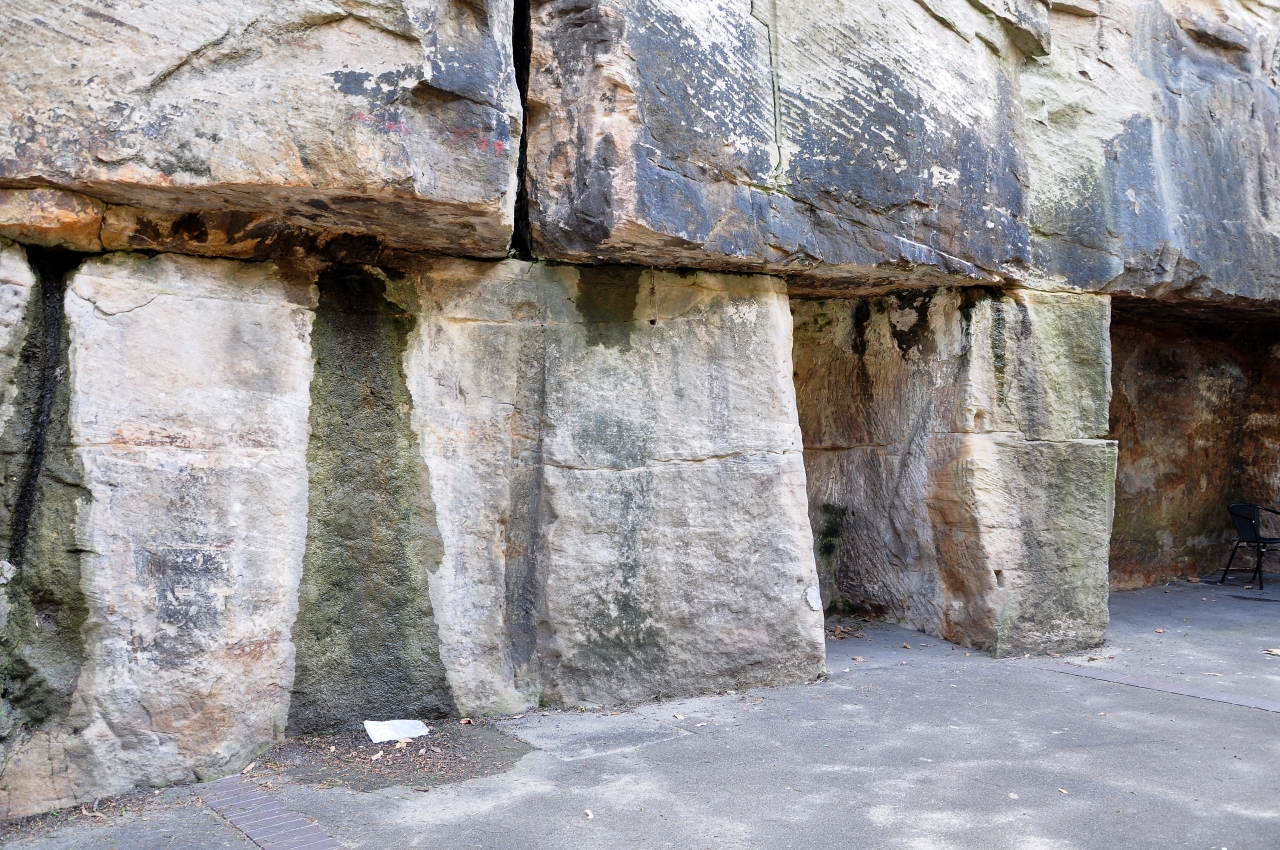
Walking through The Rocks reveals a landscape shaped by centuries of movement, settlement, and transformation. The cobblestones carry the weight of countless footsteps, each leaving a faint emotional imprint that contributes to the area’s atmosphere. People often sense this layered history even before they consciously recognise it. The narrow lanes and sandstone walls create a feeling of intimacy that contrasts with the modern city rising around them. This contrast highlights the psychological power of environments that blend old textures with new rhythms.
Many individuals find that these layers evoke a sense of continuity that feels grounding. The Rocks becomes a place where the past is not distant but quietly present. This presence shapes how people interpret the space and their own reactions to it. Over time, these layers become part of the area’s identity. They reveal how environments can hold stories that remain alive through subtle cues.
Historical Layer Table
| Element | Environmental Feature | Emotional Influence |
|---|---|---|
| Sandstone walls | Early construction | Creates connection |
| Cobblestone paths | Historic movement | Evokes reflection |
| Narrow lanes | Original layout | Encourages curiosity |
| Harbour proximity | Maritime history | Inspires imagination |
The Emotional Echo Of Old Foundations
The Rocks carries emotional echoes shaped by the people who lived, worked, and struggled within its early settlement. These echoes linger in the textures of the buildings, the angles of the streets, and the quiet corners that hold stories of resilience. People often feel a sense of depth when they walk through these spaces, even without knowing the historical details. This emotional resonance creates a psychological bridge between past and present.
Many individuals find that these echoes evoke a mixture of nostalgia and curiosity. The environment becomes a silent storyteller that invites reflection rather than instruction. Over time, these emotional traces shape how people experience the area. They influence mood, perception, and the sense of connection to place. The Rocks becomes a space where emotional memory and physical structure intertwine.
Emotional Echo Points
• Emotional traces linger in old structures • Early settlement influences atmosphere • People sense depth without needing details • Echoes evoke curiosity and reflection • Emotional memory shapes experience
The Renewal Of Familiar Streets
The Rocks has undergone significant renewal, yet its character remains anchored in its original foundations. Modern cafés, galleries, and markets now sit alongside historic buildings, creating a blend that feels both familiar and fresh. This mixture reflects the psychological process of integrating new experiences with long‑held memories. People often feel energised by this combination because it mirrors their own evolving identities. Renewal does not erase the past but adds new layers that enrich the environment. Many individuals discover that this blend encourages exploration and emotional openness. The Rocks becomes a place where change feels natural rather than disruptive. Over time, this renewal shapes how people relate to the area. It becomes a symbol of growth that honours its origins.
Renewal Table
| Renewal Element | Modern Feature | Psychological Effect |
|---|---|---|
| Updated venues | Contemporary design | Encourages engagement |
| Restored buildings | Preserved texture | Creates continuity |
| Public spaces | Open gathering areas | Supports connection |
| Cultural events | Community activity | Inspires curiosity |
The Pull Of Atmosphere
Atmosphere plays a powerful role in shaping how people experience The Rocks. The blend of old stone, harbour air, and modern movement creates a sensory landscape that feels both grounded and alive. People often respond to this atmosphere with instinctive emotional shifts. The area can evoke calm, curiosity, or a sense of discovery depending on the moment. Atmosphere becomes a psychological guide that shapes how individuals move through the space. Many discover that they feel more reflective in quieter corners and more energised in bustling areas. This dynamic interplay reveals how environments influence emotional tone. Over time, atmosphere becomes part of the area’s identity. It shapes the stories people carry away from their visit.
Atmosphere Points
• Atmosphere shapes emotional response • Sensory cues influence movement • Old textures create grounding • Modern energy encourages exploration • Atmosphere becomes part of identity
The Story Told Through Architecture
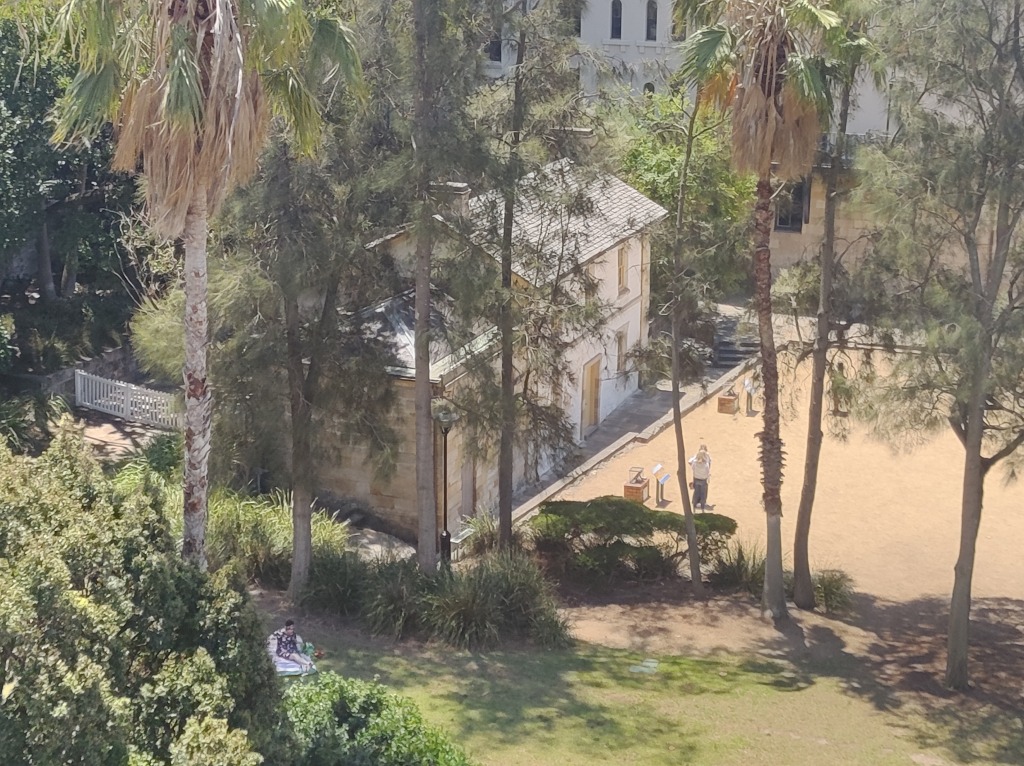
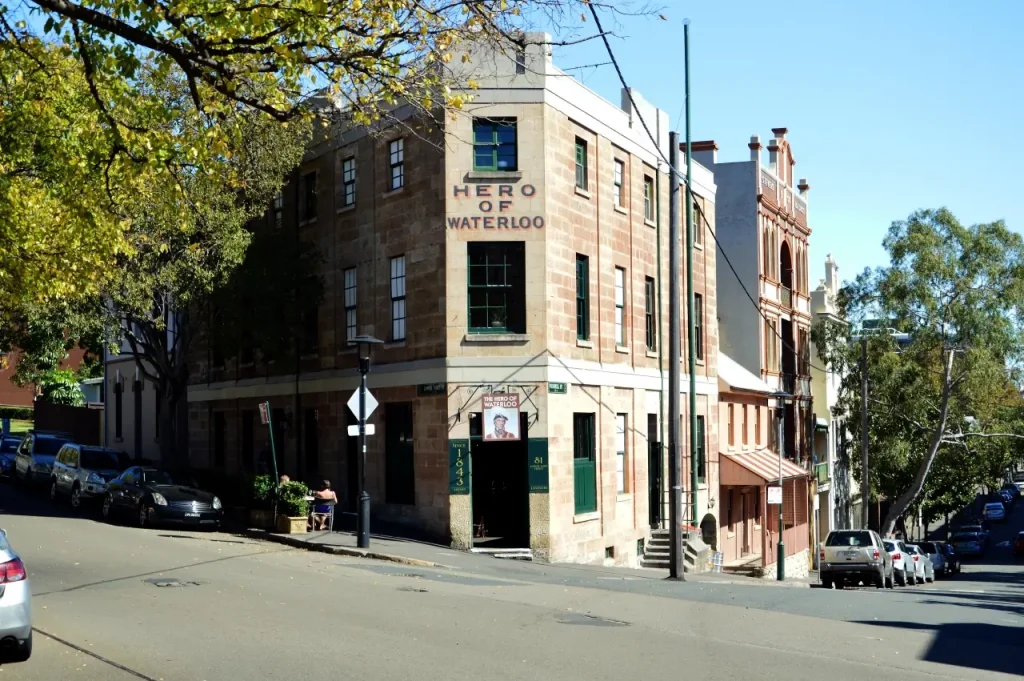
Architecture in The Rocks reveals a narrative of adaptation, resilience, and cultural layering. The sandstone buildings reflect early craftsmanship, while newer structures introduce contemporary lines that complement the original forms. This architectural blend creates a visual dialogue between eras. People often feel drawn to this dialogue because it mirrors the psychological process of integrating past experiences with present realities. Architecture becomes a physical expression of continuity. Many individuals find that the contrast between old and new deepens their emotional connection to the area. Over time, these architectural stories shape how people interpret the environment. They reveal how design influences mood, memory, and perception. The Rocks becomes a living archive of architectural evolution.
Architectural Table
| Architectural Element | Era | Emotional Response |
|---|---|---|
| Sandstone terraces | Early settlement | Evokes nostalgia |
| Modern façades | Contemporary period | Creates contrast |
| Restored warehouses | Adaptive reuse | Encourages curiosity |
| Harbour structures | Maritime heritage | Inspires reflection |
The Social Story Of The Rocks
The Rocks has always been shaped by the people who gather, work, and wander through its streets. Markets, festivals, and daily routines create a social rhythm that adds warmth to the historic setting. People often feel a sense of belonging when they encounter these communal moments. Social interaction becomes part of the area’s evolving narrative. Many individuals discover that the social energy enhances their emotional connection to the space. The Rocks becomes a place where community and history intersect. Over time, these interactions shape the area’s identity. They reveal how social presence influences emotional experience. The environment becomes a shared story written through everyday encounters.
Social Points
• Social activity shapes atmosphere • Community events create connection • Shared spaces encourage interaction • Social energy enhances emotional tone • People contribute to the area’s identity
The Harbour’s Influence
The harbour plays a central role in shaping the emotional and physical character of The Rocks. Its presence brings movement, light, and a sense of openness that contrasts with the narrow streets. People often feel a sense of calm when they approach the water. The harbour becomes a natural anchor that balances the density of the historic precinct. Many individuals find that the interplay between land and water creates a unique psychological rhythm. This rhythm influences how people move, pause, and reflect. Over time, the harbour becomes part of the area’s emotional landscape. It shapes the stories people associate with The Rocks. The environment becomes a blend of maritime history and contemporary life.
Harbour Table
| Harbour Element | Influence | Emotional Effect |
|---|---|---|
| Water movement | Natural rhythm | Creates calm |
| Light reflection | Visual texture | Encourages reflection |
| Open horizon | Spatial contrast | Inspires ease |
| Maritime activity | Historical link | Deepens connection |

The Psychological Pull Of History
History shapes how people interpret The Rocks, even when they do not consciously focus on its past. The area carries a sense of depth that influences emotional tone. People often feel grounded when they walk through spaces that have endured through time. This grounding effect reflects the psychological comfort of continuity. Many individuals discover that historical environments help them reflect on their own personal journeys. The Rocks becomes a place where past and present coexist without conflict. Over time, this coexistence shapes how people relate to the area. It becomes a symbol of resilience and adaptation. The environment becomes a quiet reminder of the stories that shape identity.
History Points
• History influences emotional tone • Continuity creates grounding • Past and present coexist naturally • Historical cues evoke reflection • History shapes personal connection
The New Face Emerging From The Old
The Rocks continues to evolve as new businesses, cultural events, and creative expressions reshape its identity. This evolution does not erase the past but adds new layers that enrich the environment. People often feel energised by this blend because it reflects the psychological process of renewal. The area becomes a space where tradition and innovation coexist. Many individuals discover that this coexistence encourages exploration and emotional openness. The Rocks becomes a symbol of how environments can grow without losing their essence. Over time, these new layers shape how people interpret the area. They reveal how change can enhance rather than diminish identity. The environment becomes a living story that continues to unfold.
Evolution Table
| New Element | Contribution | Emotional Influence |
|---|---|---|
| Creative venues | Cultural expansion | Encourages curiosity |
| Modern dining | Social energy | Enhances engagement |
| Public art | Visual interest | Inspires reflection |
| Community events | Shared experience | Builds connection |
Conclusion
The Rocks stands as a powerful example of how environments can hold multiple stories at once, blending old foundations with new expressions. This layered identity shapes how people feel, move, and reflect within the space. By noticing the subtle cues that reveal its character, individuals can experience the area with greater emotional depth.
The Rocks becomes more than a historic precinct; it becomes a living narrative that evolves with each generation. This narrative encourages curiosity, connection, and reflection. Over time, the area’s blend of past and present becomes a symbol of resilience and renewal. It reveals how environments can shape personal experience in gentle yet meaningful ways. The Rocks continues to grow while honouring its origins. Through this ongoing evolution, it remains a place where history and modern life coexist with quiet harmony.