

Amazing Forces Shaping Sydney Evolution Through The Years
Evolution Through the Years – Understanding The Drivers Behind Sydney’s Transformation
Sydney’s transformation is the result of a long sequence of social, environmental, economic, and cultural forces that have continuously reshaped the city’s identity across generations. The city’s landscape has shifted in response to population growth, technological innovation, and changing patterns of settlement that have influenced how people live and work. Each era has introduced new pressures and opportunities, prompting adjustments in infrastructure, governance, and community priorities. Sydney’s coastal geography has played a major role in shaping its development, with the harbour acting as both a gateway for trade and a focal point for cultural expression. The city’s Indigenous heritage remains a foundational influence, providing a deep historical context that predates modern urban expansion.
Migration has consistently altered Sydney’s demographic composition, introducing new languages, traditions, and social structures. Economic cycles have driven periods of construction, redevelopment, and reinvention, leaving visible marks on the built environment. Environmental challenges have required adaptation, particularly as climate patterns shift and coastal vulnerabilities become more pronounced. Cultural movements have influenced public spaces, artistic expression, and community identity, adding layers of meaning to the city’s evolution. Political decisions have shaped planning priorities, transportation networks, and housing strategies, determining how the city grows. Sydney’s story is one of continuous change, driven by a complex interplay of forces that reflect both local conditions and global trends.
Amazing Forces Shaping Sydney Evolution Through The Years – Photos By Mike Fernandes
Indigenous Continuity And Adaptation – The First Layer Of Sydney’s Change
Sydney’s earliest transformations occurred long before European arrival, shaped by the custodianship of Aboriginal nations who managed the land for tens of thousands of years. The region’s ecosystems were influenced by cultural practices such as controlled burning, which maintained biodiversity and supported sustainable food sources. Seasonal movement across Country created patterns of settlement that responded to climate, resources, and ceremonial obligations. Rock engravings, middens, and artefacts reveal a dynamic relationship between people and environment, demonstrating how Indigenous communities adapted to shifting landscapes. The harbour and surrounding waterways were central to cultural life, providing food, transport routes, and spiritual significance. Social structures evolved over time, reflecting changes in kinship networks, trade relationships, and territorial boundaries.
Environmental shifts, including sea-level rise after the last ice age, reshaped the coastline and required new patterns of movement. Indigenous knowledge systems adapted to these changes, ensuring continuity of culture and survival. The arrival of Europeans disrupted these systems, but Indigenous resilience has ensured that cultural identity remains strong. Contemporary recognition of Indigenous heritage continues to influence Sydney’s cultural and political landscape. Efforts to preserve sacred sites and revitalise language contribute to ongoing change. This deep historical foundation remains essential to understanding Sydney’s evolution.
Table – Indigenous Influences On Sydney’s Changing Landscape
| Influence | Description |
|---|---|
| Cultural Land Management | Controlled burning and sustainable harvesting shaped ecosystems |
| Seasonal Movement | Patterns of settlement adapted to climate and resources |
| Waterway Significance | Harbour and rivers central to food, travel, and ceremony |
| Knowledge Systems | Adaptation to environmental shifts over millennia |
| Contemporary Revitalisation | Cultural renewal influencing modern identity |
Colonial Expansion And Urban Foundations – The Beginning Of Modern Change
Sydney’s transformation accelerated with the establishment of a British settlement, which introduced new systems of governance, land ownership, and urban planning. The early colony expanded outward from the harbour, driven by agricultural needs and the search for suitable land. Roads, buildings, and administrative structures created the foundations of a new urban environment that differed dramatically from Indigenous patterns of settlement. Population growth increased demand for housing, food, and infrastructure, prompting further expansion into surrounding regions. The introduction of European legal systems altered land use and property rights, reshaping social and economic relationships. Maritime trade connected Sydney to global networks, influencing cultural exchange and economic development.
Conflict between settlers and Indigenous communities intensified as land was appropriated, contributing to long-term social and cultural change. The colony’s penal origins influenced labour systems, social hierarchies, and early economic structures. Over time, free settlers arrived, diversifying the population and accelerating development. The colonial period established many of the institutions that continue to shape Sydney’s governance. These early transformations laid the groundwork for the city’s future growth.
Points – Key Drivers Of Early Colonial Change
- Introduction of European governance and legal structures
- Expansion of settlement driven by agriculture and resource needs
- Maritime trade connecting Sydney to global networks
- Architectural styles shaping early urban identity
- Population growth increasing demand for infrastructure
Industrialisation And Infrastructure – Engines Of Urban Transformation
Sydney’s industrial era introduced new forms of economic activity that reshaped the city’s physical and social landscape. Factories emerged across inner suburbs, creating employment opportunities and attracting workers from rural areas and overseas. Railways and tram networks expanded, enabling faster movement of goods and people while encouraging suburban growth. Industrialisation increased demand for housing, leading to dense working-class neighbourhoods near major employment centres. Pollution and overcrowding became significant challenges, prompting early discussions about urban planning and public health.
The harbour remained central to economic activity, with shipping and manufacturing driving growth. Technological innovations changed production methods, influencing labour patterns and economic structures. Industrial expansion contributed to social stratification, with clear divisions between affluent and working-class districts. Public utilities such as electricity, gas, and sanitation systems were introduced, modernising daily life. Industrialisation also influenced cultural life, with new leisure activities and community institutions emerging. The city’s skyline began to reflect industrial architecture, including warehouses and chimneys. This era marked a major shift toward modern urban living, setting the stage for future redevelopment.
Table – Industrial Sydney Characteristics
| Feature | Impact |
|---|---|
| Factories | Employment growth and economic expansion |
| Rail Networks | Suburban development and improved mobility |
| Urban Density | Formation of working-class districts |
| Public Utilities | Modernisation of daily life |
| Industrial Architecture | New visual identity for inner suburbs |
Migration Waves And Cultural Diversity – A Changing Social Fabric
Sydney’s identity has been profoundly shaped by successive waves of migration that introduced new cultural traditions, languages, and social structures. Post-war immigration brought large numbers of Europeans seeking new opportunities, transforming the city’s demographic composition. Later migration from Asia, the Middle East, and the Pacific further diversified Sydney’s cultural landscape. Ethnic communities formed vibrant neighbourhoods, contributing to the city’s always changing and diverse culinary, artistic, and social richness. Migration influenced labour markets, filling gaps in industries ranging from construction to healthcare. Cultural festivals and community organisations strengthened social cohesion while celebrating diversity. Schools adapted to multilingual populations, incorporating new educational approaches.
Political debates about immigration shaped national policy and influenced public attitudes. Migration also contributed to economic growth, with new businesses and skills enriching the city. The cultural diversity of Sydney today reflects decades of movement and settlement. This ongoing process continues to redefine the city’s identity. Migration remains one of the most powerful forces driving Sydney’s change.
Points – How Migration Drives Sydney’s Transformation
- Introduction of new cultural traditions and languages
- Formation of diverse neighbourhoods across suburbs
- Influence on labour markets and economic growth
- Expansion of cultural festivals and community institutions
- Evolution of education systems to support multilingual populations
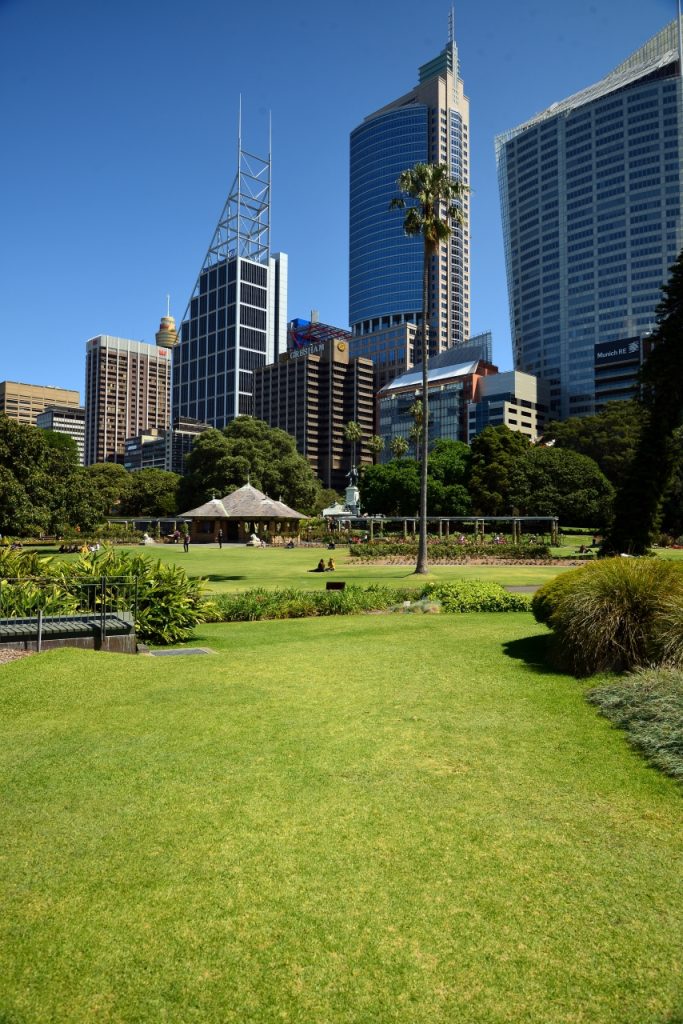
Economic Cycles And Urban Redevelopment – The Push And Pull Of Growth
Sydney’s economic landscape has always been shaped by alternating periods of expansion and contraction that influence how the city reinvents itself across decades, creating waves of construction, renewal, and shifting priorities that leave visible marks on its streets and skylines. When the economy strengthens, investment flows into commercial towers, transport upgrades, and residential developments that reshape neighbourhoods and alter the rhythm of daily life. During downturns, projects slow or stall, prompting governments and planners to reconsider strategies, redirect funding, and adjust long-term visions for the city’s growth. These cycles influence employment patterns, drawing workers into new industries or pushing them toward emerging sectors that reflect global economic trends.
Redevelopment often targets older industrial areas, transforming them into residential or commercial precincts that reflect contemporary needs and expectations. Economic booms encourage innovation in architecture, infrastructure, and public spaces, while recessions highlight vulnerabilities in housing, transport, and affordability. The financial sector plays a major role in shaping Sydney’s identity, as global markets influence local decisions and investment flows. Tourism contributes to economic cycles as well, with fluctuations in international travel affecting hospitality, retail, and cultural institutions.
Government policy responds to these shifts by adjusting planning regulations, zoning laws, and development incentives that guide the city’s evolution. Economic cycles also influence migration patterns, attracting new residents during prosperous periods and slowing growth during uncertain times. These forces collectively shape Sydney’s long-term trajectory, ensuring that change remains a constant feature of its development. Urban redevelopment becomes both a response to economic pressures and a catalyst for further transformation, reinforcing the city’s dynamic character.
Table – Economic Forces Shaping Sydney’s Redevelopment
| Economic Force | Influence On Change |
|---|---|
| Growth Cycles | Drives construction and investment |
| Recessions | Slows development and shifts priorities |
| Financial Sector | Shapes CBD expansion and employment |
| Tourism | Influences retail and hospitality growth |
| Government Policy | Adjusts planning and zoning strategies |
Technological Innovation And Connectivity – The Digital Pulse Of A Changing City
Sydney’s transformation in the digital era is driven by rapid technological innovation that reshapes how people work, communicate, travel, and interact with the city around them, creating new expectations for efficiency, accessibility, and connectivity. The rise of digital industries has diversified the economy, attracting global companies and fostering local startups that contribute to a culture of innovation and experimentation. High-speed internet and mobile technology have altered daily routines, enabling remote work, online commerce, and new forms of social engagement that influence how residents use public and private spaces. Smart infrastructure initiatives aim to improve transport systems, energy networks, and public services through data-driven decision-making and automated technologies.
Digital mapping and navigation tools have changed how people move through the city, influencing traffic patterns and public transport usage. Technological advances in construction and engineering have enabled new architectural possibilities, allowing for taller buildings, more efficient materials, and environmentally conscious design. The growth of digital culture has expanded creative industries, supporting film, gaming, design, and media sectors that contribute to Sydney’s cultural identity.
Technology also influences education, with digital classrooms and online learning reshaping how students access information and interact with teachers. Healthcare has been transformed by telehealth, digital records, and advanced medical technologies that improve accessibility and outcomes. Cybersecurity has become a critical concern, prompting investment in systems that protect businesses, institutions, and individuals from digital threats. The digital divide remains a challenge, as not all communities have equal access to technology, creating disparities in opportunity and participation. Sydney’s future will continue to be shaped by technological innovation, as new tools and systems redefine what it means to live in a modern, connected city.
Points – How Technology Drives Sydney’s Change
- Digital industries expanding economic diversity
- Smart infrastructure improving public services
- Remote work reshaping daily routines and transport patterns
- Digital culture influencing creative industries
- Cybersecurity becoming essential to modern governance
Environmental Pressures And Climate Realities – Forces Reshaping Sydney’s Future
Sydney’s ongoing transformation is increasingly shaped by environmental pressures that influence how the city adapts to changing climate conditions, coastal vulnerabilities, and ecological responsibilities that grow more urgent each decade. Rising sea levels threaten low-lying suburbs and waterfront infrastructure, prompting planners to reconsider long-term strategies for resilience and protection.
Extreme weather events, including heatwaves and intense rainfall, place stress on transport systems, energy networks, and public health services, requiring new approaches to emergency management and urban design. Bushfire smoke and air quality concerns highlight the interconnectedness of regional ecosystems and metropolitan life, demonstrating how environmental events beyond the city’s boundaries can significantly affect daily routines. Water scarcity and drought cycles influence decisions about dams, desalination plants, and sustainable water use, shaping how residents and industries manage essential resources.
Biodiversity loss in surrounding bushland and coastal habitats raises concerns about ecological balance, prompting conservation efforts that aim to protect native species and restore damaged environments. Urban heat island effects intensify as development increases, encouraging the expansion of green spaces, tree canopies, and climate-sensitive architecture.
Environmental policy becomes a major driver of change, influencing building codes, transport planning, and energy strategies that aim to reduce emissions and improve sustainability. Public awareness of environmental issues grows as communities experience the direct impacts of climate change, leading to increased advocacy and participation in local decision-making. Coastal erosion reshapes beaches and shorelines, altering recreational spaces and prompting engineering interventions to stabilise vulnerable areas. Renewable energy initiatives, including solar adoption and emerging technologies, contribute to shifts in how the city powers homes, businesses, and public infrastructure. These environmental pressures collectively shape Sydney’s evolution, ensuring that climate realities remain central to future planning and transformation.
Table – Environmental Forces Driving Sydney’s Change
| Environmental Factor | Influence On Sydney |
|---|---|
| Sea Level Rise | Threatens coastal suburbs and infrastructure |
| Extreme Weather | Impacts transport, health, and energy systems |
| Water Scarcity | Shapes resource management strategies |
| Urban Heat | Encourages green space expansion |
| Biodiversity Loss | Prompts conservation and restoration efforts |
Cultural Shifts And Social Movements – The Changing Identity Of A Modern City
Sydney’s cultural landscape evolves through social movements, artistic expression, and shifting community values that influence how people understand identity, belonging, and public life across the city. Artistic communities contribute to cultural change by introducing new forms of expression, challenging traditional norms, and transforming neighbourhoods into creative hubs that attract diverse audiences. Social movements advocating for equality, justice, and representation reshape public discourse, influencing policy decisions and community expectations about fairness and inclusion.
Changing attitudes toward gender, sexuality, and family structures reflect broader societal transformations that influence how public spaces, workplaces, and institutions operate. Cultural festivals and public events celebrate diversity, reinforcing Sydney’s identity as a city shaped by many traditions, languages, and histories. Media and digital platforms amplify cultural conversations, allowing communities to share stories, organise events, and influence public opinion in ways that were not possible in earlier decades. Shifts in generational values contribute to evolving priorities, with younger residents emphasising sustainability, social justice, and cultural openness.
Neighbourhoods change as cultural preferences influence housing demand, nightlife, and community activities, creating new patterns of urban vibrancy. Public art and architecture reflect contemporary values, transforming streetscapes into expressions of collective identity and historical memory.
Cultural institutions adapt to changing expectations by expanding programs, diversifying collections, and engaging with broader audiences. Education systems incorporate new perspectives, ensuring that cultural understanding evolves alongside demographic change. These cultural shifts collectively shape Sydney’s identity, ensuring that the city remains dynamic, expressive, and responsive to the values of its residents.
Points – Cultural Forces Transforming Sydney
- Artistic communities reshaping neighbourhood identity
- Social movements influencing public policy and expectations
- Changing attitudes toward gender and family structures
- Cultural festivals reinforcing diversity and belonging
- Digital platforms amplifying cultural expression
Transportation Evolution And Urban Mobility – Movement As A Catalyst For Change
Sydney’s transformation is deeply influenced by the evolution of its transportation systems, which determine how people navigate the city, access opportunities, and connect with surrounding regions. The expansion of rail networks has historically shaped suburban growth, enabling residents to live farther from the city centre while maintaining access to employment and services. Road infrastructure has evolved in response to increasing car ownership, prompting the construction of motorways, tunnels, and bridges that alter traffic patterns and reshape urban form. Public transport upgrades, including new metro lines and light rail systems, aim to reduce congestion and improve accessibility, reflecting changing priorities in urban mobility. Cycling infrastructure expands as attitudes shift toward sustainable transport, encouraging healthier and more environmentally conscious travel habits.
Technological innovations such as real-time tracking, contactless payment systems, and integrated transport apps improve user experience and influence how people plan their journeys. Transport-oriented development reshapes neighbourhoods around major stations, creating new hubs of activity that blend housing, retail, and public spaces. Freight and logistics networks adapt to growing demand, influencing industrial land use and regional connectivity. Environmental concerns drive investment in electric vehicles, charging infrastructure, and low-emission public transport fleets that reduce the city’s carbon footprint.
Population growth increases pressure on existing systems, prompting long-term planning to accommodate future demand. Transport policy becomes a major driver of urban change, influencing land use, housing density, and economic development. Sydney’s mobility landscape continues to evolve, ensuring that transportation remains a central force in shaping the city’s future.
Table – Transport Forces Influencing Sydney’s Change
| Transport Factor | Impact On The City |
|---|---|
| Rail Expansion | Shapes suburban growth |
| Motorway Development | Alters traffic patterns |
| Metro And Light Rail | Improves accessibility |
| Cycling Infrastructure | Encourages sustainable travel |
| Electric Transport | Reduces emissions and pollution |
Housing Dynamics And Urban Density – The Pressures Of A Growing Population
Sydney’s housing landscape undergoes constant transformation as population growth, economic pressures, and shifting lifestyle preferences influence how and where people choose to live across the metropolitan region. Rising demand for housing drives the construction of high-density developments, particularly around transport hubs and inner-city precincts where land is limited and accessibility is high.
Suburban expansion continues as families seek larger homes and more affordable options, extending the city’s boundaries and increasing reliance on transport infrastructure. Housing affordability challenges shape public debate, influencing government policy on zoning, development incentives, and social housing provision. Architectural trends evolve in response to changing expectations, with sustainable design, communal spaces, and mixed-use developments becoming increasingly common. Demographic shifts, including smaller household sizes and ageing populations, influence the types of housing required to meet diverse needs. Urban renewal projects transform older industrial or low-density areas into vibrant residential communities, altering neighbourhood character and economic activity. Short-term rental markets influence housing availability, prompting discussions about regulation and community impact.
Environmental considerations shape building standards, encouraging energy-efficient materials and climate-responsive design. Cultural preferences influence housing demand, with different communities valuing proximity to schools, cultural institutions, or employment centres. Housing dynamics remain one of the most powerful forces shaping Sydney’s physical form, influencing everything from skyline silhouettes to suburban street patterns. These pressures ensure that housing remains central to Sydney’s ongoing transformation.
Points – Housing Forces Driving Sydney’s Change
- Population growth increasing demand for diverse housing types
- High-density development reshaping inner-city precincts
- Suburban expansion extending metropolitan boundaries
- Affordability challenges influencing policy and planning
- Urban renewal transforming older neighbourhoods

Governance, Policy, And Planning Decisions – The Framework Behind Sydney’s Shifts
Sydney’s transformation is heavily influenced by governance structures that determine how land is used, how infrastructure is funded, and how communities are supported through periods of growth and change. Planning authorities shape the city’s evolution by setting zoning rules that determine where housing, industry, and commercial activity can occur, influencing the character of entire districts.
Government investment in transport, health, and education infrastructure alters the distribution of opportunity across the metropolitan region, creating new centres of activity and shifting population patterns. Policy decisions about environmental protection influence how natural landscapes are preserved, restored, or developed, shaping the balance between built and natural environments.
Economic policies determine how businesses operate, how employment is distributed, and how industries adapt to global trends, influencing the city’s long-term resilience. Social policies affect access to housing, healthcare, and community services, shaping the lived experience of residents across different socioeconomic backgrounds. Political debates influence the pace and direction of change, with competing visions for density, sustainability, and heritage preservation shaping public discourse. Governance structures respond to demographic shifts by adjusting planning strategies to accommodate population growth, ageing communities, and changing household compositions.
Public consultation processes allow residents to influence decisions, ensuring that community voices contribute to shaping the city’s future. Regulatory frameworks guide construction standards, environmental performance, and urban design, influencing the quality and sustainability of new developments. Long-term strategic plans outline visions for future growth, integrating transport, housing, and environmental goals into cohesive frameworks. These governance and policy decisions collectively shape Sydney’s evolution, ensuring that change is guided by structured planning rather than occurring by chance.
Table – Governance Factors Influencing Sydney’s Change
| Governance Factor | Influence On Sydney |
|---|---|
| Zoning Rules | Shape land use and neighbourhood character |
| Infrastructure Funding | Determines distribution of services |
| Environmental Policy | Protects natural landscapes |
| Economic Regulation | Influences business activity |
| Strategic Planning | Guides long-term urban growth |
Education, Knowledge, And Workforce Shifts – The Intellectual Engines Of Transformation
Sydney’s evolution is deeply connected to changes in education systems, workforce skills, and knowledge industries that influence how the city competes in a globalised economy. Universities attract students from around the world, contributing to cultural diversity and driving innovation through research and collaboration. Shifts in workforce demand influence which industries grow, which decline, and how communities adapt to new economic realities. Education reforms shape how future generations learn, influencing literacy, digital skills, and critical thinking that prepare residents for emerging fields.
Knowledge industries such as technology, finance, and research reshape employment patterns, drawing workers into specialised sectors that require advanced training. International students contribute to economic activity, cultural exchange, and long-term migration patterns that influence demographic change. Workforce mobility increases as people move between suburbs, cities, and countries in search of opportunity, influencing housing demand and transport needs. Training programs adapt to new technologies, ensuring that workers can transition into evolving industries that require different skill sets. Research institutions contribute to scientific and technological breakthroughs that influence public policy, environmental management, and economic development.
Education also shapes cultural identity, influencing how communities understand history, diversity, and social responsibility. Workforce shifts alter the rhythm of daily life, influencing commuting patterns, business hours, and the distribution of economic activity across the city. These educational and workforce dynamics ensure that Sydney continues to evolve in response to global knowledge trends, positioning the city as a centre of innovation and opportunity.
Points – How Education And Workforce Trends Shape Sydney
- Universities attracting global talent and research investment
- Workforce shifts influencing industry growth and decline
- Education reforms preparing residents for emerging fields
- Knowledge industries reshaping employment patterns
- International students contributing to cultural and economic change
Tourism, Culture, And Global Visibility – External Forces Driving Internal Change
Sydney’s transformation is influenced by its global visibility as a destination for tourism, culture, and international engagement, shaping how the city presents itself to the world and how it responds to global expectations. Iconic landmarks such as the harbour, beaches, and cultural institutions attract millions of visitors each year, influencing economic activity and shaping public investment priorities.
Tourism drives demand for hospitality, retail, and entertainment, influencing the development of precincts that cater to international audiences. Cultural events and festivals showcase Sydney’s diversity, reinforcing its identity as a vibrant and inclusive city that embraces creativity and global exchange. International media coverage shapes perceptions of Sydney, influencing how the city is viewed by potential visitors, investors, and migrants. Global partnerships in business, education, and culture strengthen Sydney’s international connections, influencing economic and social development. Tourism pressures also create challenges, including congestion, environmental impact, and rising costs in popular areas, prompting discussions about sustainable tourism strategies.
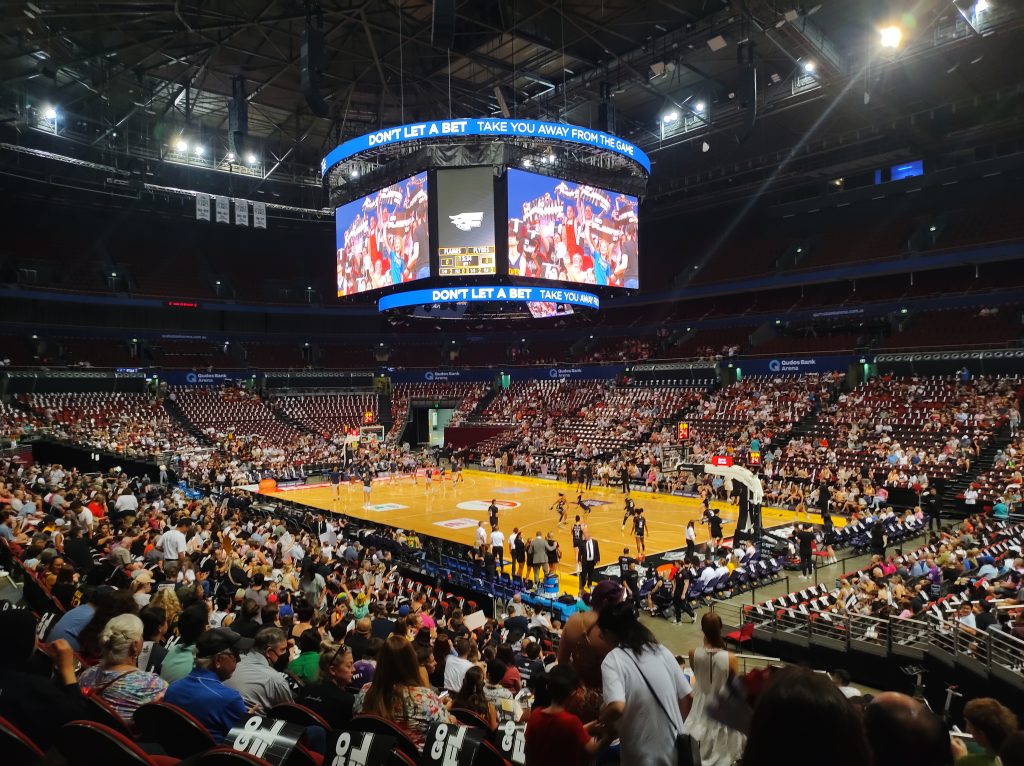
Cultural institutions adapt to global trends by expanding exhibitions, performances, and programs that appeal to diverse audiences. International sporting events bring global attention, influencing infrastructure investment and shaping civic pride. Tourism contributes to employment across multiple sectors, influencing workforce composition and economic resilience. Global visibility encourages innovation in design, hospitality, and public space activation, ensuring that Sydney remains competitive on the world stage. These external forces collectively shape Sydney’s evolution, ensuring that the city continues to adapt to global expectations and opportunities.
Table – Global Visibility Factors Influencing Sydney
| Global Factor | Influence On Sydney |
|---|---|
| Tourism | Drives economic activity and precinct development |
| Cultural Events | Reinforce identity and diversity |
| International Media | Shapes global perception |
| Global Partnerships | Strengthen economic and cultural ties |
| Sporting Events | Influence infrastructure and civic pride |
Demographic Change And Community Evolution – The Human Forces Behind Transformation
Sydney’s transformation is fundamentally shaped by demographic shifts that influence how communities form, evolve, and interact across the metropolitan region. Population growth increases demand for housing, transport, and services, prompting expansion into new suburbs and redevelopment of existing areas. Ageing populations influence healthcare needs, community services, and housing design, shaping how neighbourhoods support older residents. Younger generations bring different expectations for sustainability, technology, and lifestyle, influencing urban design and cultural trends.
Migration introduces new languages, traditions, and social networks, enriching community life and reshaping local identities. Household structures change over time, with more single-person households, blended families, and multigenerational living arrangements influencing housing demand. Birth rates and family patterns influence school planning, childcare services, and recreational spaces. Economic mobility affects where people live, with some communities experiencing gentrification while others face long-term disadvantage. Cultural preferences influence neighbourhood character, shaping the distribution of restaurants, shops, and community institutions.
Demographic diversity strengthens social resilience by fostering cross-cultural understanding and collaboration. Community organisations adapt to changing needs, providing support services, cultural programs, and advocacy that influence local decision-making. These demographic forces ensure that Sydney remains a dynamic and evolving city shaped by the people who call it home.
Points – Demographic Forces Driving Sydney’s Change
- Population growth increasing demand for services and housing
- Ageing communities influencing healthcare and design
- Younger generations shaping sustainability and lifestyle trends
- Migration enriching cultural identity and community life
- Economic mobility influencing neighbourhood evolution
Conclusion – Understanding Why Sydney Continues To Change
Sydney’s evolution is the result of countless interconnected forces that shape its identity, structure, and future across generations, ensuring that the city remains dynamic, resilient, and responsive to shifting conditions. Environmental pressures demand adaptation and innovation, influencing how the city prepares for climate realities and ecological responsibilities. Economic cycles drive redevelopment, investment, and transformation, shaping the built environment and influencing employment patterns.
Cultural shifts redefine community identity, artistic expression, and social values, ensuring that Sydney remains vibrant and inclusive. Technological innovation reshapes daily life, infrastructure, and global competitiveness, positioning the city at the forefront of digital transformation. Governance and policy decisions guide long-term planning, ensuring that growth is structured, sustainable, and equitable.
Demographic change influences how communities form, evolve, and interact, shaping the social fabric of the city. Global visibility connects Sydney to international networks, influencing tourism, investment, and cultural exchange. Housing dynamics determine how people live, where they settle, and how neighbourhoods evolve across time. Transport systems influence mobility, accessibility, and the distribution of opportunity across the metropolitan region. Education and workforce shifts shape economic resilience and intellectual growth, ensuring that Sydney remains competitive in a globalised world. These forces collectively explain why Sydney continues to change, demonstrating that transformation is not only inevitable but essential to the city’s ongoing vitality and identity.
Join The Discussion – Share Your Perspective
Sydney’s transformation is shaped by the people who experience it every day, and your perspective adds depth to the ongoing conversation about how the city evolves and where it should head next. What forces do you believe will shape Sydney’s future most strongly, and how do you see the city adapting to the challenges and opportunities ahead?
#SydneyChange #UrbanEvolution #CityIdentity #CulturalTransformation #FutureSydney


