
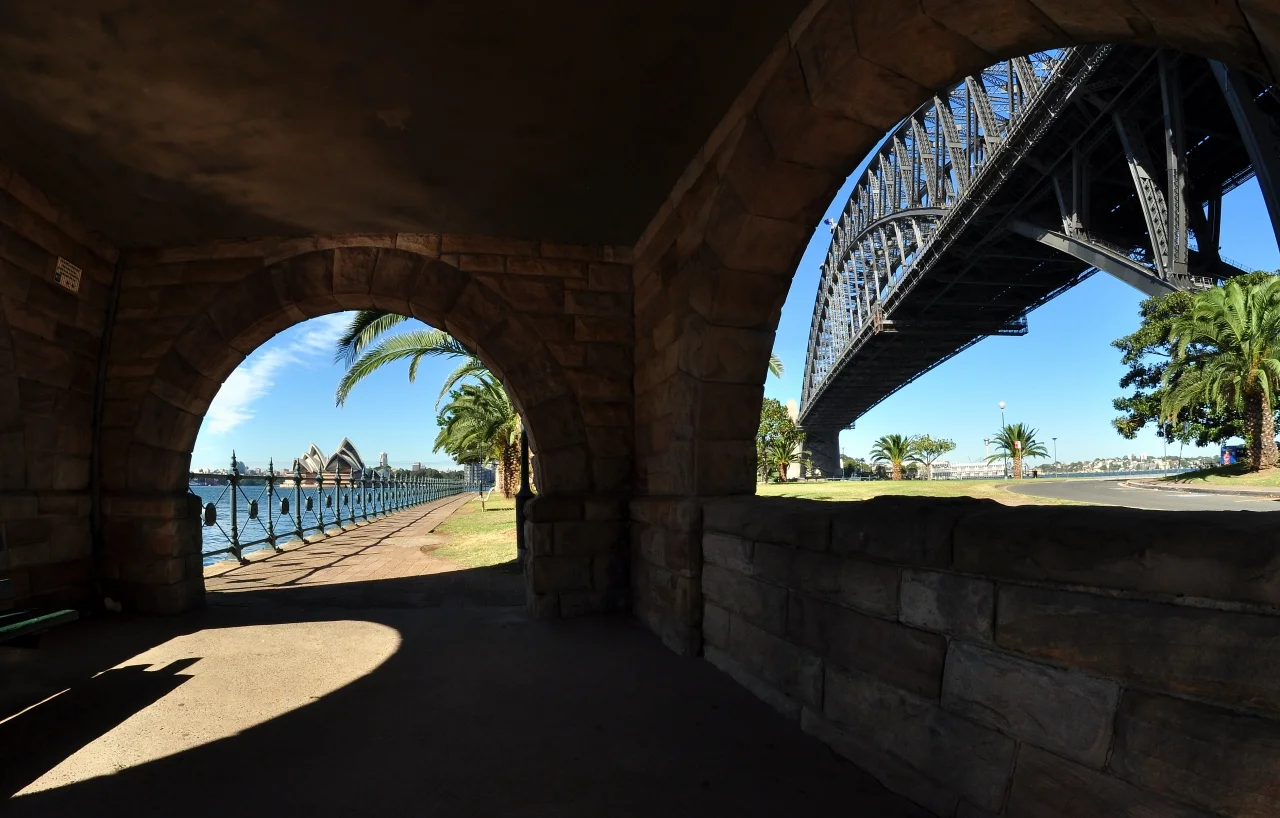
Powerful Changing Story Of Sydney History Transformation
Understanding Sydney’s Historical Transformation
Sydney History – From Ancient Roots To Modern Metropolis
Sydney history is a layered narrative that stretches from tens of thousands of years of Indigenous presence to its current role as a global city. The land was first inhabited by Aboriginal peoples, including the Eora, Darug, and Dharawal nations, whose cultural traditions shaped the region long before European arrival. The city’s transformation began in 1788 with the establishment of a British penal colony, which introduced new systems of governance, architecture, and trade.
Over time, Sydney evolved through waves of migration, industrial expansion, and cultural diversification. Each era brought distinct changes, from the gold rushes of the nineteenth century to the post-war boom of the twentieth century. Today, Sydney stands as a cosmopolitan hub, reflecting both its Indigenous heritage and its colonial legacy.
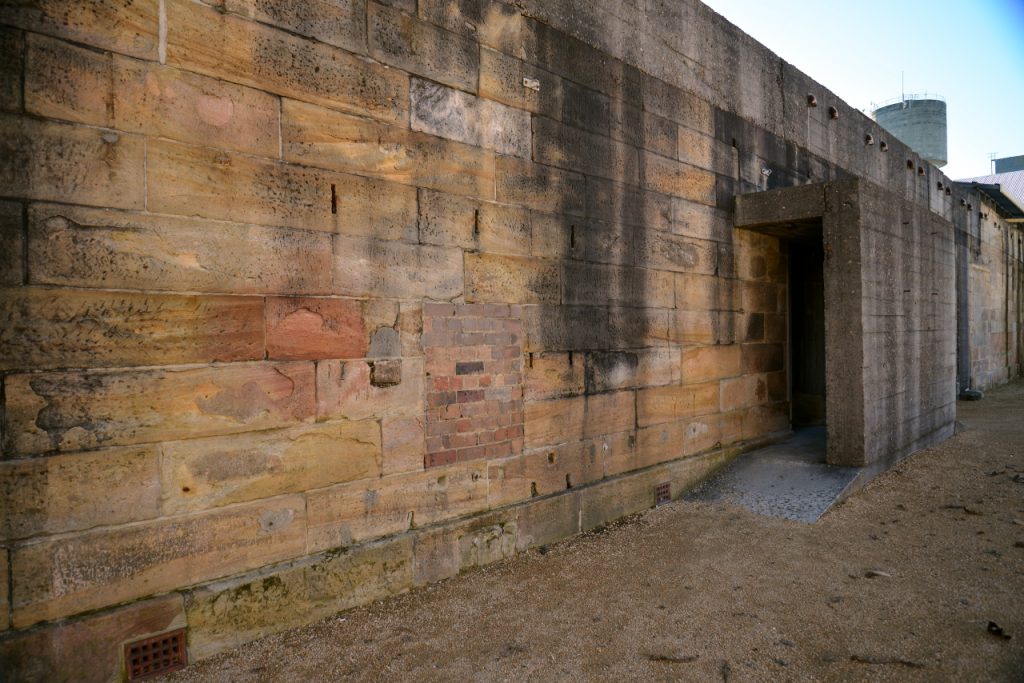
Indigenous Foundations – The First Custodians Of Sydney
Sydney’s earliest history is defined by the presence of Aboriginal Australians, who lived in the region for at least 30,000 years. The Eora people, particularly the Gadigal clan, occupied the area around Sydney Harbour, sustaining themselves through fishing, hunting, and gathering. Their cultural practices included rock engravings, ceremonial gatherings, and complex kinship systems. The land was not simply a resource but a spiritual entity, deeply tied to Dreamtime stories and ancestral connections.
This Indigenous foundation shaped the landscape long before European colonization disrupted traditional ways of life. Archaeological evidence, such as shell middens and stone tools, continues to testify to this enduring presence. The resilience of Aboriginal communities remains central to Sydney’s identity, even as the city has expanded into a modern metropolis.
Table – Key Aspects Of Indigenous Sydney
| Aspect | Detail |
|---|---|
| Primary Nations | Eora, Darug, Dharawal |
| Timeframe | At least 30,000 years |
| Practices | Fishing, hunting, gathering |
| Cultural Sites | Rock engravings, middens |
| Beliefs | Dreamtime stories, spiritual land ties |
Colonial Beginnings – Establishment Of The Penal Colony
The arrival of the First Fleet in 1788 marked a turning point in Sydney’s history. Britain established Sydney Cove as a penal colony, intended to relieve overcrowded prisons at home. Convicts, soldiers, and administrators formed the early settlement, which struggled with food shortages and unfamiliar conditions. The colony gradually expanded, with agriculture introduced to sustain the population. Conflict with Indigenous peoples was frequent, as land dispossession disrupted traditional lifestyles. Despite hardships, the settlement laid the foundations of modern Sydney, including its street grid and early institutions. The penal era shaped Sydney’s identity as a place of both punishment and opportunity, setting the stage for later growth.
Points – Why The Penal Colony Changed Sydney
- Introduction of European governance and law
- Establishment of agriculture and permanent settlement
- Displacement of Indigenous communities
- Creation of long term infrastructure such as roads and housing
- Foundations for trade and commerce
Expansion Through The Nineteenth Century – Growth And Gold
Sydney’s nineteenth-century transformation was driven by migration and economic opportunity. The discovery of gold in the 1850s attracted thousands of settlers, reshaping the city’s demographics. Immigration from Britain, Ireland, and China diversified the population, while wealth from mining funded new buildings and institutions. Sydney’s port became a hub for trade, linking Australia to global markets. The city expanded beyond its original boundaries, with suburbs forming to accommodate growing populations. Social tensions emerged, including class divisions and racial conflicts, yet the overall trajectory was one of rapid growth. This period established Sydney as a thriving colonial capital, increasingly connected to the wider world.
Table – Nineteenth-Century Sydney Developments
| Development | Impact |
|---|---|
| Gold Rush | Population surge, wealth influx |
| Immigration | Cultural diversity, labor supply |
| Port Expansion | Trade growth |
| Suburban Growth | Urban sprawl |
| Social Tensions | Class and racial divisions |
Federation And Early Twentieth Century – Sydney As A Capital
Sydney’s role shifted again in 1901 when New South Wales joined the Australian Federation. The city became a state capital, consolidating its political and economic importance. Industrialization accelerated, with factories and railways reshaping the urban landscape. Population growth continued, driven by migration and natural increase. The early twentieth century also saw cultural developments, including the rise of sporting institutions and public education. Sydney’s skyline began to change, with new architectural styles reflecting modern aspirations. Despite challenges such as economic depression and war, Sydney emerged as a resilient city, increasingly central to Australia’s national identity.
Points – Why Federation Changed Sydney
- Recognition as a state capital
- Expansion of industry and transport networks
- Growth of public institutions and education
- Architectural modernization
- Integration into national governance
Post-War Transformation – Immigration And Modernization
After World War II, Sydney experienced another wave of transformation. Immigration policies welcomed people from Europe and later Asia, diversifying the city’s cultural fabric. Infrastructure projects, including the Sydney Harbour Bridge and Opera House, symbolized modernization and global ambition. Economic growth fueled suburban expansion, with car ownership reshaping urban mobility. Social changes included greater participation of women in the workforce and evolving cultural norms. Sydney became a city of contrasts, balancing heritage with innovation. This post-war era laid the groundwork for Sydney’s emergence as a global metropolis.
Table – Post-War Sydney Highlights
| Highlight | Detail |
|---|---|
| Immigration | European and Asian arrivals |
| Infrastructure | Harbour Bridge, Opera House |
| Economy | Rapid growth, suburban expansion |
| Social Change | Workforce diversity |
| Identity | Global ambitions |
Contemporary Sydney – A Global City
Sydney today is a cosmopolitan hub with over five million residents. Its economy is driven by finance, technology, and tourism, while its cultural life thrives through festivals, museums, and sporting events. The city continues to grapple with challenges such as housing affordability and environmental sustainability. Indigenous heritage is increasingly recognized, with efforts to preserve cultural sites and promote reconciliation. Sydney’s skyline reflects modern architecture, yet historic buildings remain integral to its character. The city’s transformation is ongoing, shaped by global trends and local resilience. Sydney’s history demonstrates that change is constant, driven by social, economic, and cultural forces.
Points – Why Sydney Keeps Changing
- Global economic integration
- Cultural diversification
- Recognition of Indigenous heritage
- Urban development pressures
- Environmental sustainability challenges
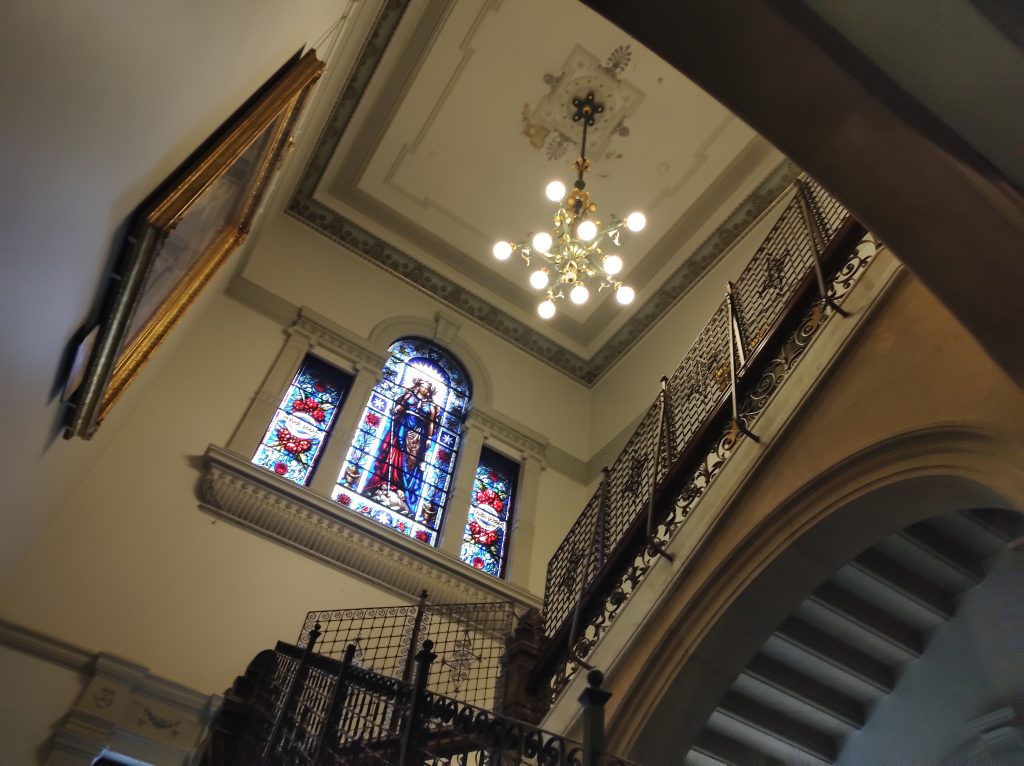
The Industrial Age – Factories And Urban Growth
Sydney’s industrial age reshaped the city’s economy and physical landscape. Factories emerged across inner suburbs, producing textiles, machinery, and consumer goods. Railways and tram systems expanded, linking workers to industrial hubs and enabling suburban growth. The city’s population surged, with working-class communities forming around industrial districts. Pollution and overcrowding became pressing issues, yet industrialization also brought employment and economic opportunity. Sydney’s skyline began to change, with warehouses and smokestacks dominating certain areas. This era marked a transition from a colonial settlement to a modern industrial city, laying the groundwork for future urban planning.
Table – Industrial Sydney Characteristics
| Feature | Impact |
|---|---|
| Factories | Increased employment, economic growth |
| Railways | Expanded transport, suburban development |
| Population Growth | Formation of working-class districts |
| Pollution | Environmental challenges |
| Urban Planning | Early attempts at regulation |
Cultural Flourishing – Arts And Identity
Sydney’s cultural identity expanded during the late nineteenth and early twentieth centuries. Theatres, galleries, and libraries were established, reflecting a growing appreciation for the arts. Sporting institutions such as cricket and rugby became central to community life, reinforcing social cohesion. Immigration introduced new cultural traditions, enriching Sydney’s diversity. Festivals and public events showcased the city’s evolving identity, blending colonial heritage with emerging Australian nationalism. The arts provided a platform for political and social commentary, influencing public opinion. Sydney’s cultural flourishing highlighted the importance of creativity in shaping urban identity.
Points – Cultural Contributions To Sydney’s Change
- Establishment of theatres and galleries
- Growth of sporting institutions
- Immigration introducing new traditions
- Festivals reinforcing community identity
- Arts influencing political and social discourse
The Depression Era – Hardship And Resilience
The Great Depression of the 1930s brought severe economic hardship to Sydney. Unemployment soared, with many families struggling to afford basic necessities. Shantytowns appeared on the city’s fringes, symbolizing widespread poverty. Despite adversity, community solidarity grew, with grassroots movements advocating for workers’ rights. Public works projects provided limited relief, while political debates shaped future economic policies. The Depression left a lasting impact on Sydney’s social fabric, highlighting inequalities and resilience. This period underscored the vulnerability of urban economies to global crises.
Table – Depression Era Sydney
| Aspect | Detail |
|---|---|
| Unemployment | Widespread job losses |
| Poverty | Shantytowns on city fringes |
| Community | Grassroots solidarity |
| Government Response | Public works projects |
| Legacy | Highlighted inequality and resilience |
War And Reconstruction – Sydney In The Mid-Twentieth Century
World War II transformed Sydney into a strategic hub. Military installations and shipyards expanded, supporting the war effort. The city endured rationing and blackouts, yet also experienced technological innovation. Women entered the workforce in unprecedented numbers, reshaping gender roles. After the war, reconstruction focused on housing and infrastructure, addressing shortages caused by population growth. Immigration policies welcomed displaced persons from Europe, diversifying Sydney’s demographics. The war and its aftermath accelerated modernization, embedding Sydney within global networks.
Points – War And Reconstruction Impacts
- Expansion of military infrastructure
- Rationing and blackouts affecting daily life
- Women entering the workforce
- Post-war housing and infrastructure projects
- Immigration diversifying demographics
The Harbour Bridge Era – Engineering And Symbolism
The completion of the Sydney Harbour Bridge in 1932 symbolized engineering ambition and civic pride. The bridge connected the northern and southern shores, facilitating urban expansion. Its construction employed thousands during the Depression, providing economic relief. The bridge became an iconic landmark, representing Sydney’s modernization. Beyond transport, it embodied resilience and optimism during challenging times. The Harbour Bridge remains central to Sydney’s identity, celebrated in cultural events such as New Year’s Eve fireworks.
Table – Harbour Bridge Significance
| Feature | Impact |
|---|---|
| Construction | Employment during Depression |
| Connectivity | Linked northern and southern suburbs |
| Symbolism | Modernization and civic pride |
| Landmark | Iconic global image |
| Cultural Role | Celebrated in public events |
The Opera House Era – Global Recognition
The Sydney Opera House, completed in 1973, elevated Sydney’s global profile. Designed by Danish architect Jørn Utzon, its innovative design symbolized creativity and ambition. The Opera House became a cultural hub, hosting performances across music, theatre, and dance. Its construction reflected both controversy and triumph, with debates over cost and design. Ultimately, the building became a UNESCO World Heritage site, reinforcing Sydney’s international reputation. The Opera House embodies the city’s embrace of modern architecture and cultural leadership.
Points – Opera House Contributions
- Innovative architectural design
- Cultural hub for performances
- Symbol of creativity and ambition
- UNESCO World Heritage recognition
- Elevated Sydney’s global profile
Immigration Waves – Diversity And Transformation
Sydney’s identity has been reshaped by successive waves of immigration. Post-war arrivals from Europe introduced new cultural traditions, cuisines, and languages. Later immigration from Asia and the Middle East further diversified the city. Multiculturalism became a defining feature, influencing education, politics, and community life. Ethnic enclaves formed across suburbs, creating vibrant cultural landscapes. Immigration policies reflected broader social debates, yet overall enriched Sydney’s identity. Diversity remains central to Sydney’s ongoing transformation.
Table – Immigration Impacts
| Wave | Contribution |
|---|---|
| European Post-War | Cultural traditions, cuisines |
| Asian Immigration | Economic and educational influence |
| Middle Eastern | Religious and cultural diversity |
| Multiculturalism | Policy and community identity |
| Suburban Enclaves | Vibrant cultural landscapes |

Economic Boom – Sydney In The Late Twentieth Century
Sydney’s late twentieth century was defined by economic expansion and modernization. The financial sector grew rapidly, with the city emerging as Australia’s leading hub for banking and commerce. Skyscrapers transformed the central business district, symbolizing prosperity and ambition. Infrastructure projects improved transport, including expanded highways and public transit systems. Tourism flourished, with Sydney’s beaches and landmarks attracting international visitors. The city’s cultural life expanded, with festivals, museums, and sporting events reinforcing its global identity. Economic growth also brought challenges, including rising housing costs and environmental pressures. Sydney’s boom period highlighted both opportunity and inequality, shaping debates about urban planning and sustainability.
Table – Late Twentieth Century Sydney
| Aspect | Detail |
|---|---|
| Finance | Growth of banking and commerce |
| Architecture | Skyscrapers in CBD |
| Transport | Expanded highways and transit |
| Tourism | Beaches and landmarks attracting visitors |
| Challenges | Housing affordability, environmental concerns |
Environmental Awareness – Sydney’s Natural Challenges
Sydney’s history of change also reflects growing environmental awareness. Pollution from industry and transport prompted campaigns for cleaner air and water. The preservation of Sydney Harbour and surrounding national parks became central to civic identity. Coastal erosion and urban sprawl highlighted the fragility of natural systems. Environmental movements gained momentum, advocating for sustainable development and conservation. Government policies introduced protections for heritage sites and ecosystems. Sydney’s identity increasingly incorporated environmental stewardship, balancing growth with preservation. This awareness continues to shape debates about climate change and urban sustainability.
Points – Environmental Influences On Sydney’s Change
- Pollution prompting campaigns for cleaner air and water
- Preservation of harbour and national parks
- Coastal erosion highlighting fragility of natural systems
- Environmental movements advocating sustainability
- Policies protecting heritage and ecosystems
Global Events – Sydney On The World Stage
Sydney’s role as a global city was reinforced by hosting international events. The 2000 Olympic Games showcased Sydney’s capacity for organization and cultural celebration. Infrastructure improvements, including stadiums and transport upgrades, left lasting legacies. The Games highlighted Sydney’s multicultural identity, with athletes and visitors from around the world. Global events reinforced Sydney’s reputation as a vibrant, welcoming city. They also stimulated economic activity, boosting tourism and investment. Sydney’s participation in global events reflects its transformation from colonial outpost to international metropolis.
Table – Sydney And Global Events
| Event | Impact |
|---|---|
| 2000 Olympics | Infrastructure upgrades, global recognition |
| Cultural Festivals | Showcased diversity |
| International Conferences | Reinforced global role |
| Tourism | Boosted economy |
| Legacy | Strengthened civic pride |
Digital Transformation – Technology And Connectivity
Sydney’s recent history has been shaped by digital transformation. The rise of technology industries has diversified the economy, with startups and global firms establishing headquarters. Connectivity through the internet has reshaped commerce, education, and communication. Smart city initiatives aim to improve transport, energy, and public services. Digital culture influences social life, from online communities to creative industries. Sydney’s identity increasingly reflects its role as a technology hub. Yet digital transformation also raises challenges, including cybersecurity and digital inequality. The city’s future will depend on balancing innovation with accessibility.
Points – Digital Transformation In Sydney
- Growth of technology industries
- Internet reshaping commerce and communication
- Smart city initiatives improving services
- Digital culture influencing social life
- Challenges of cybersecurity and inequality
Contemporary Challenges – Housing And Sustainability
Sydney’s ongoing transformation faces pressing challenges. Housing affordability has become a major issue, with demand outstripping supply. Urban sprawl raises questions about transport and infrastructure. Climate change impacts, including rising sea levels and extreme weather, threaten coastal communities. Sustainability initiatives aim to reduce emissions and promote renewable energy. Social inequality remains a concern, with disparities in access to housing and services. Sydney’s future depends on addressing these challenges while preserving its cultural and environmental heritage.
Table – Contemporary Challenges In Sydney
| Challenge | Detail |
|---|---|
| Housing | Affordability crisis |
| Transport | Infrastructure pressures |
| Climate Change | Rising sea levels, extreme weather |
| Sustainability | Renewable energy initiatives |
| Inequality | Disparities in housing and services |
Reflection – Why Sydney’s History Keeps Changing
Sydney’s history changes because it is shaped by dynamic forces. Migration introduces new cultures and traditions. Economic cycles bring prosperity and hardship. Global events connect Sydney to international networks. Environmental pressures demand adaptation and stewardship. Technological innovation reshapes daily life and urban planning. Each factor contributes to Sydney’s evolving identity, ensuring that change is constant. Understanding these forces helps explain why Sydney has transformed so dramatically over the years.
Points – Reasons For Sydney’s Historical Change
- Migration introducing diversity
- Economic cycles shaping prosperity and hardship
- Global events connecting Sydney internationally
- Environmental pressures demanding adaptation
- Technological innovation reshaping identity
Conclusion – Sydney’s Ongoing Journey
Sydney’s history is a story of transformation, resilience, and adaptation. From Indigenous foundations to colonial beginnings, from industrial growth to digital innovation, each era has reshaped the city’s identity. The reasons for change are varied, including migration, economy, environment, and technology. Sydney’s journey reflects both challenges and opportunities, balancing heritage with modernization. Its future will continue to evolve, shaped by global trends and local resilience. Sydney’s history demonstrates that change is not only inevitable but essential to growth.
Join The Discussion – Share Your Perspective
Sydney’s transformation belongs to everyone who has lived, worked, or visited the city. How do you see its history shaping its future?
#SydneyHistory #UrbanChange #CulturalIdentity #GlobalCity #Sustainability


Excellent work! Looking forward to future posts.
Thanks for making this easy to understand even without a background in it.
You really know how to connect with your readers.
Thanks for sharing your knowledge. This added a lot of value to my day.
The way you write feels personal and authentic.
I enjoyed your perspective on this topic. Looking forward to more content.
This made me rethink some of my assumptions. Really valuable post.
I appreciate your unique perspective on this.