
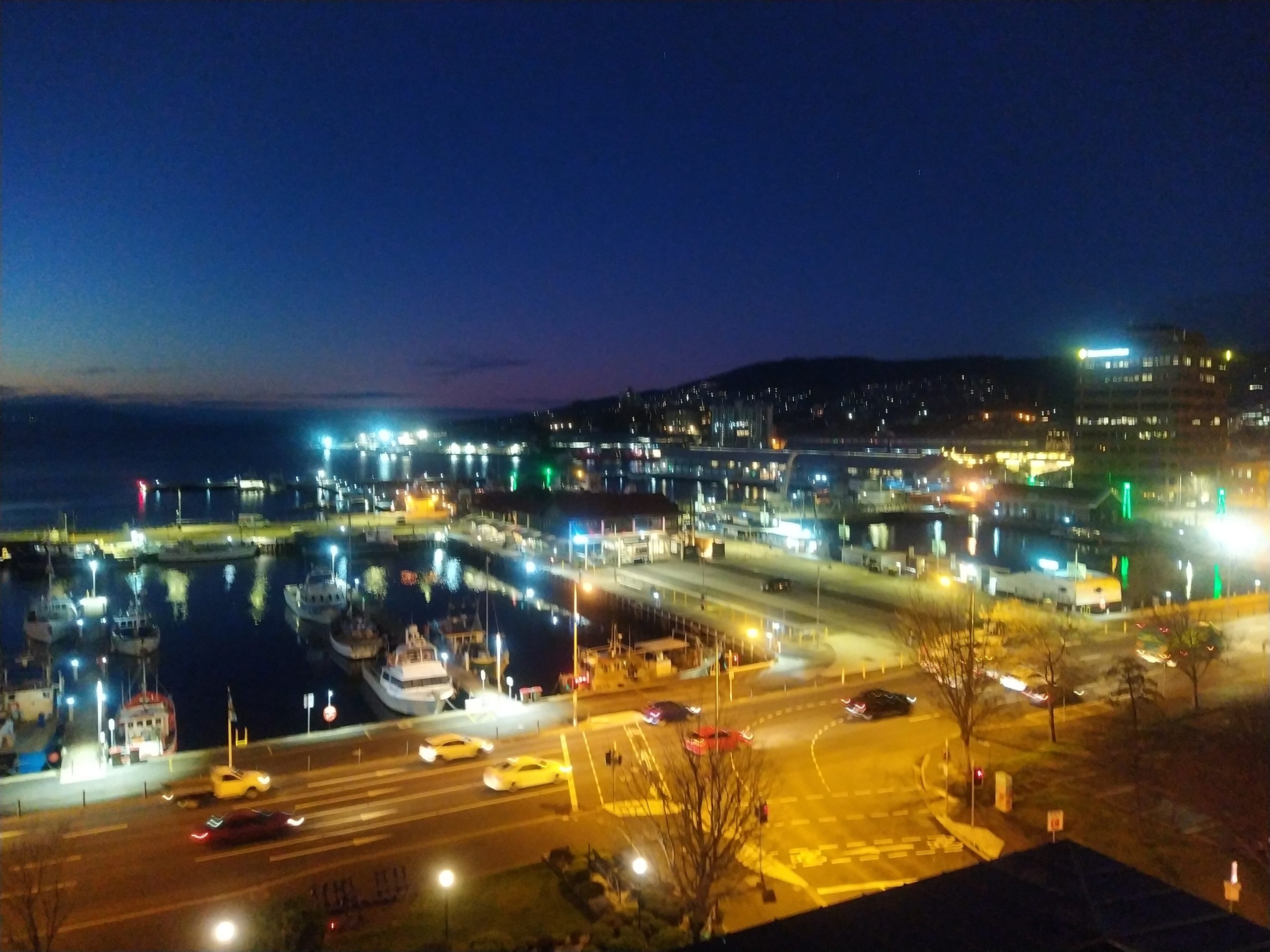
Amazing Hobart History Of Arts And Traditions
Amazing Hobart History- The Story Of A Southern Capital
Hobart, the capital of Tasmania, is one of Australia’s oldest cities, founded in 1804 as a British settlement. Its origins are deeply tied to both Indigenous heritage and colonial expansion, making its history layered and complex. The Mouheneener people, part of the larger Palawa community, lived in the region long before European arrival. When the British established Hobart Town, it was initially a penal colony, reflecting the broader colonial strategy of using Tasmania as a site for convict labor. Over time, Hobart grew into a thriving port city, shaped by maritime trade, whaling, and shipbuilding. Its location on the Derwent River provided natural advantages for commerce and defense.
The city’s development mirrored Australia’s broader transformation from penal roots to modern urban centers. Today, Hobart is celebrated for its preserved colonial architecture, cultural vibrancy, and natural surroundings. Exploring its history reveals how local and global forces intertwined to shape its identity.
Indigenous Heritage – The Palawa Presence
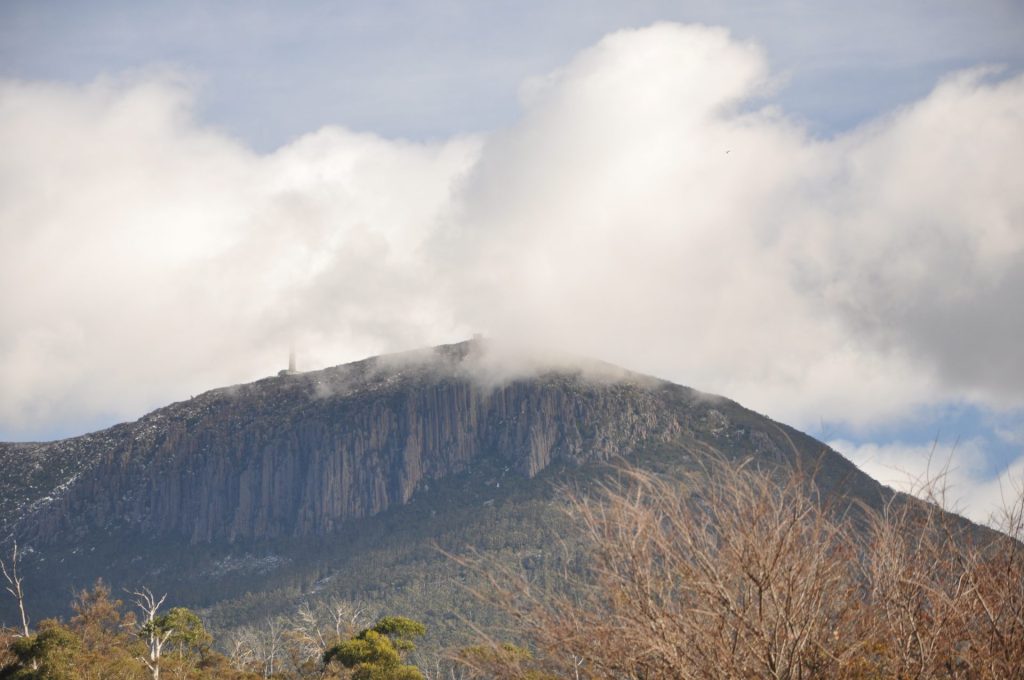
The Palawa people lived in Tasmania for thousands of years before European settlement, with the Mouheneener clan occupying the Hobart region. Their lifestyle was semi-nomadic, relying on seasonal hunting, fishing, and gathering. The Derwent River provided abundant resources, including shellfish and fish, which sustained communities. Mount Wellington, known to the Palawa as Kunanyi, held spiritual significance and shaped cultural practices. The arrival of Europeans disrupted these traditions, leading to displacement and conflict. Despite this, Palawa descendants continue to preserve language, traditions, and identity. Their heritage is now recognized as central to Hobart’s cultural fabric. Understanding this Indigenous presence is essential to appreciating Hobart’s full history.
| Aspect | Details |
|---|---|
| Main Group | Palawa (Mouheneener clan) |
| Key Resource | Derwent River fishing and shellfish |
| Sacred Landmark | Kunanyi – Mount Wellington |
| Lifestyle | Semi-nomadic, seasonal movement |
| Legacy | Language revival and cultural preservation |
Colonial Beginnings – Penal Foundations
Hobart was established in 1804 as a penal colony under British authority. The settlement was strategically chosen to counter French interest in the South Pacific. Convicts were transported from Sydney to form the new community. Early life was harsh, with limited supplies and strict discipline. The settlement grew around Sullivan’s Cove, which became the heart of Hobart. Convict labor built roads, wharves, and public buildings, laying the foundation for urban growth. The penal system shaped social structures and daily life. Over time, free settlers joined, diversifying the population. Hobart’s penal origins remain a defining feature of its early identity.
- Founded in 1804 as penal colony
- Location chosen for strategic defense
- Sullivan’s Cove as central hub
- Convict labor built infrastructure
- Harsh living conditions for convicts
- Free settlers later joined community
- Maritime trade began to expand
- French presence influenced settlement urgency
- Penal system shaped social order
- Foundations set for future growth
Maritime Expansion – The Port Of Hobart
Hobart’s deep-water port quickly became vital for trade and defense. The Derwent River allowed large ships to dock safely, boosting commerce. Whaling and sealing industries flourished in the 19th century, bringing wealth and employment. Shipbuilding also became a major industry, with skilled labor producing vessels for trade and exploration. Hobart’s port connected Tasmania to global markets, including Britain and Asia. The waterfront grew into a bustling hub of warehouses, docks, and markets. Maritime expansion transformed Hobart from a penal colony into a commercial city. The port’s success reinforced Hobart’s strategic importance in the region.
| Industry | Impact |
|---|---|
| Whaling | Major source of wealth in 19th century |
| Sealing | Expanded maritime trade networks |
| Shipbuilding | Created skilled labor and exports |
| Global Trade | Linked Hobart to Britain and Asia |
| Waterfront Growth | Warehouses and markets flourished |
Urban Growth – Architecture And Settlement
Colonial architecture remains a defining feature of Hobart. Georgian and Victorian buildings were constructed using convict labor and local sandstone. Sullivan’s Cove developed into the central business district, surrounded by government offices and warehouses. Residential areas expanded along the Derwent River, with suburbs forming on both sides. Churches, schools, and civic buildings reflected growing social institutions. Hobart’s architecture symbolized stability and progress. The city’s layout balanced commerce, governance, and community life. Expansion continued into the hills near Mount Wellington. Urban growth reflected Hobart’s transition from penal colony to thriving settlement.
- Georgian and Victorian architecture preserved
- Convict labor shaped construction
- Sullivan’s Cove as business hub
- Expansion along Derwent River
- Suburbs developed on both shores
- Civic buildings established authority
- Churches and schools built community
- Sandstone used in construction
- Mount Wellington influenced expansion
- Architecture reflected progress
Cultural Identity – Arts And Traditions
Hobart developed a strong cultural identity through arts, festivals, and traditions. The Salamanca Market became a centerpiece of local life, showcasing crafts and produce. The Theatre Royal, built in 1837, remains Australia’s oldest working theater. Music and literature flourished, reflecting both colonial and Indigenous influences. Hobart’s cultural scene grew with museums and galleries. The Museum of Old and New Art (MONA) later transformed Hobart into a global arts destination. Festivals such as Dark Mofo highlight creativity and innovation. Cultural identity reinforced Hobart’s reputation as more than a colonial city. Arts and traditions continue to shape its modern character.
| Institution | Significance |
|---|---|
| Salamanca Market | Local crafts and produce |
| Theatre Royal | Oldest working theater in Australia |
| MONA | Global arts destination |
| Dark Mofo | Festival of creativity |
| Indigenous Traditions | Language and heritage revival |
Industrial Development – Factories And Innovation
During the nineteenth century, Hobart began to industrialize, with factories and workshops emerging along the waterfront. Breweries and distilleries became prominent, producing goods for both local consumption and export. Textile mills and tanneries added to the industrial landscape, employing many workers. The city’s industrial base was supported by convict and free labor, creating a diverse workforce. Hobart’s industries benefited from access to raw materials such as timber and agricultural products. Innovation in machinery and production methods improved efficiency. Industrial growth contributed to Hobart’s economic stability and expansion. The factories also influenced urban planning, with neighborhoods forming around industrial sites. Pollution and environmental challenges accompanied industrialization, shaping later reforms. Hobart’s industrial history remains visible in preserved buildings and heritage sites.
| Industry | Contribution |
|---|---|
| Breweries | Produced beer for local and export markets |
| Distilleries | Created spirits and supported trade |
| Textile Mills | Provided clothing and employment |
| Tanneries | Processed leather for goods |
| Timber Processing | Supplied construction and shipbuilding |
Transportation Networks – Roads And Railways
Hobart’s growth required improved transportation systems to connect communities and industries. Convict labor built many of the early roads, linking the city to surrounding settlements. Bridges across the Derwent River expanded accessibility and trade. Railways were introduced in the late nineteenth century, connecting Hobart to northern Tasmania. The port remained central, but land transport diversified economic opportunities. Horse-drawn carriages and later motor vehicles transformed urban mobility. Public transport systems developed, including trams and buses. Transportation networks supported industrial and agricultural expansion. Improved infrastructure also encouraged tourism and migration. Hobart’s transportation history reflects adaptation to changing technologies and needs.
- Convict labor built early roads
- Bridges expanded river access
- Railways connected Hobart to northern Tasmania
- Port remained central to trade
- Horse-drawn carriages used in city
- Motor vehicles transformed mobility
- Trams introduced for public transport
- Buses expanded accessibility
- Infrastructure supported industry and agriculture
- Tourism benefited from improved networks
Educational Foundations – Schools And Learning
Education played a vital role in Hobart’s development. Early schools were established by religious groups, focusing on literacy and moral instruction. The government later expanded education, creating public schools across the city. Hobart Grammar School, founded in 1846, became one of Australia’s oldest institutions. The University of Tasmania was established in 1890, providing higher education opportunities. Education supported social mobility and professional growth. Schools reflected broader social changes, including gender equality and access for all communities. Indigenous education initiatives emerged in later years, addressing historical exclusion. Libraries and cultural institutions reinforced learning. Hobart’s educational foundations shaped its intellectual and civic identity.
| Institution | Year Established | Significance |
|---|---|---|
| Hobart Grammar School | 1846 | One of Australia’s oldest schools |
| University of Tasmania | 1890 | Provided higher education |
| Public Schools | 19th century | Expanded literacy and access |
| Libraries | 19th century | Supported community learning |
| Indigenous Education Programs | 20th century | Addressed historical exclusion |
Political Evolution – Governance And Reform
Hobart’s political history reflects Tasmania’s broader colonial and democratic journey. Initially governed by military officers, the settlement transitioned to civil administration. Local councils were established to manage urban affairs. The Tasmanian Parliament, formed in 1856, gave Hobart a central role in governance. Political reforms addressed issues such as land ownership and convict rights. Hobart became a center for debates on federation and national identity. Civic buildings symbolized authority and governance. Political evolution shaped Hobart’s role within Tasmania and Australia. The city’s governance balanced colonial traditions with democratic progress. Political history remains visible in institutions and public life.
- Military officers governed early settlement
- Transition to civil administration occurred
- Local councils managed urban affairs
- Tasmanian Parliament formed in 1856
- Land ownership reforms introduced
- Convict rights debated and reformed
- Federation discussions influenced Hobart
- Civic buildings symbolized authority
- Governance balanced tradition and progress
- Political history shaped public institutions
Scientific Exploration – Research And Discovery
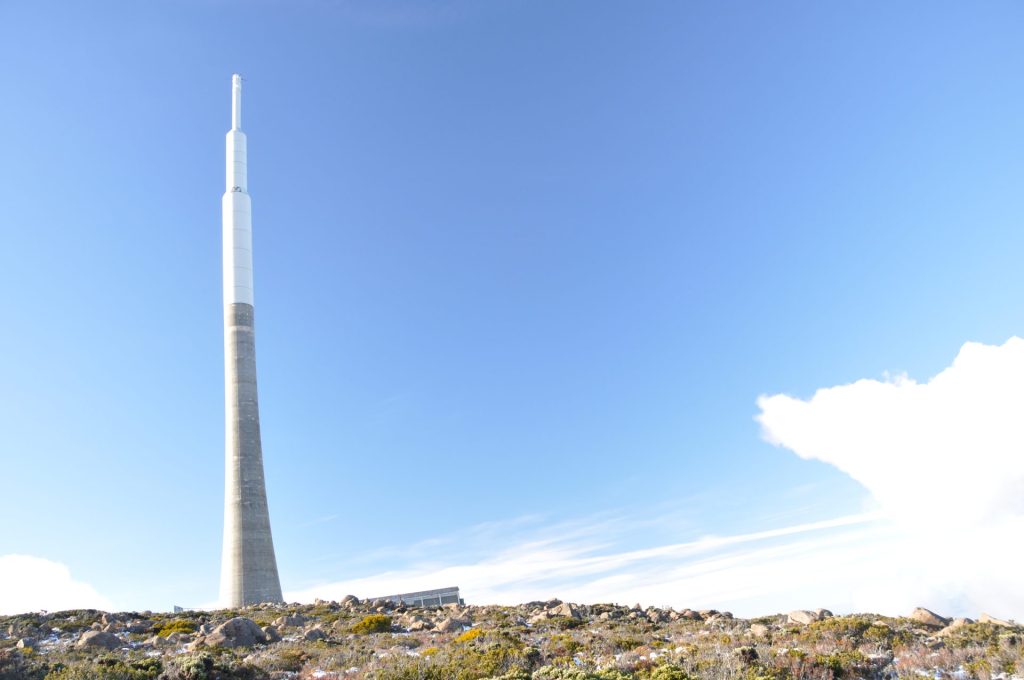
Hobart became a hub for scientific exploration, particularly in natural sciences. The Royal Society of Tasmania, founded in 1843, promoted research and knowledge. Scientists studied Tasmania’s unique flora and fauna, contributing to global understanding. Antarctic exploration also linked Hobart to international science. The city hosted expeditions and research institutions. Museums in Hobart are interesting and have preserved specimens and shared discoveries with the public. Scientific exploration reinforced Hobart’s intellectual reputation. Research influenced conservation and environmental awareness. Hobart’s scientific legacy continues through modern institutions. The city remains connected to global networks of knowledge and discovery.
| Institution | Contribution |
|---|---|
| Royal Society of Tasmania | Promoted scientific research |
| Antarctic Expeditions | Linked Hobart to global science |
| Museums | Preserved specimens and knowledge |
| Universities | Advanced research and education |
| Conservation Programs | Influenced environmental awareness |
Tourism Growth – Visitors And Attractions
Tourism became a major industry in Hobart during the twentieth century. Visitors were drawn to colonial architecture, natural landscapes, and cultural events. Mount Wellington offered panoramic views and hiking opportunities. The amazing waterfront attracts locals and tourists with markets and historic buildings. Festivals and arts events boosted Hobart’s reputation as a cultural destination. Cruise ships began docking at the port, increasing international tourism. Tourism supported local businesses and employment. Attractions highlighted Hobart’s blend of history and modernity. The industry reinforced Hobart’s global identity. Tourism growth continues to shape the city’s economy and culture.
- Colonial architecture attracted visitors
- Mount Wellington offered scenic views
- Waterfront markets became popular
- Festivals boosted cultural tourism
- Cruise ships increased international visitors
- Tourism supported local businesses
- Attractions blended history and modernity
- Employment grew in tourism sector
- Global identity reinforced by tourism
- Industry continues to expand
Environmental Awareness – Conservation And Protection
Hobart’s history is closely tied to its natural environment, with conservation becoming a major focus in the twentieth century. The city’s proximity to Mount Wellington and the Derwent River highlighted the need to protect landscapes. National parks and reserves were established to safeguard biodiversity. Environmental movements grew in response to industrial pollution and deforestation. Hobart became a center for ecological research and activism. Conservation programs emphasized sustainable development and heritage preservation. The city’s environmental awareness influenced tourism and community identity. Protecting natural resources became a civic priority. Hobart’s environmental legacy continues to shape policy and culture.
| Focus Area | Impact |
|---|---|
| Mount Wellington | Protected as natural landmark |
| Derwent River | Conservation of water quality |
| National Parks | Safeguarded biodiversity |
| Environmental Movements | Raised awareness of sustainability |
| Heritage Preservation | Balanced development with protection |
Religious Influence – Faith And Community
Religion played a significant role in Hobart’s social development. Churches were among the earliest public buildings constructed by settlers. Anglican, Catholic, and Methodist congregations established strong communities. Religious institutions provided education, charity, and social support. Faith shaped moral values and civic life. Churches became architectural landmarks across the city. Religious festivals and traditions reinforced community bonds. Indigenous spirituality persisted alongside colonial faiths. Religion influenced debates on governance and social reform. Hobart’s religious history reflects diversity and adaptation. Faith continues to shape cultural identity in modern Hobart.
- Churches built early in settlement
- Anglican and Catholic congregations strong
- Methodist communities established schools
- Religious institutions provided charity
- Faith shaped civic values
- Churches became landmarks
- Festivals reinforced community bonds
- Indigenous spirituality persisted
- Religion influenced governance debates
- Faith continues to shape identity
Economic Shifts – Trade And Commerce
Hobart’s economy evolved from penal labor to global trade. Maritime industries dominated the nineteenth century, with whaling and shipbuilding central to commerce. Agricultural exports such as wool and grain expanded economic opportunities. The port connected Hobart to Britain, Asia, and other colonies. Local businesses grew around markets and workshops. Economic shifts reflected global demand and technological change. Hobart adapted to industrialization and modern commerce. Trade networks reinforced its role as Tasmania’s capital. Economic resilience supported urban growth and cultural development. Hobart’s commercial history remains visible in its markets and waterfront.
| Economic Activity | Contribution |
|---|---|
| Whaling | Wealth and employment |
| Shipbuilding | Export and exploration |
| Agriculture | Wool and grain exports |
| Port Trade | Global connections |
| Local Markets | Supported businesses |
Social Movements – Reform And Progress
Social movements shaped Hobart’s civic identity. Campaigns for convict rights reflected early struggles for justice. Women’s suffrage gained momentum in the late nineteenth century, influencing national reforms. Labor unions organized to protect workers in factories and docks. Indigenous rights movements addressed historical injustices. Social reform improved education, health, and housing. Civic activism strengthened democratic institutions. Hobart became a center for debates on equality and progress. Social movements reflected broader Australian trends. Reform shaped Hobart’s modern identity. Progress continues to influence civic life today.
- Convict rights campaigns emerged
- Women’s suffrage gained momentum
- Labor unions organized workers
- Indigenous rights movements grew
- Education reforms improved access
- Health initiatives expanded care
- Housing reforms addressed poverty
- Civic activism strengthened democracy
- Equality debates shaped identity
- Progress continues in modern Hobart
Military Role – Defense And Security
Hobart’s strategic location made defense a priority. Early fortifications protected against potential French incursions. Military presence reinforced colonial authority. Naval facilities supported maritime defense. Hobart contributed to national security during global conflicts. Soldiers from Hobart served in both World Wars. Memorials honor military service across the city. Defense shaped urban planning and infrastructure. Military history influenced civic pride and remembrance. Hobart’s role in defense reflects its strategic importance. Security remains part of its historical legacy.
| Aspect | Details |
|---|---|
| Fortifications | Built against French threat |
| Naval Facilities | Supported maritime defense |
| World Wars | Soldiers served nationally |
| Memorials | Honored military service |
| Civic Pride | Reinforced identity |
Migration Patterns – Diversity And Settlement
Migration shaped Hobart’s population and culture. Convicts formed the earliest European community. Free settlers arrived seeking land and opportunity. Immigration from Britain and Ireland expanded the population. Later waves included migrants from Asia and Europe. Diversity enriched Hobart’s cultural identity. Migrants contributed to industry, agriculture, and commerce. Settlement patterns influenced urban growth. Cultural traditions blended into Hobart’s society. Migration reinforced Hobart’s global connections. Diversity remains central to its modern character.
- Convicts formed early community
- Free settlers sought opportunity
- British and Irish migration expanded population
- Asian migrants contributed to commerce
- European migrants enriched culture
- Diversity shaped identity
- Industry benefited from migration
- Agriculture supported by settlers
- Urban growth influenced by settlement
- Global connections reinforced
Scientific Legacy – Antarctic Gateway
Hobart became a gateway for Antarctic exploration. Expeditions launched from its port, linking the city to global science. Research institutions studied polar environments. The Australian Antarctic Division established headquarters in Hobart. International collaboration reinforced scientific reputation. Museums and archives preserved exploration history. Antarctic science influenced environmental awareness. Hobart’s role as gateway continues today. The city connects Australia to polar research. Scientific legacy strengthens Hobart’s global identity. Antarctic exploration remains central to its history.
| Institution | Role |
|---|---|
| Australian Antarctic Division | Headquarters in Hobart |
| Port Facilities | Supported expeditions |
| Research Institutions | Studied polar environments |
| Museums | Preserved exploration history |
| International Collaboration | Reinforced reputation |
Sporting Traditions – Athletics And Community
Sport has long been central to Hobart’s community life, fostering identity and social cohesion. Cricket was introduced early in the colonial period, with matches played on public grounds. Football codes, including Australian rules and soccer, gained popularity in the twentieth century. Rowing and sailing thrived on the Derwent River, reflecting Hobart’s maritime heritage. Local clubs provided opportunities for recreation and competition. Sporting events brought communities together across social divides. Hobart hosted national and international competitions, reinforcing its reputation. Athletics encouraged youth participation and civic pride. Sporting traditions remain a vital part of Hobart’s culture.
- Cricket introduced in colonial period
- Football codes gained popularity
- Rowing thrived on Derwent River
- Sailing reflected maritime heritage
- Local clubs supported recreation
- Sporting events united communities
- National competitions hosted in Hobart
- Athletics encouraged youth participation
- Civic pride reinforced through sport
- Traditions remain central today
Culinary Heritage – Food And Agriculture
Hobart’s culinary traditions reflect its agricultural base and cultural diversity. Early settlers relied on local produce, including grains, vegetables, and livestock. The Derwent River provided fish and shellfish for diets. Orchards and vineyards developed, producing apples and wines that became famous exports. Hobart’s markets showcased fresh produce and artisanal goods. Culinary heritage blended Indigenous practices with European techniques. Restaurants and cafes over time have been a major idea of Hobart which has expanded the food culture. Agricultural innovation supported sustainability and quality. Hobart’s cuisine reflects both tradition and modern creativity. Food remains a symbol of community and identity.
| Food Source | Contribution |
|---|---|
| Grains and Vegetables | Sustained settlers |
| Livestock | Provided meat and dairy |
| Derwent River | Supplied fish and shellfish |
| Orchards | Produced apples for export |
| Vineyards | Created wines for trade |
Artistic Expression – Creativity And Innovation
Art has always been a defining feature of Hobart’s identity. Colonial artists captured landscapes and daily life, preserving visual records of history. Indigenous art expressed cultural traditions and spiritual connections. Galleries and studios supported creative communities. Public art enriched urban spaces, reflecting civic pride. Festivals celebrated artistic innovation and diversity. Hobart’s artistic scene gained global recognition with MONA. Creativity influenced tourism and cultural reputation. Artistic expression reinforced Hobart’s role as a cultural capital. Innovation continues to shape its artistic legacy.
- Colonial artists preserved landscapes
- Indigenous art expressed traditions
- Galleries supported creative communities
- Public art enriched urban spaces
- Festivals celebrated diversity
- MONA gained global recognition
- Creativity influenced tourism
- Artistic scene shaped reputation
- Civic pride reflected in art
- Innovation continues today
Environmental Challenges – Climate And Adaptation
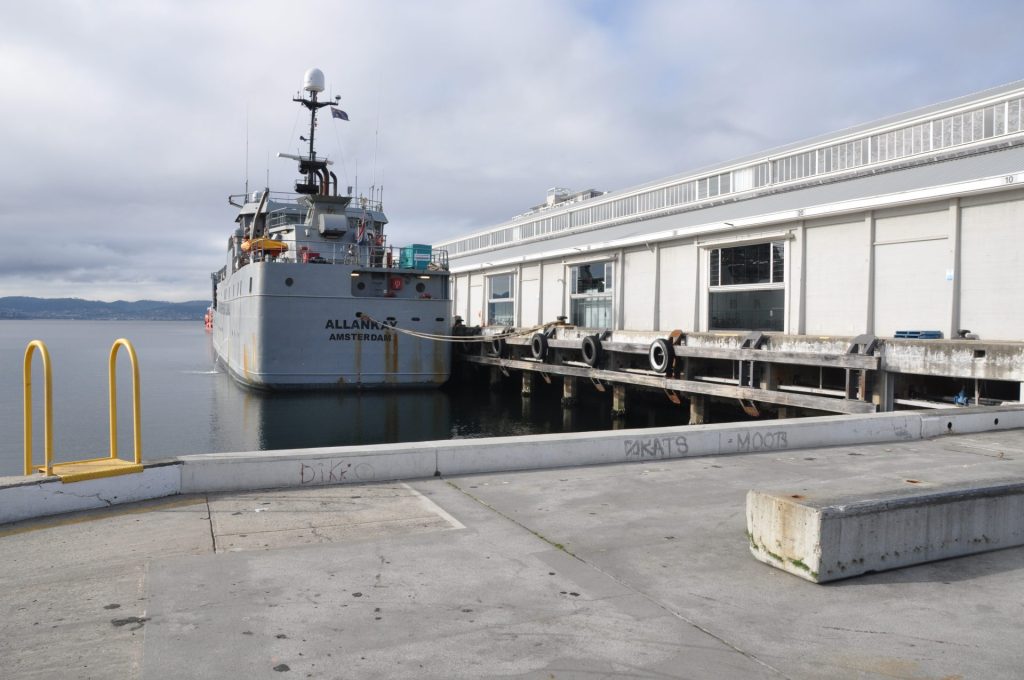
Hobart’s environment posed challenges that shaped its history. Harsh winters and variable weather influenced settlement patterns. Floods along the Derwent River disrupted communities and trade. Bushfires threatened homes and landscapes. Pollution from industry required reforms and conservation. Climate adaptation became a civic priority. Environmental challenges influenced urban planning and resilience. Hobart’s response reflected innovation and community cooperation. Adaptation strengthened civic identity and sustainability. Environmental history remains central to Hobart’s story. Challenges continue to shape its future.
| Challenge | Impact |
|---|---|
| Harsh Winters | Influenced settlement patterns |
| Floods | Disrupted trade and communities |
| Bushfires | Threatened homes and landscapes |
| Industrial Pollution | Required reforms |
| Climate Adaptation | Strengthened resilience |
Modern Transformation – Innovation And Global Identity
In recent decades, Hobart has transformed into a modern city with global connections. Technology and innovation reshaped industries and commerce. Tourism expanded with international recognition of cultural and natural attractions. Scientific institutions reinforced Hobart’s global role in Antarctic research. Festivals and arts events attracted worldwide audiences. Urban renewal projects revitalized historic districts. Sustainability guided modern development. Hobart’s global identity reflects both heritage and innovation. The city balances tradition with progress. Modern transformation continues to shape Hobart’s future.
- Technology reshaped industries
- Tourism expanded globally
- Antarctic research reinforced role
- Festivals attracted worldwide audiences
- Urban renewal revitalized districts
- Sustainability guided development
- Heritage balanced with innovation
- Progress shaped civic identity
- Global connections strengthened
- Future transformation continues
Final Reflection – Hobart’s Enduring Story
Hobart’s history is a tapestry of Indigenous heritage, colonial foundations, maritime expansion, and cultural innovation. Each era contributed to its unique identity. The city’s architecture, institutions, and traditions reflect resilience and progress. Environmental awareness and scientific exploration highlight its global role. Migration and social movements enriched diversity and civic life. Hobart’s legacy is both local and international. Hobart’s history continues to change and shape its present and future. Exploring Hobart reveals the depth of its character. The city’s enduring story remains a source of pride and inspiration.
Join The Discussion – Share Your Perspective
Hobart’s history spans Indigenous heritage, colonial struggles, and modern creativity. Which aspects resonate most with you? How do you see Hobart’s past influencing its present identity?
#HobartHistory #TasmaniaLegacy #ColonialPast #CulturalIdentity #MaritimeExpansion #UrbanGrowth #IndigenousHeritage #HistoricTasmania #AustralianHistory #ExploreHobart #AntarcticGateway #EnvironmentalAwareness #SocialReform #MigrationHistory #DefenseLegacy


One Comment