The Environmental Commodities Of Sydney
The Environmental Commodities Of Sydney
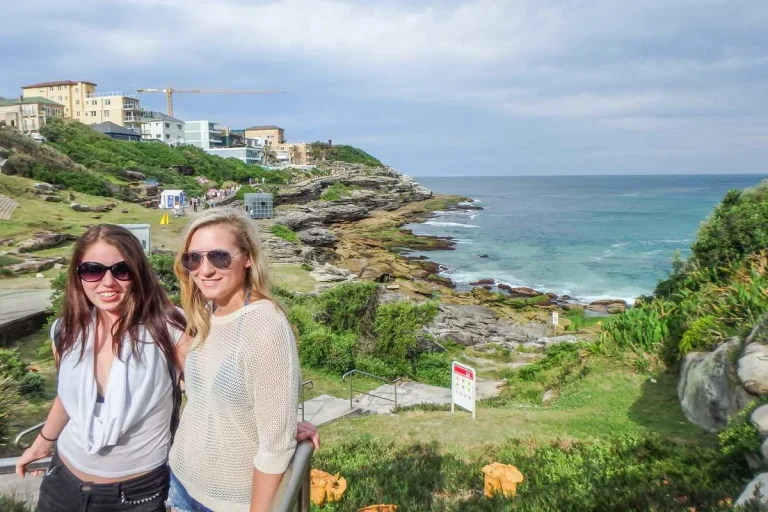
Sydney’s environment is shaped by a blend of natural features and human choices that influence how people experience the city. The region’s landscapes, waterways, and green spaces contribute to a sense of place that affects daily life. People often respond to these surroundings in ways that reveal their personal values and emotional needs. The city’s environmental commodities offer more than physical resources; they shape the psychological atmosphere of the community. These elements influence how people connect with their environment and with each other. Sydney’s natural assets also play a role in shaping identity for many residents. The way people interact with these spaces reflects their inner motivations. These interactions contribute to the ongoing development of the city’s character.
Sydney’s environment often behaves like a restless organism, shifting its mood depending on who’s paying attention. The coastline, the ridges, the pockets of bushland — they all seem to rearrange themselves emotionally rather than physically. People walking through these spaces sometimes feel as though the land is quietly observing them back. The city’s natural features don’t just sit there; they participate. They create a kind of ambient dialogue that most people sense without consciously decoding. It’s an odd, almost conversational landscape.
The waterways in particular act like memory keepers. They hold onto fragments of human behaviour, reflecting them in ways that feel strangely personal. A person standing near the harbour might feel their thoughts stretch out across the surface, as if the water were absorbing their internal weather. These moments reveal more about someone’s emotional state than they expect. The environment becomes a mirror with its own temperament. It responds, not with words, but with shifts in light, movement, and sound.
Green spaces across the city behave like emotional pressure valves. People step into them expecting fresh air and end up confronting parts of themselves they didn’t realise were waiting. The trees, the open lawns, the layered bird calls — they create a psychological softness that exposes personal values. Some people feel grounded; others feel unsettled. The environment doesn’t judge either reaction. It simply offers a space where internal motivations become more visible. The city’s greenery becomes a quiet diagnostic tool.
Sydney’s environmental assets also generate a kind of atmospheric currency. They influence how people treat one another, how they move through their routines, and how they interpret the day’s emotional tone. A walk along the coast can shift someone’s sense of possibility. A sudden gust through a narrow street can alter a conversation. These natural elements shape the community’s collective mood in ways that feel subtle but persistent. They create a shared psychological climate that everyone participates in, knowingly or not.
Identity in Sydney often grows out of these interactions with place. People absorb the rhythms of the environment and weave them into their sense of self. Someone who spends time near the ocean might develop a calm that others interpret as confidence. Someone who gravitates toward the bush might carry a quiet resilience. The city’s natural features become personality co-authors. They influence how people see themselves and how they present that self to the world.
Over time, these interactions accumulate and begin shaping the city’s character as much as its residents do. The environment and the people engage in a slow, ongoing negotiation, each influencing the other’s evolution. Sydney becomes a living archive of these exchanges — a city defined not just by its physical form but by the emotional imprints left on it. The weirdness lies in how natural and human choices blend into something neither side fully controls. The city’s identity becomes a moving target, shaped by every step taken across its surface.
The Coastal Influence On Sydney’s Environmental Identity
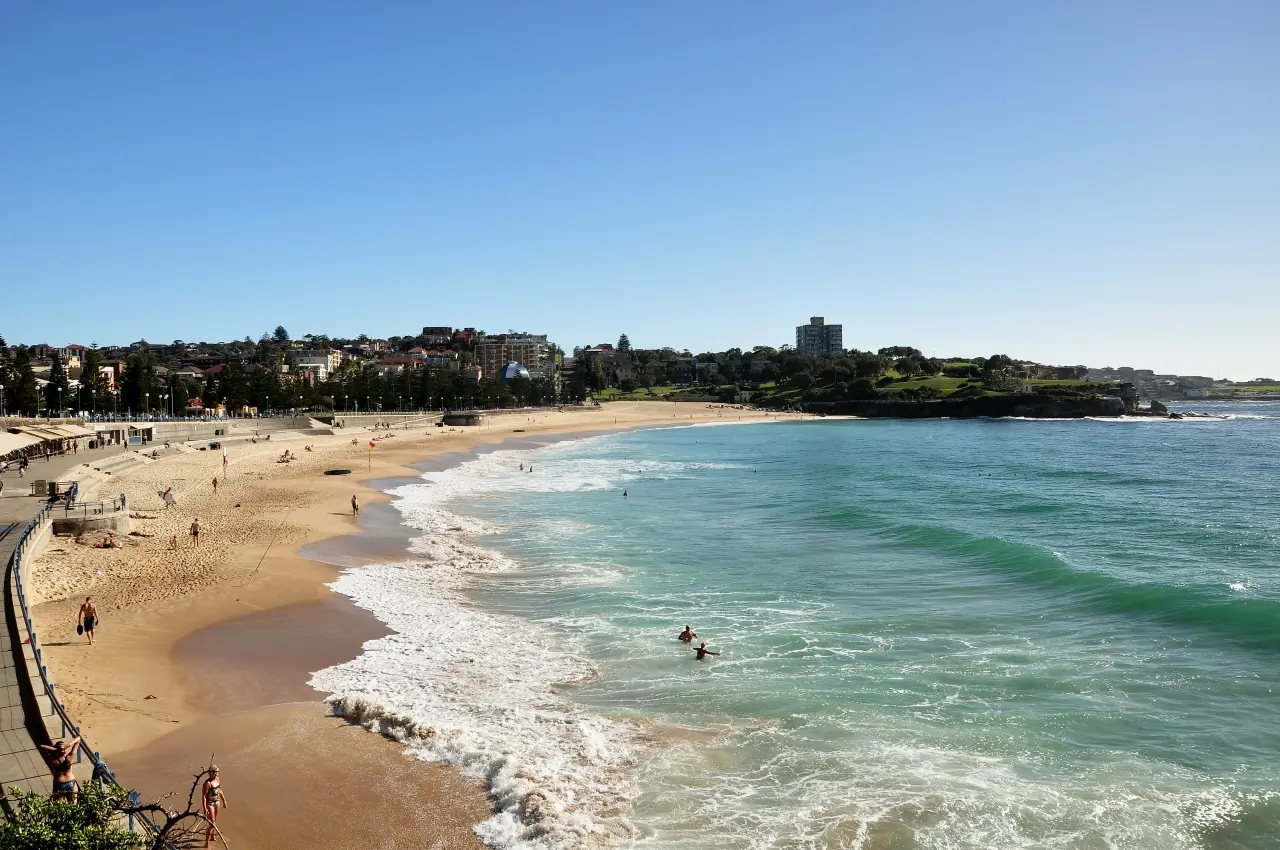
Sydney’s coastline plays a major role in shaping the city’s atmosphere. The presence of the ocean creates a sense of openness that influences how people feel in these spaces. Many individuals seek the coastline for moments of reflection or renewal. The sound of waves can create a calming effect that shapes emotional responses. Coastal areas also encourage social interaction through shared activities. These interactions contribute to a sense of community. People often associate the coastline with freedom and possibility. This association influences how they interpret their surroundings. The coastline becomes a psychological anchor for many residents. It shapes the environmental identity of the city.
Table
| Coastal Feature | Psychological Influence | Environmental Effect |
|---|---|---|
| Ocean views | Creates spaciousness | Enhances visual appeal |
| Beaches | Encourages relaxation | Supports social activity |
| Coastal walks | Promotes reflection | Connects natural spaces |
| Sea breeze | Offers sensory comfort | Improves air quality |
The Role Of Urban Greenery In Daily Life
Green spaces across Sydney influence how people navigate the city. These areas offer a sense of calm within busy surroundings. People often seek greenery when they need a moment of quiet. Trees and parks create pockets of relief from urban intensity. These spaces encourage social gatherings and personal reflection. Greenery also shapes how people perceive the city’s character. It adds texture to the urban landscape. People may feel more grounded when surrounded by natural elements. These feelings influence how they move through their day. Green spaces become essential components of Sydney’s environmental experience.
Points
- Green spaces offer emotional relief
- Trees create visual softness in urban areas
- Parks encourage social interaction
- Natural elements influence daily mood
- Greenery shapes the city’s overall atmosphere
The Waterways That Shape Sydney’s Rhythm
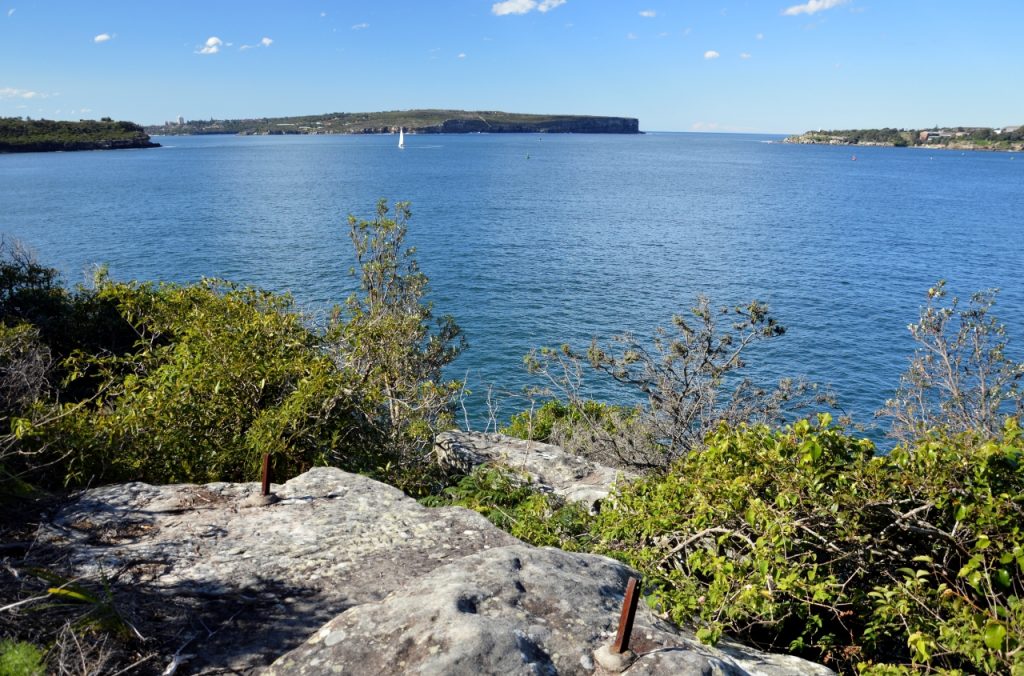
Sydney’s rivers and harbour contribute to the city’s unique rhythm. Waterways create a sense of movement that influences how people experience the environment. The presence of water often brings a feeling of fluidity to daily life. People may feel more at ease when near flowing water. These spaces encourage both activity and stillness. Waterways also shape the city’s visual identity. They create natural boundaries that influence how people navigate the region. Many individuals associate water with renewal. This association shapes their emotional connection to the environment. Water becomes a central element of Sydney’s environmental commodities.
Table
| Waterway Feature | Emotional Effect | Environmental Contribution |
|---|---|---|
| Harbour views | Inspires calm | Enhances scenic value |
| Rivers | Encourages reflection | Supports biodiversity |
| Bays | Promotes leisure | Creates natural gathering points |
| Inlets | Offers quiet spaces | Shapes local ecosystems |
The Psychological Pull Of Sydney’s Climate
Sydney’s climate influences how people interact with their environment. Warm weather encourages outdoor activity. People often feel more energised when the climate supports movement. The city’s mild winters allow for year-round engagement with natural spaces. Climate shapes how people plan their routines. It also influences social behaviour. People may feel more connected to their surroundings when the weather feels inviting. This connection strengthens their attachment to the city. Climate becomes a subtle but powerful environmental commodity. It shapes the emotional tone of daily life.
Points
- Climate influences outdoor behaviour
- Warm weather encourages social activity
- Mild winters support year-round exploration
- Weather shapes emotional responses
- Climate contributes to environmental identity
The Cultural Value Of Sydney’s Natural Landmarks
Sydney’s natural landmarks hold cultural significance for many residents. These spaces carry stories that shape how people relate to the environment. Landmarks create a sense of continuity across generations. People often visit these places to feel connected to something larger than themselves. These visits can evoke strong emotional responses. Landmarks also influence how people interpret the city’s history. They serve as reminders of the region’s natural heritage. People may feel a sense of pride when engaging with these spaces. This pride shapes their environmental behaviour. Landmarks become symbols of Sydney’s environmental identity.
Table
| Landmark | Cultural Influence | Psychological Impact |
|---|---|---|
| Coastal cliffs | Represents resilience | Evokes awe |
| National parks | Connects to heritage | Encourages exploration |
| Harbour islands | Reflects history | Sparks curiosity |
| Iconic headlands | Symbolises identity | Creates emotional grounding |
The Social Dynamics Of Sydney’s Outdoor Spaces
Outdoor spaces in Sydney influence how people connect with one another. These areas encourage spontaneous interaction. People often gather in parks, beaches, and waterfronts. These gatherings create a sense of community. Outdoor spaces also support shared experiences. These experiences strengthen social bonds. People may feel more open in natural settings. This openness influences how they communicate. Outdoor spaces become catalysts for social connection. They shape the social fabric of the city.
Points
- Outdoor spaces encourage connection
- Natural settings support openness
- Shared experiences strengthen bonds
- Social behaviour shifts in outdoor environments
- These spaces shape community identity
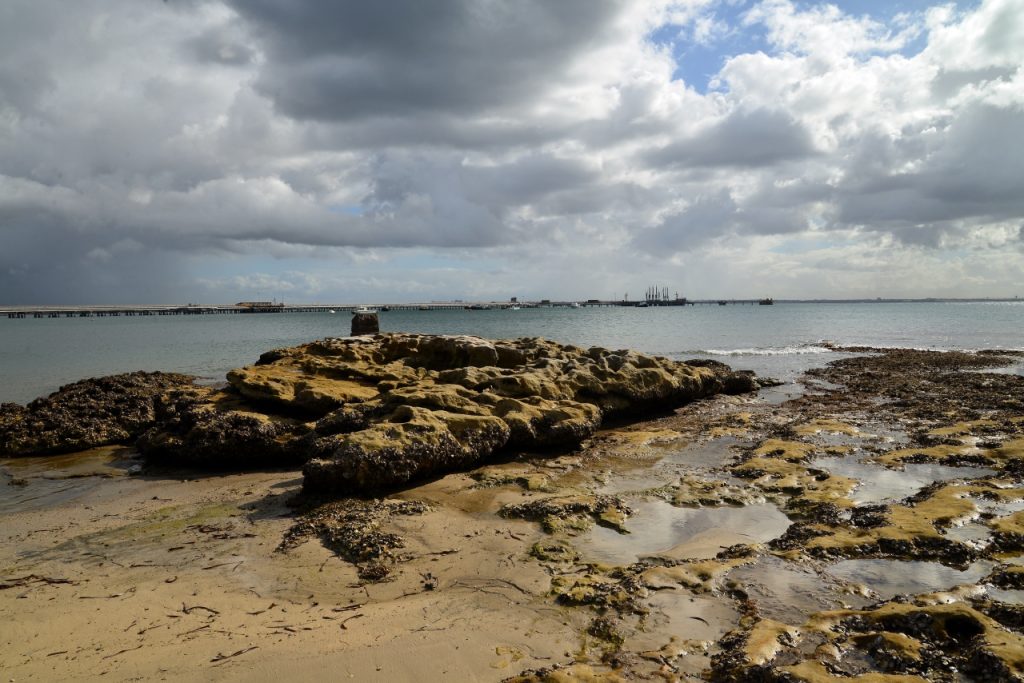
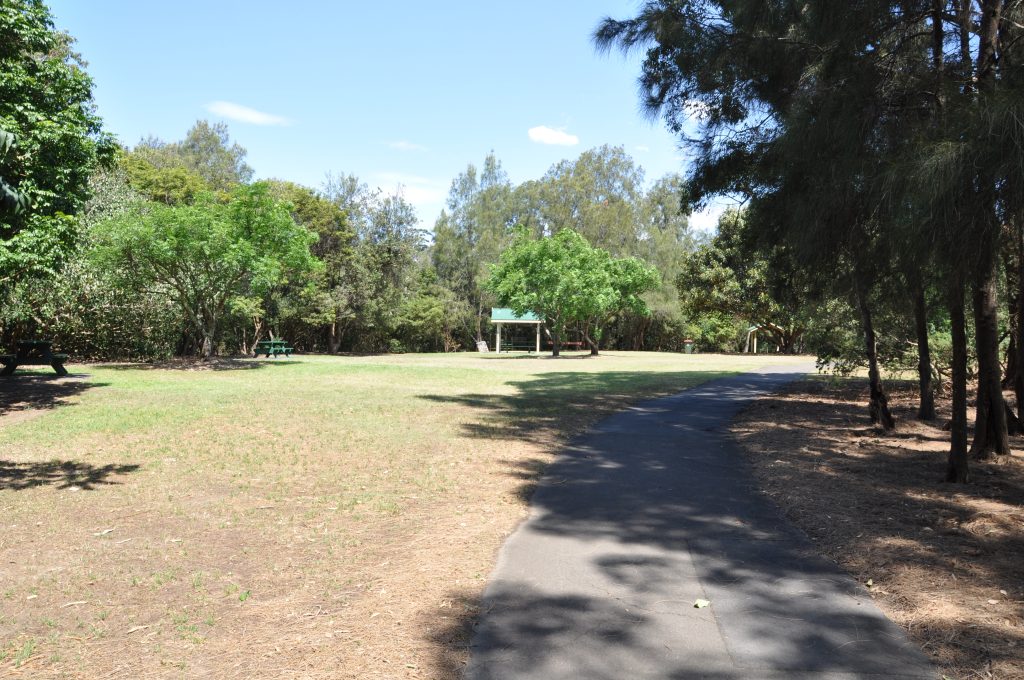
– Photos By Mike Fernandes
The Influence Of Sydney’s Biodiversity On Human Perception
Sydney’s diverse plant and animal life shapes how people perceive their environment. Biodiversity adds richness to daily experiences. People often feel more engaged when surrounded by varied natural elements. These elements create a sense of vitality. Biodiversity also influences how people interpret environmental health. A thriving ecosystem can evoke feelings of stability. People may feel more connected to their surroundings when they notice wildlife. This connection shapes their environmental behaviour. Biodiversity becomes a psychological asset. It contributes to the city’s environmental character.
Table
| Biodiversity Element | Emotional Response | Environmental Role |
|---|---|---|
| Native birds | Sparks interest | Supports ecological balance |
| Coastal plants | Creates familiarity | Prevents erosion |
| Urban wildlife | Encourages curiosity | Enhances local ecosystems |
| Native trees | Offers comfort | Provides habitat |
The Relationship Between Movement And Environment In Sydney
Movement through Sydney’s environment shapes how people experience the city. Walking along the harbour or through green spaces creates a sense of flow. This movement influences emotional states. People often feel more centred when they move through natural areas. Movement also shapes how people interpret their surroundings. It creates a rhythm that aligns with the city’s atmosphere. People may discover new perspectives through movement. These discoveries influence their environmental connection. Movement becomes a psychological tool. It shapes the way people relate to Sydney’s environmental commodities.
Points
- Movement influences emotional states
- Walking creates a sense of flow
- Natural areas support reflective movement
- Movement shapes environmental perception
- It strengthens personal connection to place
The Creative Expression Found In Sydney’s Environment
Sydney’s environment inspires creative expression in many forms. People often draw inspiration from the city’s natural features. These inspirations appear in art, writing, and design. Creative expression reflects how people interpret their surroundings. It also shapes how they share their experiences with others. The environment becomes a canvas for personal meaning. People may feel more expressive when surrounded by natural beauty. This expression contributes to the cultural identity of the city. Creativity becomes an environmental commodity. It enriches the psychological landscape of Sydney.
Table
| Creative Influence | Inner Effect | Outer Expression |
|---|---|---|
| Coastal scenery | Sparks imagination | Inspires visual art |
| Green spaces | Encourages calm | Shapes design choices |
| Water reflections | Evokes emotion | Influences storytelling |
| Natural textures | Promotes focus | Enhances creative work |
The Environmental Commodities Of Sydney As A Collective Experience
Sydney’s environmental commodities shape the city’s collective experience. Each person interacts with these elements in unique ways. These interactions influence how people relate to the city. Environmental commodities create shared reference points. These reference points strengthen community identity. People often feel connected through their experiences of natural spaces. This connection shapes how they interpret the city’s character. Environmental commodities evolve as the city grows. They reflect the relationship between people and place. They form the foundation of Sydney’s environmental identity.
Points
- Environmental commodities shape collective experience
- People interact with these elements uniquely
- Shared spaces strengthen community identity
- Natural features influence emotional connection
- These elements define Sydney’s environmental character
Conclusion
Sydney’s environmental commodities shape the psychological atmosphere of the city. These elements influence how people feel, behave, and connect with their surroundings. The coastline, green spaces, waterways, and climate all contribute to the city’s identity. People respond to these features in ways that reveal their inner motivations. These responses shape the collective experience of the region. Environmental commodities evolve as the city changes. They reflect the ongoing relationship between people and place. By paying attention to these elements, people can deepen their connection to the environment. This connection enriches daily life. It also highlights the unique character of Sydney’s environmental landscape.