How Australian Skylines Change From Clever Urban Growth
How Australian Skylines Change
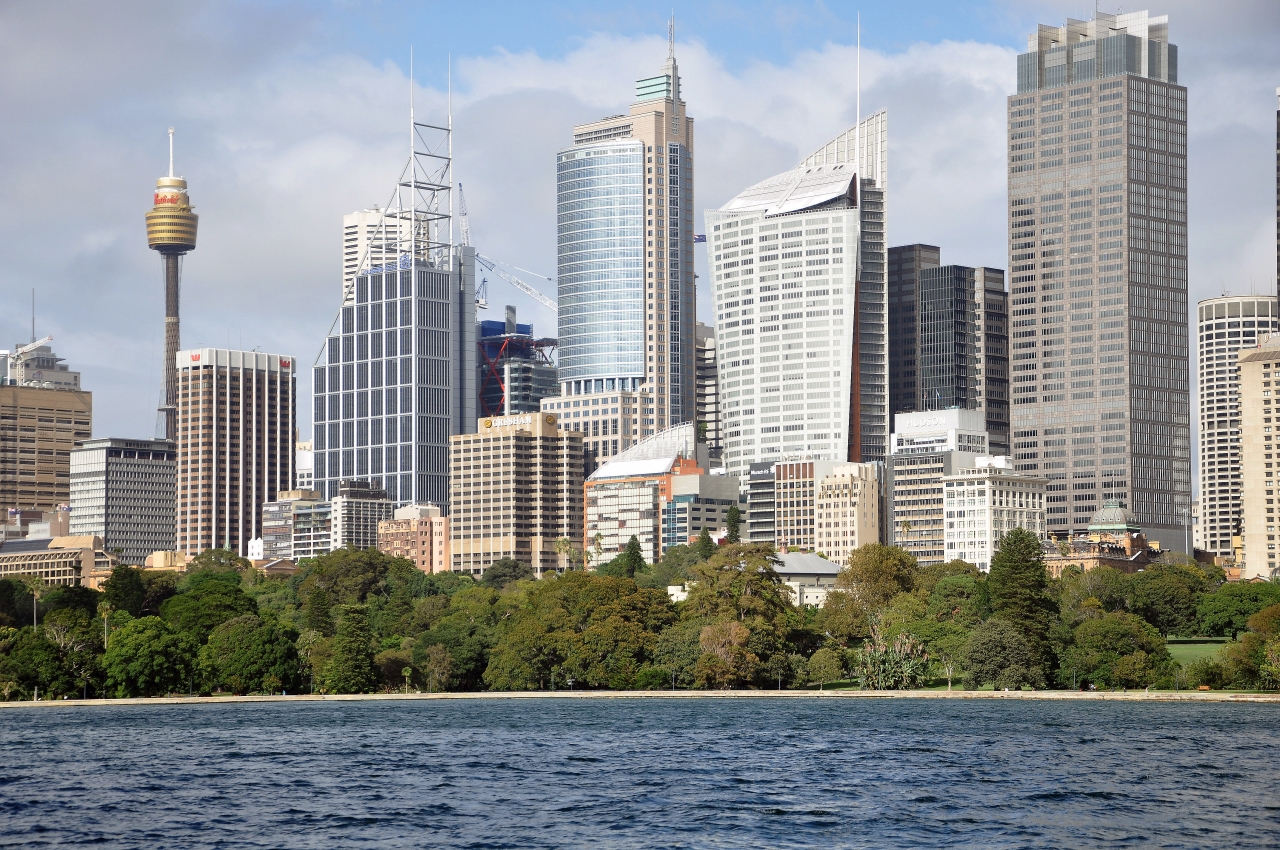
Australian skylines shift in ways that reveal the emotional and cultural movements of the cities beneath them. Each new structure reflects a moment in time when ambition, identity, and collective imagination converge. People often look at skylines as physical shapes, yet they also carry psychological meaning that influences how communities see themselves. As buildings rise, they signal confidence, growth, and a desire to shape the future. When older structures remain, they anchor people to shared memory and familiar rhythms.
These contrasts create a visual dialogue between past and present. The skyline becomes a living record of how cities adapt to new pressures and opportunities. People respond to these changes with curiosity, pride, or hesitation depending on their connection to place. The evolution of skylines mirrors the evolution of the people who inhabit them.
The Emotional Weight Of Urban Growth
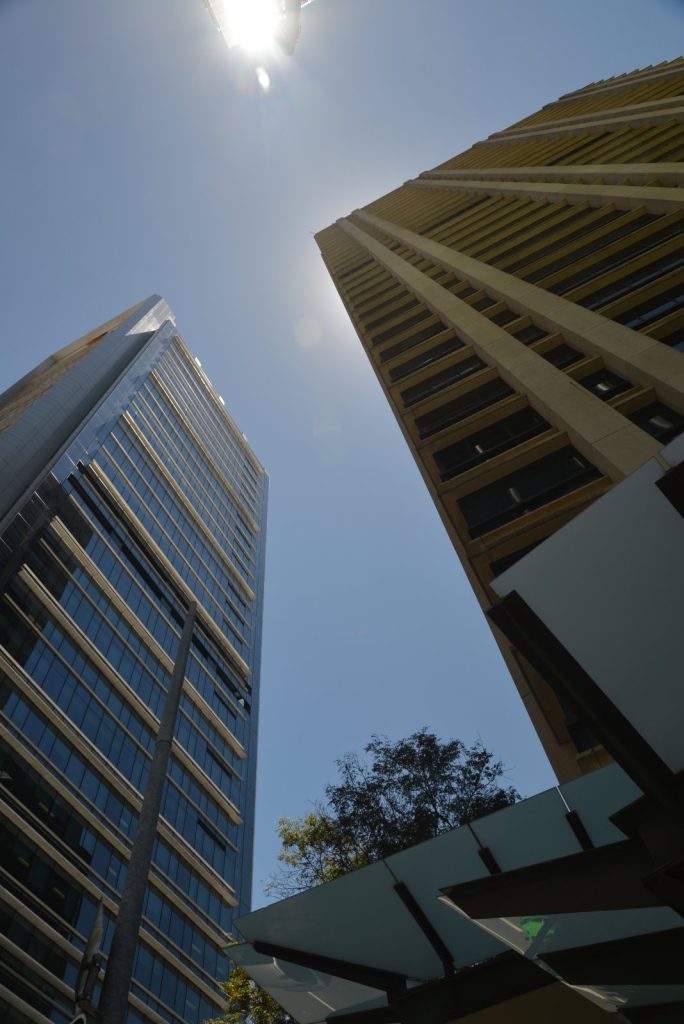
Australian cities expand in ways that reflect shifting priorities and rising expectations. As new towers appear, people often feel a mixture of excitement and uncertainty. These structures represent progress, yet they also challenge familiar landscapes. The emotional weight of growth becomes clear when long‑standing views disappear behind new silhouettes. People adjust their sense of place as the skyline transforms. This adjustment shapes how they interpret the pace of change. Growth can inspire confidence when it feels purposeful. It can also create tension when it feels rushed or disconnected from community needs. The skyline becomes a symbol of collective ambition. Its evolution influences how people relate to their city.
Table – Factors That Shape Emotional Responses To Growth
| Factor | Influence On People |
|---|---|
| Pace of development | Affects comfort levels |
| Architectural style | Shapes cultural identity |
| Loss of familiar views | Creates emotional tension |
| New public spaces | Encourages connection |
| Height of buildings | Signals ambition |
The Pull Of Historical Memory
Older buildings hold emotional significance because they carry stories that anchor people to their city. When these structures remain visible within the skyline, they create a sense of continuity. People often feel reassured when familiar shapes remain part of the urban horizon. These buildings remind communities of shared experiences and cultural milestones. When historical structures disappear, people may feel a quiet sense of loss. This loss influences how they interpret new development. The pull of memory shapes reactions to change in subtle ways. People often measure new buildings against the emotional weight of older ones. This comparison influences how skylines are perceived. The balance between preservation and progress becomes a defining feature of urban identity.
Points – Signs That Historical Memory Shapes Skyline Perception
- People express attachment to older structures.
- New buildings are compared to familiar landmarks.
- Emotional reactions intensify when demolition occurs.
- Communities advocate for preservation.
- Historical silhouettes remain symbolic anchors.
The Rise Of Vertical Living
Australian cities have embraced vertical living as populations grow and land becomes more valuable. Tall residential towers reshape skylines and influence how people experience urban life. These buildings create new forms of community that differ from traditional neighbourhoods. People adjust to shared spaces, elevated views, and compact living arrangements. Vertical living changes how individuals relate to their surroundings. The height of these structures alters the emotional rhythm of daily life. People may feel energised by the density or overwhelmed by the scale. These reactions shape how vertical growth is perceived. The rise of tall residential towers becomes a defining feature of modern skylines. Their presence signals a shift in how cities accommodate growing populations.
Table – Elements Of Vertical Living And Their Effects
| Element | Effect On Residents |
|---|---|
| Elevated views | Creates sense of distance |
| Shared amenities | Encourages social interaction |
| Compact layouts | Influences daily habits |
| High density | Increases urban energy |
| Building height | Shapes emotional tone |
The Psychological Impact Of Changing Horizons
When skylines shift, people often reassess their relationship with the city. A new horizon can alter how individuals interpret their place within the urban environment. These changes influence emotional responses in ways that feel subtle yet significant. People may feel inspired by new shapes or unsettled by the loss of familiar ones. The skyline becomes a visual marker of personal and collective identity. Changing horizons encourage reflection on how cities evolve. They also highlight the tension between growth and stability. People respond to these shifts based on their connection to place. The psychological impact becomes clearer when individuals notice how their feelings change with the view. Skylines shape emotional landscapes as much as physical ones.
Points – Effects Of Changing Horizons
- People reassess their sense of belonging.
- Emotional reactions shift with new silhouettes.
- Familiar routes feel different.
- New buildings alter visual rhythm.
- Personal memories become tied to older views.
The Influence Of Cultural Expression
Architecture reflects cultural expression, and skylines reveal how cities interpret their identity. Australian skylines incorporate diverse styles that reflect global influences and local character. These styles shape how people perceive their city’s personality. When buildings express creativity, communities often feel energised. When structures feel generic, people may sense a loss of uniqueness. Cultural expression becomes a key factor in how skylines evolve. People respond positively to designs that reflect local stories. These responses influence future development choices. The skyline becomes a canvas for cultural identity. Its evolution reflects the values and aspirations of the community.
Table – Forms Of Cultural Expression In Skylines
| Form | Influence On Identity |
|---|---|
| Indigenous motifs | Strengthens cultural connection |
| Modern minimalism | Signals global alignment |
| Heritage restoration | Preserves shared memory |
| Artistic facades | Encourages creativity |
| Mixed architectural eras | Creates layered identity |
The Role Of Environmental Awareness
Environmental awareness influences how skylines develop across Australia. People increasingly expect buildings to reflect sustainable values. This expectation shapes architectural choices and urban planning. Green roofs, energy‑efficient materials, and natural ventilation become part of the skyline’s visual language. These features reflect a growing desire for harmony between city life and environmental responsibility. People respond positively to designs that reduce environmental strain. This response influences how developers approach new projects. Environmental awareness becomes a guiding force in shaping skylines. The skyline becomes a symbol of ecological intention. Its evolution reflects shifting priorities in urban life.
Points – Signs Of Environmental Influence On Skylines
- Green features appear on rooftops.
- Natural materials become more common.
- Buildings incorporate energy‑saving designs.
- Public support grows for sustainable projects.
- Environmental values shape planning decisions.
The Expansion Of Coastal Skylines
Many Australian skylines rise along coastlines where water meets urban ambition. These coastal settings create unique emotional and visual dynamics. People often feel drawn to the contrast between natural horizons and built structures. As cities expand, coastal skylines grow taller and more complex. This growth influences how people interpret the relationship between nature and development. Coastal skylines become symbols of both opportunity and vulnerability. People respond to these changes with a mix of pride and caution. The interplay between water and architecture shapes emotional reactions. Coastal skylines reveal how cities balance beauty, risk, and aspiration. Their evolution reflects the challenges of building near natural edges.
Table – Coastal Factors That Shape Skyline Development
| Factor | Influence On Growth |
|---|---|
| Ocean views | Increases demand |
| Weather patterns | Shapes building design |
| Coastal erosion | Influences planning |
| Tourism appeal | Drives development |
| Natural light | Enhances architectural choices |
The Shift Toward Mixed Urban Centres
Australian skylines increasingly reflect mixed urban centres where residential, commercial, and cultural spaces blend. This shift creates skylines that feel more dynamic and interconnected. People experience cities differently when diverse functions coexist within the same vertical space. These mixed centres encourage movement, interaction, and shared experience. The skyline becomes a symbol of urban versatility. People respond positively to environments that offer variety and accessibility. This shift influences how cities plan future development. Mixed centres create skylines that feel alive at all hours. Their evolution reflects changing expectations for urban life. The skyline becomes a map of how people use their city.
Points – Effects Of Mixed Urban Centres
- People experience greater convenience.
- Social interaction increases.
- Buildings remain active throughout the day.
- Urban energy becomes more consistent.
- Architectural diversity expands.
The Emotional Rhythm Of Night Skylines
Night skylines reveal a different emotional rhythm that shapes how people experience their city. Lights create patterns that influence mood and perception. These patterns highlight architectural features that may go unnoticed during the day. People often feel a sense of calm or excitement when viewing the skyline after dark. Night skylines become symbols of possibility and movement. They reflect the pulse of the city in a way that feels intimate and expansive. People respond to these visual cues with renewed curiosity. The emotional rhythm of night skylines shapes how individuals interpret urban life. These rhythms influence how people connect with their surroundings. Night skylines reveal the city’s hidden personality.
Table – Elements Of Night Skylines
| Element | Emotional Effect |
|---|---|
| Building lights | Creates atmosphere |
| Reflections on water | Enhances calmness |
| Illuminated landmarks | Strengthens identity |
| Street glow | Signals activity |
| Colour patterns | Shapes mood |
The Future Shape Of Australian Skylines
The future of Australian skylines will reflect shifting values, technological advances, and cultural evolution. People will continue to influence these changes through their expectations and emotional responses. Future skylines may incorporate more green spaces, flexible structures, and community‑focused designs. These features will shape how people experience their cities. The skyline will remain a symbol of collective ambition. People will respond to new shapes with curiosity and reflection. The future skyline will blend innovation with memory. Its evolution will reveal how cities adapt to new challenges. People will continue to shape the skyline through their choices and desires. The skyline will remain a living expression of urban identity.
Points – Elements Likely To Shape Future Skylines
- Increased focus on sustainability.
- Greater integration of public spaces.
- More flexible building designs.
- Stronger cultural expression.
- Continued vertical expansion.
Conclusion
Australian skylines change in ways that reflect the emotional, cultural, and practical movements of the cities beneath them. These changes reveal how people interpret growth, memory, and identity. Each new structure becomes part of a larger story about ambition and adaptation. Skylines evolve as communities respond to shifting priorities and emerging challenges. People shape these transformations through their expectations and emotional connections. The skyline becomes a mirror of collective psychology. Its evolution reflects the balance between progress and preservation. As cities continue to grow, their skylines will remain symbols of possibility. People will continue to interpret these shapes through their own experiences. The changing skyline becomes a record of how Australia imagines its future.