Australian Tourism Through The Eye Of The Curious Beholder
Eye Of The Beholder
Australian Tourism often evokes a sense of vastness that stirs curiosity in those who imagine its landscapes. People who travel there often describe a feeling of stepping into a place where nature and culture intertwine in unexpected ways. The country’s appeal lies not only in its scenery but also in the emotional impressions it leaves on visitors. Many travellers arrive with preconceived ideas shaped by films, stories, and distant images.
Once they explore the country, those ideas often shift into something more personal. The experience becomes a blend of anticipation, discovery, and reflection. Each region offers a different atmosphere that influences how people interpret their surroundings. The contrast between bustling cities and quiet wilderness creates a dynamic emotional journey. Visitors often find themselves noticing details they never expected to matter. The country’s rhythm encourages a slower pace that invites contemplation. The result is a deeply individual encounter shaped by the traveller’s own perspective.
The Allure Of Australia’s Natural Identity
Australia’s natural identity often shapes the first impressions travellers form when they arrive. The country’s landscapes carry a sense of openness that encourages people to pause and absorb their surroundings. Many visitors describe a feeling of stepping into a world that feels both familiar and distant. The colours, textures, and sounds of the environment influence how travellers interpret their experiences.
The coastline often creates a sense of calm that contrasts with the rugged interior. Forests and deserts evoke different emotional responses that vary from person to person. The diversity of scenery encourages travellers to reflect on their own expectations. People often find themselves drawn to places that resonate with their personal preferences. The environment becomes a mirror that reveals how individuals respond to space and atmosphere. This emotional connection often shapes the memories they carry home. The country’s natural identity becomes part of their internal narrative.
Table
| Aspect | Influence On Visitor Perception |
|---|---|
| Coastal Regions | Evoke calm and openness |
| Desert Landscapes | Inspire introspection |
| Forested Areas | Create a sense of refuge |
| Mountain Ranges | Encourage feelings of awe |
| Wildlife Encounters | Shape emotional impressions |
The Emotional Pull Of Australian Cities
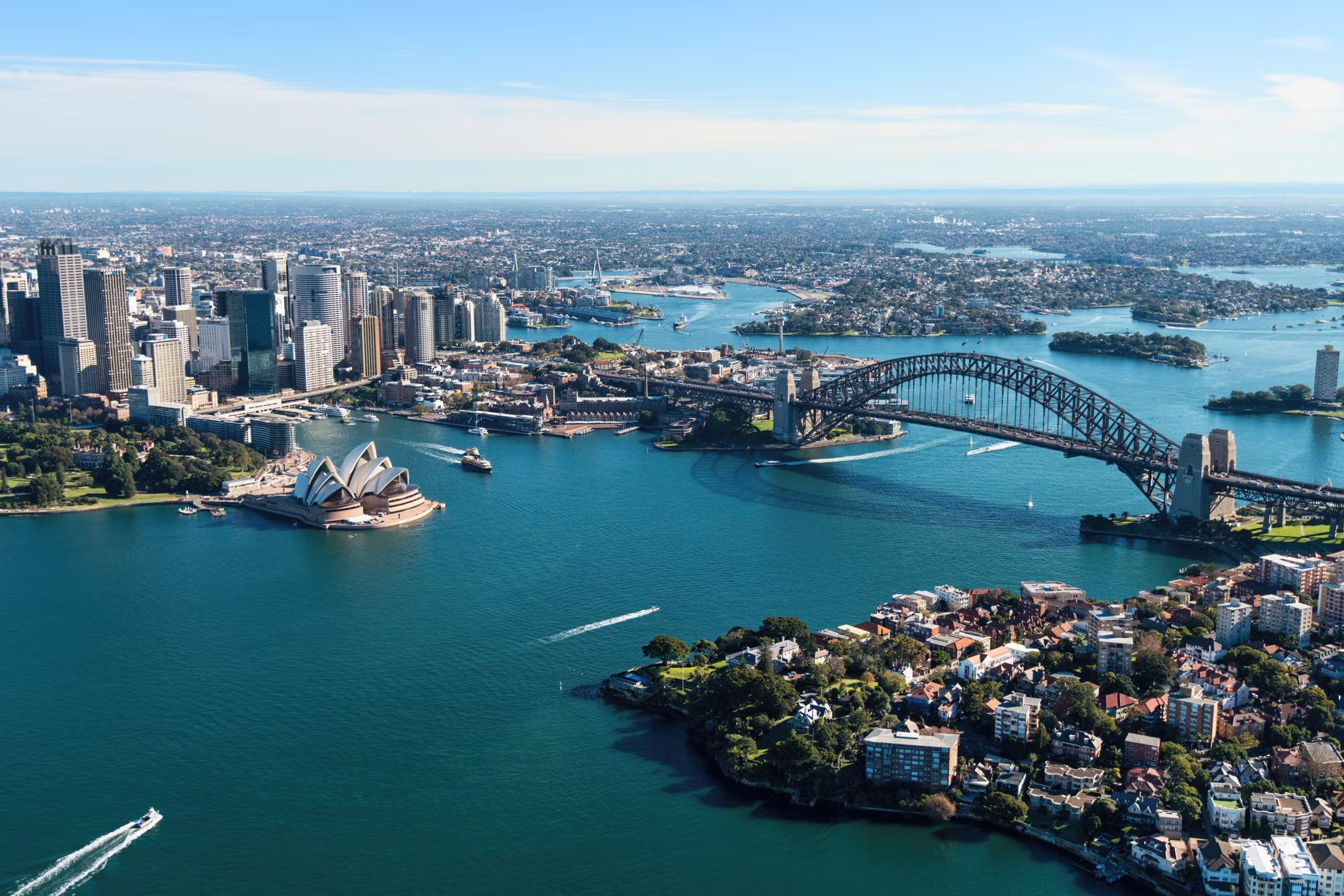
Australian cities often surprise travellers with their blend of energy and ease. The atmosphere in these urban spaces encourages people to explore without feeling overwhelmed. Visitors often notice how the rhythm of city life feels more relaxed than in many global centres. The architecture, street culture, and public spaces influence how people interpret the environment. Many travellers describe a sense of comfort that emerges from the balance between activity and calm.
The cities offer a mix of creativity and practicality that appeals to different personalities. People often find themselves drawn to neighbourhoods that reflect their own interests. The emotional tone of each city varies, creating distinct impressions for each visitor. The interplay between modern design and natural elements shapes the overall experience. Travellers often leave with a sense of connection that feels personal rather than generic. The cities become part of their emotional map of the country.
Points
- Encourages relaxed exploration
- Offers diverse neighbourhood atmospheres
- Blends creativity with practicality
- Creates a sense of comfort
- Supports personal interpretation
- Balances activity with calm
- Shapes emotional impressions
- Highlights cultural variety
- Invites curiosity
- Encourages lingering
- Leaves lasting memories
The Psychological Impact Of Vast Distances
Australia’s scale often influences how travellers perceive their journey. The long stretches of open road create a sense of space that affects emotional responses. Many visitors describe a feeling of freedom that emerges from the expansive landscapes. The distance between destinations encourages reflection during travel. People often find themselves contemplating their own pace and priorities.
The journey becomes part of the experience rather than a simple transition. The vastness encourages travellers to slow down and absorb their surroundings. This shift in tempo often reveals new layers of appreciation. The sense of distance can also evoke feelings of solitude that some find comforting. Others interpret it as an invitation to explore more deeply. The country’s scale becomes a psychological backdrop for the entire trip.
Table
| Element | Emotional Effect |
|---|---|
| Long Drives | Encourage reflection |
| Open Horizons | Create sense of freedom |
| Remote Areas | Evoke solitude |
| Changing Terrain | Stimulate curiosity |
| Travel Time | Supports slower pacing |
The Cultural Tapestry Of Australian Tourism
Australia’s cultural landscape influences how travellers interpret their experiences. The blend of traditions, histories, and artistic expressions creates a rich emotional environment. Visitors often find themselves drawn to stories that reveal the country’s layered identity. The cultural atmosphere encourages people to reflect on their own backgrounds. Many travellers describe a sense of connection that emerges from shared human experiences. The country’s artistic expressions often evoke strong emotional responses. People interpret cultural encounters through their own personal lenses. This creates a dynamic relationship between visitor and environment. The cultural tapestry becomes a source of inspiration for many travellers. It shapes how they remember their journey long after they return home. The experience becomes part of their internal story.
Points
- Encourages personal reflection
- Highlights diverse traditions
- Inspires emotional responses
- Supports cultural curiosity
- Reveals layered histories
- Connects visitors to local stories
- Shapes long‑term memories
- Invites deeper engagement
- Encourages open‑minded exploration
- Strengthens emotional resonance
- Enhances overall experience

The Influence Of Wildlife Encounters
Wildlife encounters often shape travellers’ emotional impressions of Australia. The presence of unique animals creates a sense of wonder that feels deeply personal. Many visitors describe a feeling of connection when observing creatures in their natural habitats. These moments often become highlights of their journey. The unpredictability of wildlife adds an element of excitement. People interpret these encounters through their own emotional frameworks. Some feel a sense of calm, while others experience exhilaration. The animals become symbols of the country’s natural identity. These experiences often influence how travellers describe Australia to others. The memories remain vivid long after the trip ends. Wildlife encounters become part of the traveller’s emotional landscape.
Table
| Encounter Type | Visitor Reaction |
|---|---|
| Coastal Wildlife | Creates sense of wonder |
| Desert Species | Evokes curiosity |
| Forest Animals | Encourages calm |
| Marine Life | Inspires awe |
| Urban Wildlife | Adds unexpected charm |
The Role Of Personal Expectation
Personal expectations often shape how travellers interpret their experiences in Australia. People arrive with images formed by stories, media, and imagination. These expectations influence their emotional responses to new environments. Some visitors find their assumptions challenged in surprising ways. Others discover that reality aligns closely with their mental images. The contrast between expectation and experience creates a dynamic emotional journey. People often reflect on how their own mindset shapes their perceptions. This reflection becomes part of the travel experience itself. The country’s diversity encourages travellers to reassess their initial impressions. This process often leads to deeper appreciation. The journey becomes a dialogue between expectation and reality.
Points
- Shapes emotional responses
- Influences initial impressions
- Encourages reflection
- Highlights personal biases
- Supports emotional growth
- Creates dynamic experiences
- Reveals internal assumptions
- Encourages open‑mindedness
- Strengthens personal insight
- Enhances travel meaning
- Deepens connection to place
The Atmosphere Of Coastal Tourism
Australia’s coastline often becomes a focal point for travellers seeking emotional renewal. The rhythm of the waves creates a soothing backdrop that influences mood. Many visitors describe a sense of release when they arrive at the shore. The coastline offers a blend of movement and stillness that appeals to different personalities. People often find themselves drawn to beaches that match their emotional needs. Some seek lively areas, while others prefer quiet stretches of sand. The coastal atmosphere encourages contemplation and relaxation. The interplay of light and water shapes the sensory experience. Visitors often leave with a renewed sense of clarity. The coastline becomes a symbolic space for personal reflection. These impressions often remain long after the journey ends.
Table
| Coastal Feature | Emotional Influence |
|---|---|
| Gentle Waves | Encourage calm |
| Wide Beaches | Create sense of openness |
| Rocky Shores | Inspire contemplation |
| Coastal Winds | Add sensory depth |
| Tidal Patterns | Shape reflective mood |
The Appeal Of Australia’s Regional Towns
Regional towns often offer travellers a different emotional experience from major cities. These communities create a sense of warmth that many visitors find comforting. The slower pace encourages people to engage more deeply with their surroundings. Travellers often describe a feeling of ease when exploring these areas. The atmosphere supports meaningful interactions with locals. People interpret these encounters through their own emotional frameworks. The towns often reveal aspects of Australian life that feel authentic and grounded. Visitors appreciate the sense of connection that emerges from these experiences. The environment encourages reflection on personal values. The towns become memorable parts of the journey. Their charm often lingers in travellers’ memories.
Points
- Encourages meaningful interactions
- Supports slower pacing
- Reveals local character
- Creates emotional warmth
- Highlights community spirit
- Inspires personal reflection
- Offers grounded experiences
- Strengthens sense of connection
- Encourages thoughtful exploration
- Leaves lasting impressions
- Enhances overall journey
The Emotional Weight Of Historical Sites
Historical sites often evoke strong emotional responses from travellers. These places carry stories that influence how visitors interpret their surroundings. People often feel a sense of connection to the past when exploring these locations. The atmosphere encourages reflection on human experiences across time. Many travellers describe a feeling of quiet contemplation. The sites become spaces where personal thoughts and historical narratives intersect. Visitors interpret these moments through their own emotional lenses. The experience often shapes how they view the country’s identity. These impressions remain vivid long after the visit ends. The sites become part of the traveller’s internal journey. The emotional weight of history influences their overall perception of Australia.
Table
| Historical Element | Visitor Response |
|---|---|
| Heritage Buildings | Evoke contemplation |
| Cultural Landmarks | Inspire reflection |
| Memorial Sites | Create emotional depth |
| Archaeological Areas | Stimulate curiosity |
| Preserved Towns | Encourage introspection |
The Influence Of Climate On Visitor Perception
Australia’s climate often shapes how travellers interpret their experiences. The variation between regions creates different emotional atmospheres. Warm coastal breezes often evoke a sense of ease. Cooler mountain air encourages reflection. The climate influences how people move through the environment. Visitors often adjust their pace based on weather conditions. These adjustments shape their emotional responses. People interpret climate through personal preference. Some feel energised by heat, while others prefer cooler settings. The climate becomes part of the sensory experience. It influences how travellers remember their journey.
Points
- Shapes sensory impressions
- Influences movement
- Encourages pacing shifts
- Supports personal preference
- Creates emotional tone
- Highlights regional diversity
- Affects daily choices
- Enhances environmental awareness
- Encourages adaptation
- Strengthens memory formation
- Adds depth to experience
The Symbolic Power Of Australian Icons
Australian icons often shape travellers’ emotional impressions. These symbols carry meanings that influence how visitors interpret their surroundings. People often arrive with images of famous landmarks already in mind. Seeing these places in person often creates a powerful emotional shift. The icons become touchpoints for personal reflection. Visitors interpret these moments through their own internal narratives. The experience often feels more intimate than expected. The landmarks become symbols of the journey itself. People often describe a sense of fulfilment when encountering these places. The icons become part of their emotional memory. They shape how travellers describe Australia to others.
Table
| Icon | Emotional Effect |
|---|---|
| Famous Landmarks | Create sense of fulfilment |
| Natural Wonders | Inspire awe |
| Cultural Symbols | Evoke connection |
| Architectural Icons | Stimulate curiosity |
| Regional Emblems | Add personal meaning |

The Role Of Spontaneity In Australian Travel
Spontaneity often shapes the emotional tone of travel in Australia. The country’s diversity encourages unplanned exploration. Visitors often find themselves drawn to unexpected places. These moments create a sense of discovery that feels deeply personal. People interpret spontaneous experiences through their own emotional frameworks. The freedom to explore enhances the journey’s meaning. Travellers often describe a sense of excitement that emerges from unpredictability. These experiences become highlights of the trip. The spontaneity encourages people to embrace the present moment. The journey becomes more fluid and open‑ended. This flexibility shapes the emotional narrative of the trip.
Points
- Encourages unplanned exploration
- Creates sense of discovery
- Supports emotional spontaneity
- Enhances personal meaning
- Stimulates curiosity
- Encourages present‑moment focus
- Shapes memorable experiences
- Adds depth to travel
- Strengthens emotional engagement
- Invites openness
- Enriches overall journey
The Interplay Between Traveller Identity And Place
Traveller identity often shapes how people interpret their experiences in Australia. Personal background influences emotional responses to new environments. People often notice aspects of the country that resonate with their own values. This resonance shapes how they move through the landscape. The journey becomes a reflection of internal perspectives. Visitors interpret each moment through their own emotional filters. This interplay creates a unique relationship between traveller and place. The environment becomes part of their personal narrative. People often leave with insights about themselves. These insights shape how they remember the journey. The experience becomes a dialogue between self and environment.
Table
| Identity Factor | Influence On Perception |
|---|---|
| Personal Values | Shape emotional responses |
| Cultural Background | Influences interpretation |
| Travel Style | Affects engagement |
| Emotional State | Shapes moment‑to‑moment experience |
| Personal Goals | Guide exploration choices |
The Reflective Nature Of Departure
Departure often becomes a moment of reflection for travellers leaving Australia. People revisit the emotional journey they experienced throughout their stay. The memories feel vivid as they prepare to return home. Travellers often notice how their perceptions have shifted. The country becomes part of their internal landscape. People interpret their experiences through a sense of closure. The departure encourages contemplation of personal growth. Many travellers describe a feeling of gratitude. The emotional tone of the journey lingers. The memories become part of their long‑term narrative. The departure marks the end of one chapter and the beginning of another.
Points
- Encourages reflection
- Highlights emotional growth
- Shapes long‑term memory
- Creates sense of closure
- Supports personal insight
- Strengthens emotional resonance
- Invites gratitude
- Connects past and present
- Enhances meaning
- Marks transition
- Deepens appreciation
Conclusion
Australian tourism becomes a deeply personal experience shaped by emotion, perception, and individual perspective. Travellers interpret the country through their own internal frameworks, creating unique impressions that linger long after the journey ends. The landscapes, cities, wildlife, and cultural elements all contribute to a rich emotional tapestry.
Each moment becomes part of a broader narrative that reflects the traveller’s identity. The country’s diversity encourages reflection and curiosity. People often leave with a renewed sense of clarity. The journey becomes more than a series of destinations. It transforms into a psychological exploration shaped by atmosphere and experience. The impressions formed along the way become part of the traveller’s internal story. Australia’s influence continues long after departure. The country remains vivid in memory, shaped by the eye of the beholder.