

Cadmans Cottage 1816 And Its Powerful Story In Modern Sydney
Cadmans Cottage Built In 1816
Cadmans Cottage stands quietly at the edge of Sydney Harbour, a sandstone survivor that has watched the city transform from a rugged colonial outpost into a global metropolis, yet it remains strangely understated despite its immense historical weight. The building carries the texture of time in every block, holding stories of sailors, water police, government workers, and the shifting identity of a city that grew around it. Its presence feels both fragile and resilient, as though it has learned to coexist with the towering structures that now surround it without losing its sense of purpose.
Visitors often pass by without realising they are walking beside one of Sydney’s oldest buildings, a place that predates the very idea of the modern city. This quiet endurance gives Cadmans Cottage a significance that is easy to overlook but impossible to deny once you step close enough to feel its history.

The Origins Of Cadmans Cottage
How A Modest Building Became A Colonial Anchor
Cadmans Cottage was built in 1816, making it one of the oldest surviving residential structures in Sydney, and its early years were defined by its role as a home for the government coxswain, a position central to maritime operations in the colony. The building’s simple design reflected the practical needs of the era, prioritising durability over ornamentation, yet its sandstone walls carried a quiet dignity that has endured for more than two centuries.
In those early decades, the cottage stood close to the water’s edge, long before land reclamation reshaped the shoreline and pushed the harbour further away. Its proximity to the water made it a hub of activity, with boats, supplies, and officials moving constantly through the area. This early purpose laid the foundation for the cottage’s long association with Sydney’s maritime identity.
| Historical Element | Description |
|---|---|
| Construction Year | 1816 |
| Original Purpose | Home of the government coxswain |
| Early Location | Directly on the harbour |
| Architectural Style | Simple colonial sandstone |
The Changing Shoreline
Why The Cottage No Longer Touches The Water
One of the most striking aspects of Cadmans Cottage today is how far it sits from the harbour, a surprising distance that reveals how dramatically the shoreline has shifted since the early nineteenth century. Land reclamation projects throughout the nineteenth and twentieth centuries pushed the waterline outward, transforming the once‑busy maritime zone into a pedestrian precinct filled with walkways, parks, and modern infrastructure.
This change altered the cottage’s relationship with the harbour, turning a waterfront residence into an inland relic surrounded by a city that grew upward and outward. The shift in geography adds a layer of complexity to the building’s story, reminding visitors that Sydney’s landscape is not fixed but constantly reshaped by human ambition. The cottage remains a witness to these transformations, even as the harbour it once served now lies at a distance.
- Shoreline moved due to land reclamation
- Cottage originally sat at the water’s edge
- Modern infrastructure reshaped the area
- Maritime context replaced by pedestrian zones
- Geography reflecting Sydney’s evolution
The Role Of The Government Coxswain
How A Single Occupation Defined The Cottage’s Early Life
The government coxswain played a crucial role in the early colony, overseeing boat crews, managing supplies, and coordinating maritime operations that were essential to the functioning of Sydney. Cadmans Cottage served as both a residence and a workplace, with its rooms filled not only with domestic life but with the rhythms of a harbour that never truly rested. The coxswain’s responsibilities required constant readiness, making the cottage a place of movement, communication, and logistical coordination. This dual purpose gave the building a unique character, blending personal and official life in a way that reflected the practical realities of the colony. The cottage’s early identity was shaped by this demanding role, leaving traces of its maritime past in every corner.
| Coxswain Duty | Importance |
|---|---|
| Managing Boat Crews | Essential for transport |
| Overseeing Supplies | Supported colonial operations |
| Coordinating Harbour Activity | Maintained order |
| Living On‑Site | Ensured constant readiness |
The Transition To Water Police Headquarters
Why The Cottage Became A Centre Of Authority
As Sydney expanded, Cadmans Cottage shifted from a residence to the headquarters of the Water Police, marking a new chapter in its history as a place of authority and regulation. The building’s sturdy construction and strategic location made it ideal for overseeing harbour activity, which had grown increasingly complex with the rise of trade, immigration, and maritime traffic. The Water Police brought a new energy to the cottage, filling it with officers, equipment, and administrative activity that reflected the city’s growing need for order on the water. This transformation demonstrated the building’s adaptability, as it transitioned from domestic life to public service without losing its structural integrity. The cottage became a symbol of Sydney’s evolving relationship with its harbour.
- Strategic location for policing
- Increased maritime traffic
- Administrative and operational hub
- Adaptation to new civic needs
- Strengthened connection to harbour governance
The Architectural Character
How Simplicity Became A Strength
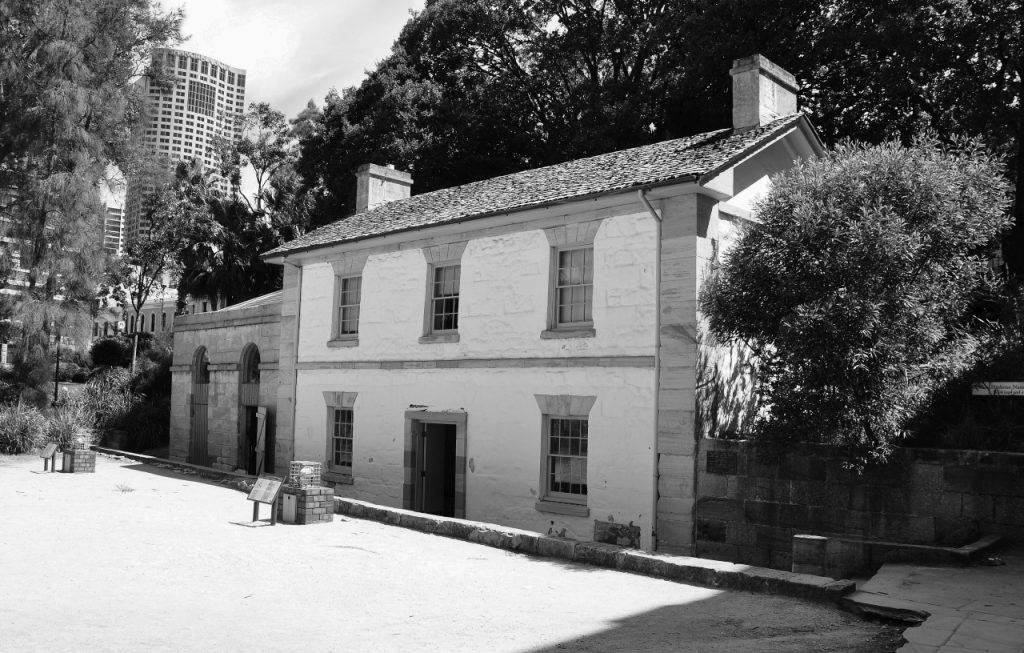
Cadmans Cottage is defined by its understated architecture, a simplicity that has allowed it to endure while more elaborate structures have vanished from the landscape. The sandstone blocks, hand‑cut and weathered by time, give the building a tactile presence that feels grounded and authentic. Its modest scale contrasts sharply with the towering buildings that now surround it, creating a visual reminder of how Sydney has grown around this small but resilient structure. The cottage’s design reflects the practical needs of the early colony, prioritising durability and function over decoration. This simplicity has become one of its greatest strengths, allowing it to remain relevant in a city that constantly reinvents itself.
| Architectural Feature | Significance |
|---|---|
| Sandstone Construction | Durability and authenticity |
| Modest Scale | Contrast with modern Sydney |
| Simple Layout | Reflects colonial practicality |
| Weathered Texture | Visible history |
The Cottage As A Heritage Landmark
Why Preservation Matters
Cadmans Cottage holds immense heritage value, not only because of its age but because it represents a rare physical link to Sydney’s earliest decades, a period that survives mostly through documents and reconstructed narratives. Preserving the building allows visitors to experience a tangible piece of the past, grounding the city’s history in something real and enduring. Heritage conservation efforts have focused on maintaining the cottage’s structural integrity while respecting its original materials and design. This careful approach ensures that the building remains authentic without becoming a polished replica of itself. The cottage’s preservation reinforces the importance of protecting historical sites that anchor a rapidly changing city.
- Rare surviving colonial structure
- Tangible connection to early Sydney
- Careful conservation practices
- Authentic materials preserved
- Importance for cultural memory
The Cottage In The Modern City
How A Colonial Building Fits Into Contemporary Sydney
Today, Cadmans Cottage sits at the edge of The Rocks, surrounded by tourists, restaurants, and modern developments that create a lively atmosphere far removed from its early colonial context. The building’s quiet presence offers a moment of stillness amid the bustle, inviting visitors to pause and consider the layers of history beneath their feet. Its survival in such a dynamic environment highlights the city’s ability to blend old and new without erasing either. The cottage serves as a reminder that Sydney’s identity is built on contrasts, where heritage and modernity coexist in unexpected ways. This coexistence gives the building renewed relevance in the present day.
| Modern Context | Effect |
|---|---|
| Tourist Precinct | Increased visibility |
| Urban Development | Strong contrast |
| Cultural Events | Renewed engagement |
| Public Access | Greater appreciation |
The Importance Of Public Access
Why Open Doors Strengthen Cultural Value
Public access to Cadmans Cottage plays a crucial role in maintaining its relevance, allowing visitors to step inside a building that has witnessed more than two centuries of change. The opportunity to explore its rooms, textures, and preserved features creates a sense of connection that cannot be replicated through photographs or signage alone. This accessibility transforms the cottage from a distant historical object into a lived experience, deepening its cultural significance. Visitors often leave with a renewed appreciation for the fragility and resilience of early colonial structures. The open doors ensure that the cottage remains a living part of Sydney’s story rather than a forgotten relic.
- Direct engagement with history
- Enhanced visitor appreciation
- Stronger cultural connection
- Preservation through awareness
- Living heritage experience
The Layers Of Social History
How The Cottage Reflects Changing Lives
Cadmans Cottage carries the imprint of countless lives that passed through its rooms, from sailors and officers to clerks and labourers who shaped the early rhythms of Sydney. Each era left subtle marks on the building, creating a layered social history that reveals how the city evolved from a penal colony into a thriving port. The cottage became a silent witness to shifting social structures, economic pressures, and the gradual emergence of a more complex urban identity. Its walls absorbed the sounds of work, conversation, and daily life, forming a quiet archive of human experience. This layered history gives the building a depth that extends far beyond its modest size.
| Social Layer | Influence |
|---|---|
| Maritime Workers | Early harbour activity |
| Government Staff | Administrative growth |
| Water Police | Law and order presence |
| Modern Visitors | Renewed cultural interest |
The Cottage And The Rocks Precinct
Why Its Location Shapes Its Identity
Cadmans Cottage sits within The Rocks, a precinct known for its cobblestone laneways, preserved buildings, and deep connection to Sydney’s earliest decades, creating a context that enhances the cottage’s significance. The surrounding area provides a historical frame that helps visitors understand the building not as an isolated relic but as part of a broader narrative of settlement and transformation. The Rocks has undergone waves of redevelopment, tourism growth, and heritage protection, all of which have influenced how the cottage is perceived. Its presence within this precinct allows it to serve as both a landmark and a quiet counterpoint to the busier attractions nearby. This relationship between building and location strengthens its cultural value.
- Surrounded by heritage buildings
- Enhanced by The Rocks’ atmosphere
- Contextualised within early Sydney
- Supported by tourism infrastructure
- Integrated into a broader historical landscape
The Cottage As A Teaching Tool
How It Helps People Understand Early Sydney
Cadmans Cottage has become an important educational resource, offering visitors a tangible way to understand the challenges and realities of early colonial life. Its preserved rooms and architectural features provide insights into the materials, labour, and design choices that shaped the colony’s earliest structures. Schools, historians, and cultural organisations use the cottage to illustrate how Sydney grew from a small settlement into a major city. The building’s simplicity makes it accessible, allowing people of all ages to connect with the past in a direct and meaningful way. This educational role ensures that the cottage remains relevant in a modern context.
| Educational Feature | Benefit |
|---|---|
| Original Sandstone | Shows early construction methods |
| Preserved Rooms | Demonstrates colonial living conditions |
| Historical Interpretation | Enhances understanding |
| Public Programs | Engages diverse audiences |
The Cottage’s Relationship With Tourism
Why Visitors Continue To Seek It Out
Despite its modest size, Cadmans Cottage attracts visitors who are drawn to its authenticity and the sense of continuity it provides within a rapidly changing city. Tourists often discover it unexpectedly while exploring The Rocks, creating a moment of surprise that contrasts with the more commercial attractions nearby. The building’s understated presence encourages a slower, more reflective engagement, offering a break from the fast pace of the surrounding precinct. Its historical significance adds depth to the visitor experience, making it a meaningful stop on any exploration of Sydney’s past. This quiet appeal has helped the cottage maintain a steady presence in the city’s tourism landscape.
- Authentic historical experience
- Unexpected discovery for visitors
- Contrast with commercial surroundings
- Reflective atmosphere
- Meaningful connection to Sydney’s past
The Cottage And Urban Preservation
How It Survived Waves Of Development
Cadmans Cottage has endured through periods of intense urban development that saw many other historical buildings demolished or altered beyond recognition. Its survival is the result of deliberate preservation efforts, public advocacy, and a growing recognition of the importance of heritage in shaping a city’s identity. The cottage stands as a reminder that progress does not require erasing the past, and that historical structures can coexist with modern architecture. Its continued presence demonstrates how thoughtful planning can protect cultural assets while allowing the city to evolve. This balance between preservation and development remains a defining feature of Sydney’s urban story.
| Preservation Factor | Outcome |
|---|---|
| Heritage Advocacy | Protected status |
| Government Support | Long‑term conservation |
| Public Interest | Increased awareness |
| Urban Planning | Integration with modern city |
The Cottage’s Symbolic Value
Why It Represents More Than Its Walls
Cadmans Cottage has become a symbol of endurance, representing the resilience of early colonial structures and the importance of remembering the foundations upon which modern Sydney was built. Its modest appearance belies the weight of its history, making it a powerful reminder of the city’s origins. The building stands as a counterpoint to the glass towers that dominate the skyline, offering a moment of reflection on how far the city has come. Its symbolic value extends beyond architecture, touching on themes of identity, memory, and continuity. This deeper meaning gives the cottage a significance that transcends its physical form.
- Symbol of resilience
- Reminder of early Sydney
- Contrast with modern skyline
- Reflection on identity
- Connection to cultural memory
The Cottage In Contemporary Culture
How It Continues To Inspire
Cadmans Cottage continues to inspire artists, writers, photographers, and historians who see in it a rare blend of simplicity and depth that invites interpretation. Its weathered sandstone, quiet rooms, and harbour‑side setting provide a canvas for creative exploration that resonates across generations. The building’s ability to evoke emotion without grandeur makes it a compelling subject for storytelling and artistic expression. Contemporary culture often seeks authenticity, and the cottage offers it in abundance. This ongoing inspiration ensures that the building remains part of Sydney’s cultural imagination.
| Cultural Influence | Expression |
|---|---|
| Photography | Captures texture and history |
| Writing | Inspires reflective narratives |
| Art | Evokes themes of time and memory |
| Heritage Projects | Reinforces cultural identity |
The Future Of Cadmans Cottage
Why Its Relevance Continues To Grow
The future of Cadmans Cottage lies in its ability to remain a meaningful link between Sydney’s past and its rapidly evolving present, offering a grounded perspective in a city defined by constant change. As urban development continues, the cottage’s value as a heritage anchor becomes even more important, reminding residents and visitors of the city’s origins. Future conservation efforts will focus on maintaining its structural integrity while enhancing public engagement through interpretation, events, and educational programs. The building’s relevance will grow as Sydney seeks to balance innovation with preservation. Cadmans Cottage will continue to stand as a quiet but powerful symbol of continuity.
- Increasing heritage importance
- Continued conservation efforts
- Expanded public engagement
- Balance between old and new
- Growing cultural relevance
Conclusion
Cadmans Cottage remains one of Sydney’s most significant historical landmarks, not because of its size or grandeur but because of the depth of its story and the quiet strength of its presence. It has survived shifting shorelines, changing governments, evolving urban landscapes, and the relentless pace of modern development, yet it continues to offer a moment of stillness in a city that rarely pauses. Its sandstone walls hold the memory of early colonial life, maritime activity, and the countless individuals who shaped the city’s early identity.
Today, it stands as a bridge between past and present, reminding visitors that history is not an abstract idea but a living thread woven into the fabric of everyday life. Cadmans Cottage endures as a testament to resilience, continuity, and the importance of preserving the stories that define a city.
Cadmans Cottage 1816 And Its Powerful Story In Modern Sydney – Photos By Mike Fernandes
Join The Discussion
Share your thoughts on Cadmans Cottage, your experiences visiting the site, or what you believe its role should be in Sydney’s future. Your perspective adds to the ongoing conversation about how historical places can remain relevant in a modern world.
#CadmansCottage #SydneyHistory #TheRocksSydney #HeritageSydney #HistoricBuildings #SydneyCulture


