
The Adaptable Sydney’s Historic Neighborhoods Transformation
Adaptable Sydney
Sydney’s Historic Neighborhoods – Layers Of Change Across Time
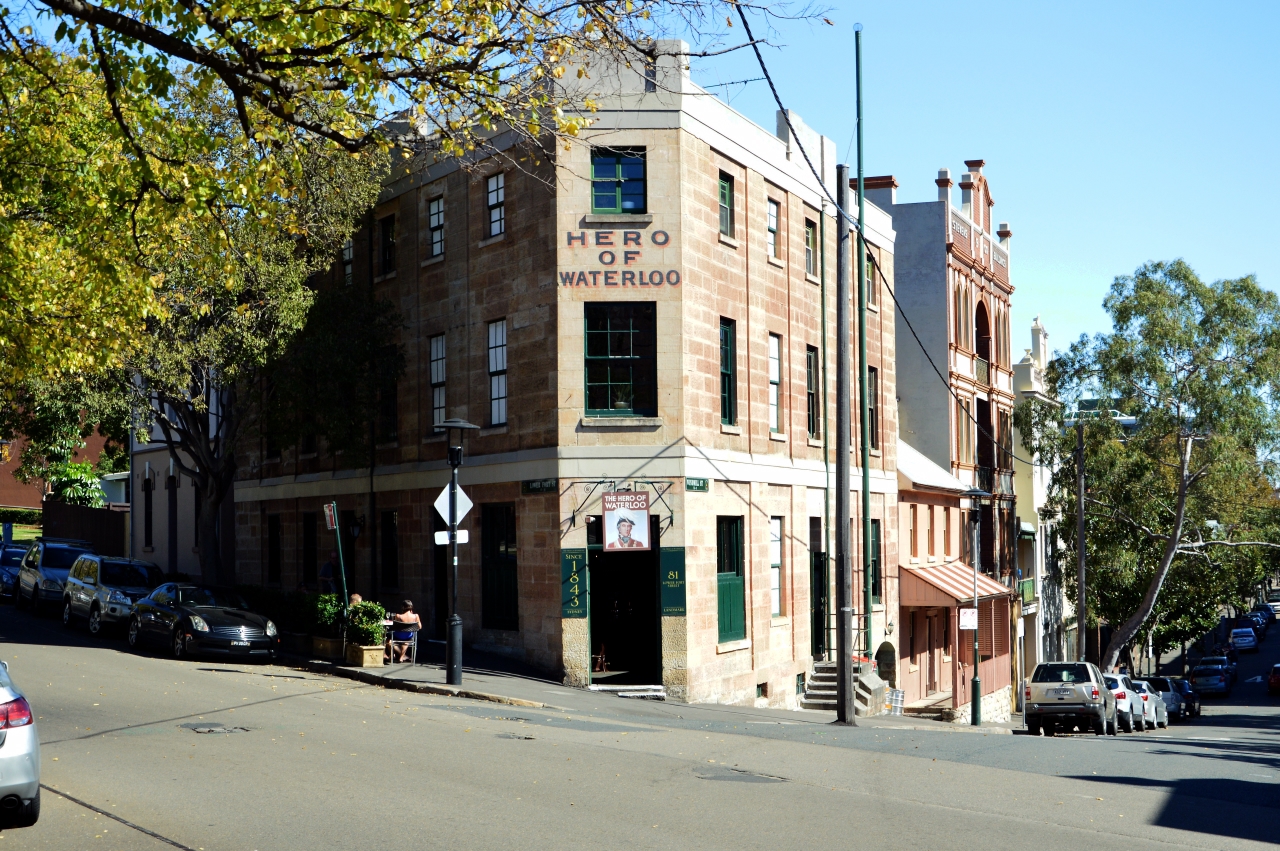
Sydney’s historic neighborhoods have undergone profound transformations since the city’s foundation in 1788. Areas that once served as convict quarters, industrial hubs, or maritime precincts have evolved into cultural, residential, and commercial districts. The Rocks, Darlinghurst, Paddington, Redfern, and Surry Hills each tell distinct stories of adaptation and renewal. These neighborhoods reflect Sydney’s ability to preserve heritage while embracing modern development. The transformation is visible in architecture, demographics, and cultural life.
Industrial warehouses have become galleries, breweries, and creative spaces. Former working‑class suburbs now host vibrant multicultural communities. Heritage conservation has ensured that sandstone buildings, terraces, and laneways remain integral to Sydney’s identity. Urban planning has balanced preservation with infrastructure upgrades. Tourism has flourished in areas where history is celebrated alongside contemporary attractions. Sydney’s neighborhoods embody the city’s resilience and capacity for reinvention.
The Rocks – From Convict Settlement To Cultural Precinct
| Aspect | Past | Present |
|---|---|---|
| Origins | Established in 1788 as convict housing | Preserved as heritage precinct |
| Architecture | Sandstone cottages and warehouses | Restored buildings with museums and shops |
| Economy | Maritime and industrial hub | Tourism and hospitality centre |
| Population | Working‑class residents | Mixed community with cultural institutions |
| Landmarks | Cadmans Cottage, Argyle Cut | The Rocks Discovery Museum, weekend markets |
| Role | Colonial foundation of Sydney | Cultural and historical attraction |
| Transformation | Decline in 20th century | Revitalization through conservation |
| Symbolism | Hardship and survival | Heritage and tourism identity |
Paddington – Victorian Elegance Preserved
Paddington developed in the mid‑19th century as a residential suburb for artisans and workers. Its Victorian terraces, built with ornate ironwork and narrow frontages, remain some of the finest examples of heritage housing in Sydney. The suburb’s transformation began in the late 20th century when gentrification brought new residents and investment. Art galleries, boutiques, and cafes replaced traditional corner shops. Oxford Street became a hub for fashion and cultural events.
Heritage conservation programs ensured that terraces were restored rather than demolished. Paddington Markets, established in 1973, highlight the suburb’s creative spirit. The area now balances residential life with cultural vibrancy. Paddington’s transformation demonstrates how heritage architecture can coexist with modern urban living. Its identity remains tied to Victorian elegance while embracing contemporary creativity. The suburb is a model of adaptive reuse and cultural preservation. Paddington continues to attract visitors and residents who value history and style.
Redfern – From Industrial Roots To Cultural Renewal
- Originally developed as an industrial and working‑class suburb
- Known for railway workshops and factories in the 19th century
- Became a centre for Indigenous activism in the 20th century
- Redfern Park hosted the historic 1995 Paul Keating Redfern Speech
- Urban renewal projects revitalized housing and public spaces
- Carriageworks transformed into a contemporary arts venue
- Multicultural communities contribute to Redfern’s identity today
- Represents resilience, activism, and cultural transformation
Darlinghurst – From Convict Barracks To Creative Hub
Darlinghurst began as a site for convict barracks and military installations in the early 19th century. By the late 1800s, it had developed into a dense residential suburb with terrace housing. The area became associated with nightlife, crime, and social struggles in the 20th century. Oxford Street emerged as a centre for LGBTQIA+ culture and activism. Darlinghurst Gaol, once a symbol of punishment, was repurposed as the National Art School. Gentrification brought new residents, cafes, and creative industries. Heritage buildings were preserved while modern apartments were introduced.
The suburb now hosts a new way of culture and lifestyle from galleries, theatres, and cultural festivals. Darlinghurst’s transformation reflects Sydney’s social evolution and inclusivity. It remains a hub for creativity and diversity. The area’s layered history is visible in its architecture and cultural institutions. Darlinghurst embodies the balance between heritage preservation and social progress.
Surry Hills – From Working Class To Creative District
| Aspect | Past | Present |
|---|---|---|
| Origins | 19th‑century working‑class suburb | Gentrified creative district |
| Housing | Small terraces and boarding houses | Restored terraces and apartments |
| Industry | Breweries and factories | Cafes, restaurants, and design studios |
| Demographics | Migrant and working‑class families | Artists, professionals, and multicultural residents |
| Landmarks | Old breweries and warehouses | Contemporary galleries and dining precincts |
| Role | Industrial and residential hub | Creative and cultural centre |
| Transformation | Decline in mid‑20th century | Renewal through investment and gentrification |
| Symbolism | Hardship and resilience | Creativity and cultural vibrancy |
Balmain – Maritime Heritage To Residential Charm
Balmain developed as a maritime and industrial suburb in the 19th century. Shipyards, docks, and factories dominated its landscape. Working‑class families lived in modest cottages near the waterfront. The decline of industry in the late 20th century led to transformation. Heritage cottages were restored and repurposed as desirable residences. Balmain Markets highlight its creative and community spirit. The suburb now balances heritage with modern living. Its maritime history remains visible in preserved docks and waterfront landmarks. Balmain’s transformation reflects Sydney’s shift from industry to lifestyle. The suburb is celebrated for its charm and heritage character. Balmain continues to attract residents who value history and community. Its identity is rooted in maritime heritage and cultural renewal.
Glebe – Academic Influence And Cultural Diversity
- Developed in the 19th century with Victorian terraces
- Close to the University of Sydney, influencing its identity
- Known for bookshops, cafes, and intellectual culture
- Glebe Markets showcase creativity and multiculturalism
- Heritage conservation preserved terraces and churches
- Diverse communities contribute to Glebe’s vibrancy
- Transformation reflects academic influence and cultural diversity
- Glebe remains a hub for students, artists, and residents valuing heritage
Newtown – Counterculture To Contemporary Creativity
Newtown emerged as a working‑class suburb in the 19th century. By the late 20th century, it became associated with counterculture, activism, and alternative lifestyles. King Street developed into a hub for multicultural dining and independent shops. The suburb hosts music venues, theatres, and cultural festivals. Gentrification brought new residents while preserving its alternative spirit. Heritage terraces coexist with modern apartments and creative spaces. Newtown’s transformation reflects Sydney’s embrace of diversity and creativity. It remains a hub for youth culture and artistic expression. The suburb’s layered identity is visible in its streets and institutions. Newtown continues to attract visitors seeking cultural vibrancy. Its transformation demonstrates resilience and adaptability.
Millers Point – Maritime Heritage To Residential Renewal
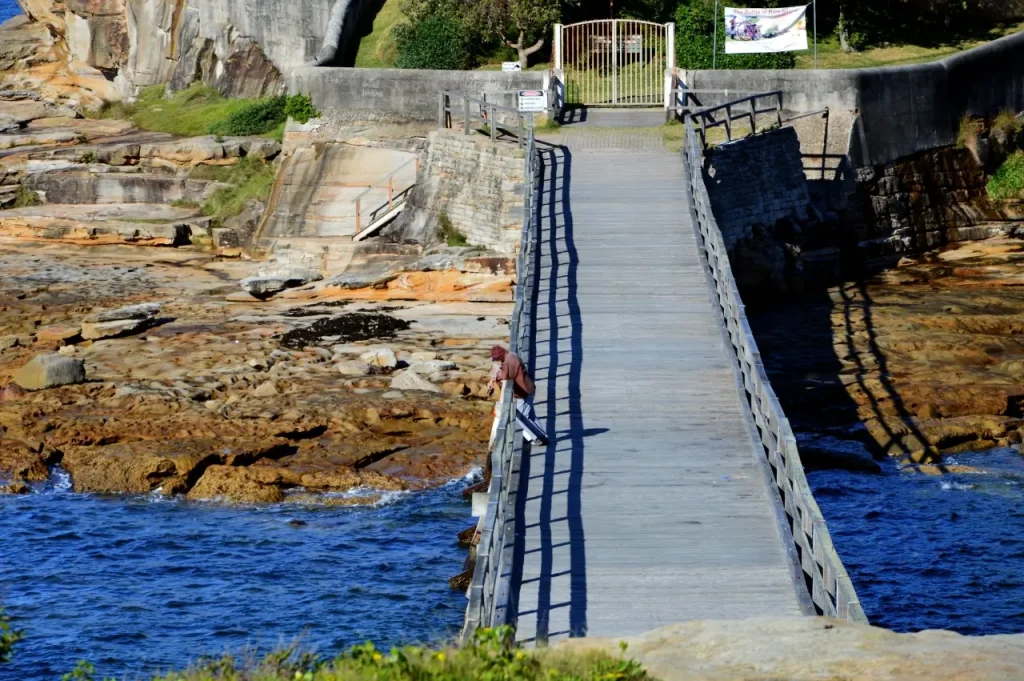
Millers Point developed in the early 19th century as a maritime hub supporting Sydney’s shipping industry. The area was home to dockworkers, sailors, and their families, living in modest cottages near the waterfront. Its identity was shaped by wharves, warehouses, and maritime commerce that dominated the precinct. By the late 20th century, Millers Point faced decline as shipping moved to other parts of Sydney.
The area became a focus of social housing, reflecting Sydney’s commitment to supporting working‑class residents. In recent years, redevelopment has introduced new residential projects while retaining heritage character. The transformation has been controversial, balancing heritage preservation with modern housing demands. Millers Point now represents both maritime history and contemporary urban living. Its streets and buildings remain symbols of Sydney’s industrial past. The neighborhood continues to evolve while maintaining its heritage identity. Millers Point demonstrates the challenges of balancing history with modern development.
Pyrmont – Industrial Decline To Urban Renewal
| Aspect | Past | Present |
|---|---|---|
| Industry | Flour mills, wool stores, and factories | Media, technology, and residential precinct |
| Housing | Working‑class cottages and boarding houses | Modern apartments and restored terraces |
| Economy | Industrial hub supporting Sydney’s growth | Tourism, dining, and creative industries |
| Landmarks | Old wool stores and wharves | Star Casino, Darling Harbour precinct |
| Transformation | Decline in mid‑20th century | Revitalization through redevelopment |
| Role | Industrial foundation of Sydney | Modern urban lifestyle centre |
| Symbolism | Hardship and industry | Renewal and creativity |
| Identity | Working‑class heritage | Contemporary urban vibrancy |
Ultimo – Education And Innovation
Ultimo developed in the 19th century as a working‑class suburb with factories and warehouses. Its transformation began with the establishment of educational institutions such as the University of Technology Sydney. The Powerhouse Museum, located in Ultimo, highlights science, technology, and design. Former industrial buildings were repurposed as student housing, offices, and creative spaces. Ultimo’s proximity to Central Station made it a transport hub for workers and students. The area now hosts technology startups and innovation precincts. Heritage warehouses coexist with modern architecture, reflecting adaptive reuse.
Ultimo’s transformation demonstrates the role of education and innovation in urban renewal. The neighborhood remains a hub for students, professionals, and creative industries. Its identity is shaped by both industrial heritage and modern progress. Ultimo continues to evolve as Sydney’s knowledge and innovation centre. The area highlights the importance of education in shaping urban identity.
Chippendale – From Industry To Creative Precinct
- Originally developed with factories and warehouses in the 19th century
- Declined in the mid‑20th century as industry moved elsewhere
- Transformation began with adaptive reuse of heritage buildings
- Central Park development introduced modern apartments and green spaces
- White Rabbit Gallery showcases contemporary Chinese art
- Cafes and creative studios revitalized the suburb
- Heritage conservation preserved terraces and industrial structures
- Chippendale now represents creativity, diversity, and urban renewal
- The neighborhood balances heritage with modern design
- Cultural institutions highlight its transformation
- Chippendale attracts residents and visitors seeking creativity
- Its identity reflects resilience and adaptation
Waterloo – Social Housing To Urban Redevelopment
Waterloo developed in the 19th century as a working‑class suburb with factories and housing. By the mid‑20th century, it became a centre for social housing projects. The Waterloo Estate reflected Sydney’s commitment to affordable housing. In recent years, redevelopment has transformed the area with new apartments and infrastructure. Heritage buildings have been preserved alongside modern developments. Multicultural communities contribute to Waterloo’s identity. Public spaces and parks highlight urban renewal efforts. The neighborhood remains a focus of debate about housing and social equity. Waterloo’s transformation demonstrates the challenges of balancing heritage, community, and development. Its identity reflects both resilience and change. The area continues to evolve as Sydney addresses housing needs. Waterloo highlights the importance of inclusive urban planning.
Alexandria – Industrial Past To Creative Present
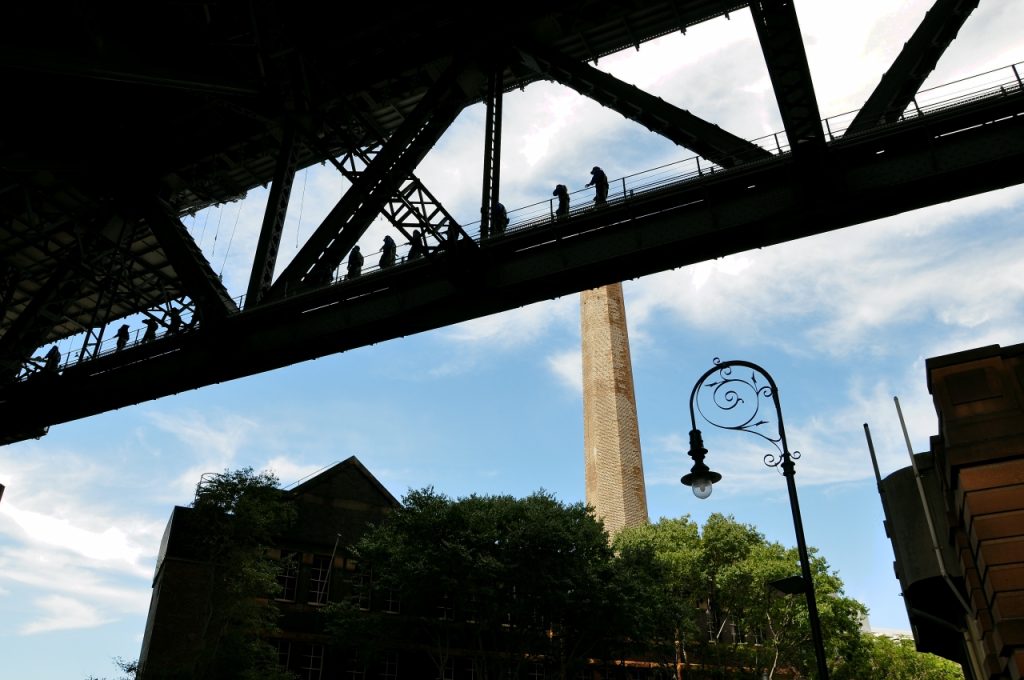
Alexandria developed in the 19th century as one of Sydney’s most important industrial suburbs, filled with factories, warehouses, and workshops that supported the city’s growth. Its streets were lined with brick buildings that housed industries ranging from textiles to engineering, reflecting Sydney’s industrial expansion. By the mid‑20th century, Alexandria experienced decline as manufacturing moved elsewhere, leaving behind vacant warehouses and underused land. Urban renewal projects in the late 20th and early 21st centuries transformed these spaces into creative hubs, breweries, and design studios. Adaptive reuse preserved heritage architecture while introducing modern functions, ensuring continuity of identity.
The suburb became popular with young professionals and creative industries, reshaping its demographic profile. Green spaces and community initiatives balanced industrial heritage with modern living. The suburb now represents resilience and creativity, showcasing how industrial decline can lead to cultural renewal. Alexandria’s transformation highlights the importance of adaptive reuse in urban planning. Its identity remains tied to industry while embracing innovation. The area continues to evolve as a model of heritage preservation and creative development.
Woolloomooloo – Naval Heritage To Urban Lifestyle
| Aspect | Past | Present |
|---|---|---|
| Industry | Naval dockyards and maritime housing | Restaurants, apartments, and cultural venues |
| Housing | Working‑class terraces and boarding houses | Restored terraces and modern developments |
| Economy | Maritime and industrial hub | Tourism, dining, and creative industries |
| Landmarks | Finger Wharf, naval facilities | Finger Wharf apartments, restaurants, hotels |
| Transformation | Decline in mid‑20th century | Renewal through redevelopment |
| Role | Naval and industrial precinct | Urban lifestyle destination |
| Symbolism | Maritime heritage | Modern waterfront living |
| Identity | Working‑class and naval roots | Cultural and residential vibrancy |
Annandale – Federation Charm To Community Renewal
- Developed in the late 19th century with Federation‑style housing
- Known for wide streets and distinctive architecture
- Declined in mid‑20th century as residents moved to outer suburbs
- Heritage conservation preserved Federation houses and churches
- Community initiatives revitalized parks and public spaces
- Local cafes and shops strengthened neighborhood identity
- Annandale Markets highlight creativity and community spirit
- Transformation reflects balance between heritage and modern living
- The suburb remains attractive for families and professionals
- Its identity is rooted in Federation charm and community renewal
- Annandale demonstrates resilience and adaptation across decades
- The area continues to evolve while preserving its heritage character
Camperdown – Academic Influence And Urban Renewal
Camperdown developed in the 19th century as a residential suburb near the University of Sydney. Its identity was shaped by proximity to academic institutions, hospitals, and student housing. The suburb declined in the mid‑20th century as industrial expansion and urban sprawl changed demographics.
Heritage terraces and churches were preserved by people power through conservation programs. Urban renewal introduced modern apartments and infrastructure, balancing heritage with progress. Camperdown Park became a focal point for community life, hosting events and recreation. The Royal Prince Alfred Hospital reinforced Camperdown’s role as a medical and academic hub. The area now attracts students, professionals, and families seeking heritage and convenience. Camperdown’s transformation reflects the influence of education and healthcare on urban identity. Its layered history is visible in architecture and institutions. The suburb continues to evolve as a centre for knowledge and community. Camperdown demonstrates how academic influence shapes neighborhood transformation.
Petersham – Portuguese Identity And Heritage Preservation
| Aspect | Past | Present |
|---|---|---|
| Origins | 19th‑century residential suburb | Multicultural community with Portuguese influence |
| Housing | Victorian terraces and cottages | Restored heritage housing |
| Economy | Local shops and small industries | Restaurants, cafes, and cultural venues |
| Landmarks | Heritage churches and schools | Portuguese restaurants and cultural centres |
| Transformation | Decline in mid‑20th century | Renewal through multicultural identity |
| Role | Residential and working‑class suburb | Cultural and culinary destination |
| Symbolism | Heritage and resilience | Multicultural vibrancy |
| Identity | Victorian heritage | Portuguese cultural influence |

Marrickville – Multicultural Hub And Creative District
- Developed in the 19th century with working‑class housing and industry
- Became home to Greek, Vietnamese, and Portuguese communities in the 20th century
- Known for multicultural dining and cultural festivals
- Heritage conservation preserved terraces and industrial buildings
- Creative industries revitalized warehouses into studios and galleries
- Marrickville Markets highlight multicultural food and crafts
- The suburb balances heritage with modern creativity
- Transformation reflects resilience and multicultural identity
- Marrickville remains a hub for diversity and innovation
- Its layered history is visible in architecture and culture
- The area continues to evolve as a creative district
- Marrickville demonstrates how multiculturalism shapes neighborhood transformation
Glebe Island And White Bay – Industrial Decline To Redevelopment
Glebe Island and White Bay developed as major industrial and shipping precincts in the 19th century. They housed wharves, warehouses, and factories supporting Sydney’s maritime economy. By the late 20th century, industrial decline left large areas underused. Redevelopment projects introduced new infrastructure and cultural venues. Heritage structures were preserved while modern facilities were added.
The precincts now host events, exhibitions, and creative industries. Their transformation reflects Sydney’s shift from industry to culture. Glebe Island and White Bay remain symbols of maritime heritage. They demonstrate resilience and adaptation across decades. The areas continue to evolve as cultural and residential precincts. Their identity is rooted in maritime history and renewal. Glebe Island and White Bay highlight the importance of adaptive reuse in urban planning.
Kings Cross – Nightlife To Cultural Renewal
| Aspect | Past | Present |
|---|---|---|
| Origins | 19th‑century residential suburb | Entertainment and cultural precinct |
| Identity | Associated with nightlife and crime | Revitalized with cafes and cultural venues |
| Housing | Terraces and apartments | Restored heritage housing |
| Economy | Entertainment and nightlife | Tourism and creative industries |
| Landmarks | Coca‑Cola sign, theatres | Revitalized cultural venues |
| Transformation | Decline in mid‑20th century | Renewal through cultural initiatives |
| Role | Entertainment hub | Creative and cultural destination |
| Symbolism | Nightlife and resilience | Renewal and diversity |
| Identity | Layered history | Contemporary cultural vibrancy |
Conclusion – Neighborhoods As Living Heritage
Sydney’s historic neighborhoods embody transformation across centuries, each reflecting adaptation from convict settlements, industrial hubs, or working‑class suburbs to cultural and creative districts. Heritage conservation has ensured that architecture remains integral to identity, while gentrification and renewal have brought new residents and investment. Cultural institutions highlight history while fostering creativity, and tourism thrives in areas where heritage is celebrated. Multicultural communities enrich neighborhoods with traditions and diversity, ensuring that Sydney’s identity remains dynamic.
These neighborhoods demonstrate resilience and reinvention, balancing preservation with progress. Their transformation reflects Sydney’s broader evolution as a global city. Each area remains a living heritage site, inspiring residents and visitors alike. Sydney’s neighborhoods continue to evolve while preserving their layered identities. Their transformation highlights the importance of adaptive reuse, inclusivity, and creativity. Sydney’s historic neighborhoods remain central to its cultural and social identity. They stand as enduring symbols of resilience and adaptation.
Join The Discussion
Sydney’s historic neighborhoods tell stories of resilience, adaptation, and creativity.
#Sydney #Neighborhoods #Heritage #Culture #Transformation #Australia


Great post! I’m going to share this with a friend.
I like how you kept it informative without being too technical.