A Interesting Sydney Marvel Of What Makes Sydney Interesting
A Interesting Sydney Marvel – A City Of Global Fascination
Sydney is often described as Australia’s most internationally recognized city, and this reputation is built upon a foundation of history, culture, and natural beauty. The city sits on the southeastern coast of Australia, facing the Pacific Ocean, and has grown into a metropolis with more than five million residents. Its origins trace back to 1788 when the First Fleet established a penal colony, marking the beginning of modern Australia. Over centuries, Sydney transformed from a colonial outpost into a thriving hub of commerce, tourism, and multicultural life. The city’s appeal lies in its ability to balance modern skyscrapers with preserved heritage buildings, offering a sense of continuity between past and present.
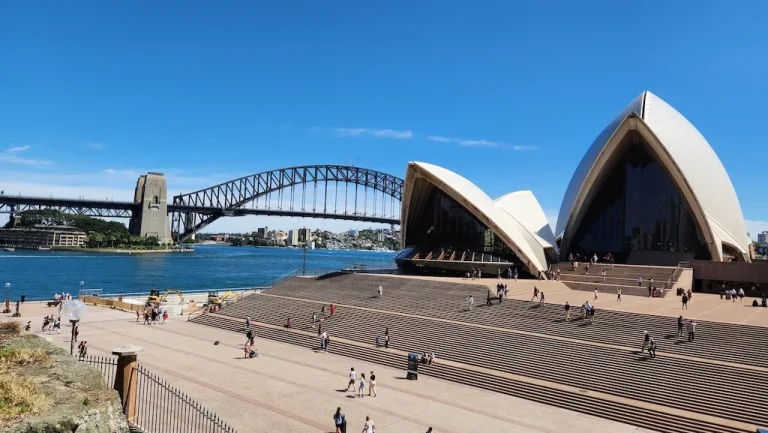
Sydney’s climate is temperate, with warm summers and mild winters, making it attractive for outdoor living and tourism. The city is home to iconic landmarks such as the Sydney Opera House and Sydney Harbour Bridge, which are recognized worldwide. Beyond its architecture, Sydney is celebrated for its beaches, ranging from Bondi to Manly, each offering unique coastal experiences. The city also thrives on its diverse population, with communities from across the globe contributing to its cultural richness. Sydney’s economy is strong, driven by finance, technology, and tourism, ensuring its place as a leading global city. This introduction sets the stage for exploring the many dimensions that make Sydney fascinating.
Sydney Harbour – The Heart Of The City
| Feature | Description |
|---|---|
| Location | Central to Sydney, connecting the city to the Pacific Ocean |
| Landmark | Sydney Harbour Bridge, one of the world’s longest steel arch bridges |
| Icon | Sydney Opera House, UNESCO World Heritage Site |
| Activities | Ferry rides, sailing, kayaking, and harbour cruises |
| Wildlife | Dolphins, fish species, and seabirds |
| Size | Approximately 240 kilometers of shoreline |
| Cultural Role | Venue for New Year’s Eve fireworks and Vivid Sydney festival |
| Historical Role | Site of early colonial settlement |
| Accessibility | Integrated with public transport and ferry networks |
| Tourism | Millions of visitors annually |
| Economy | Supports shipping, tourism, and recreation |
| Symbolism | Represents Sydney’s identity globally |
Beaches And Coastal Lifestyle – A Natural Attraction
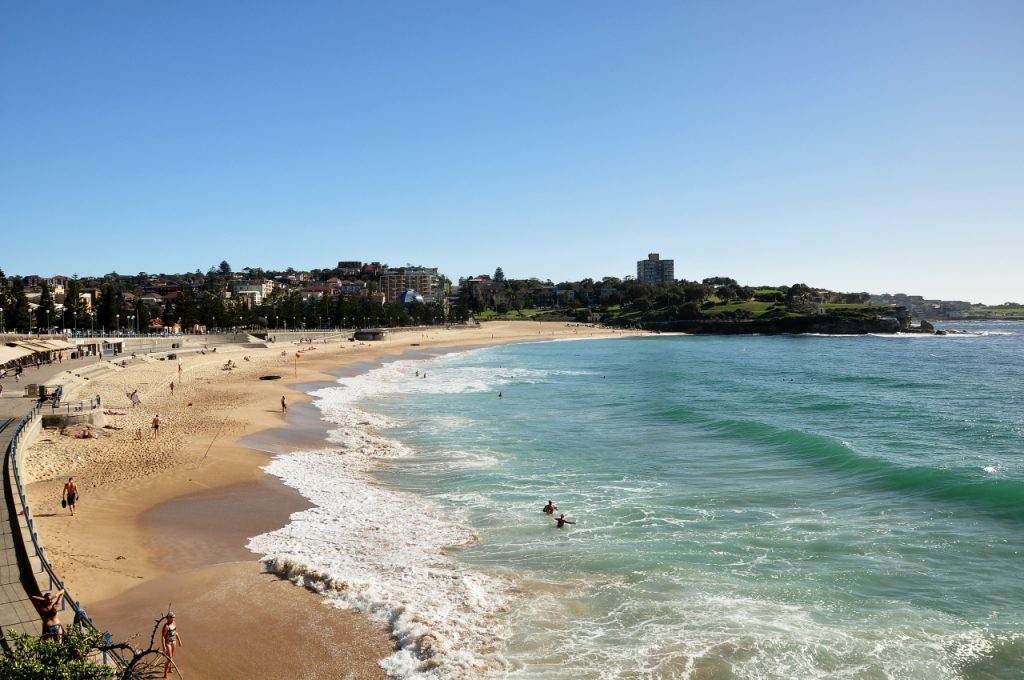
Sydney’s beaches are among the most famous in the world, offering both leisure and sporting opportunities. Bondi Beach is perhaps the most iconic, known for its surf culture and vibrant community. Manly Beach provides a more relaxed atmosphere, accessible by ferry across the harbour. Coogee Beach is popular with families, offering calmer waters and coastal walks. The beaches are not only recreational spaces but also cultural landmarks, shaping Sydney’s identity as a city of outdoor living. Surf lifesaving clubs are integral to beach culture, ensuring safety and fostering community spirit. Sydney’s beaches also serve ecological functions, supporting marine biodiversity and acting as natural buffers against erosion.
The accessibility of beaches within minutes of the central business district highlights Sydney’s unique geography. International visitors often cite the beaches as a primary reason for visiting the city. Local residents embrace the coastal lifestyle as part of their daily routines, reinforcing Sydney’s reputation for healthy living. The beaches symbolize freedom, relaxation, and connection to nature, making them central to Sydney’s appeal.
Sydney Opera House – Architectural Wonder
- Designed by Danish architect Jørn Utzon
- Construction began in 1959 and completed in 1973
- Recognized as a UNESCO World Heritage Site
- Famous for its sail-like roof design
- Hosts more than 1,500 performances annually
- Attracts over 10 million visitors each year
- Venue for opera, ballet, theatre, and concerts
- Symbol of modern architecture and engineering innovation
- Located on Bennelong Point overlooking the harbour
- Built with over one million roof tiles manufactured in Sweden
- Represents Australia’s cultural identity worldwide
- Serves as a hub for artistic excellence
Sydney Harbour Bridge – Engineering Achievement
| Feature | Description |
|---|---|
| Type | Steel arch bridge |
| Length | 1,149 meters |
| Height | 134 meters above water |
| Opened | 1932 |
| Nickname | The Coathanger |
| Function | Connects Sydney CBD with North Shore |
| Activities | BridgeClimb experience for visitors |
| Traffic | Carries rail, vehicles, bicycles, and pedestrians |
| Construction | Took eight years to complete |
| Steel Used | 52,800 tonnes |
| Cultural Role | Central to New Year’s Eve fireworks |
| Symbolism | Represents Sydney’s resilience and progress |
Multicultural Identity – Diversity And Inclusion
Sydney is one of the most multicultural cities in the world, with nearly 40 percent of residents born overseas. This diversity enriches the city’s cultural landscape, creating a vibrant mix of traditions, cuisines, and festivals. Chinatown, Little Italy, and other cultural precincts highlight the contributions of immigrant communities. The city celebrates Lunar New Year, Diwali, and other global festivals, reflecting its inclusive spirit. Multiculturalism also influences Sydney’s food scene, offering cuisines from every continent.
The diversity extends to languages, with hundreds spoken across the metropolitan area. Religious practices are equally varied, with Christianity, Islam, Buddhism, Hinduism, and other faiths represented. Sydney’s universities attract international students, further enhancing cultural exchange. The city’s policies emphasize inclusion and equality, fostering harmony among communities. Multiculturalism strengthens Sydney’s economy by connecting it to global markets. It also enriches the arts, with multicultural theatre, music, and exhibitions thriving. Sydney’s identity as a global city is inseparable from its multicultural foundation.
Royal Botanic Garden – Green Sanctuary
The Royal Botanic Garden in Sydney is one of the oldest scientific institutions in Australia, established in 1816. It covers 30 hectares along the harbour, offering both native and exotic plant collections. The garden is home to themed areas such as the Palm Grove and the Rainforest Walk. It also houses the Herbarium, which contains over one million preserved plant specimens. The location provides panoramic views of Sydney Harbour and the Opera House. Educational programs and guided tours highlight the importance of biodiversity and conservation. The garden is free to enter, making it accessible to both locals and tourists. Its role as a living museum ensures that Sydney maintains a strong connection to nature within its urban core.
Taronga Zoo – Wildlife Experience
| Feature | Description |
|---|---|
| Location | Mosman, overlooking Sydney Harbour |
| Established | 1916 |
| Animals | Over 4,000 animals from 350 species |
| Conservation | Breeding programs for endangered species |
| Accessibility | Ferry services from Circular Quay |
| Education | Wildlife talks and interactive exhibits |
| Global Role | Member of World Association of Zoos and Aquariums |
| Tourism | Attracts more than 1.5 million visitors annually |
Darling Harbour – Entertainment Hub
Darling Harbour is a redeveloped precinct that serves as a major entertainment and leisure destination. It features attractions such as SEA LIFE Sydney Aquarium and WILD LIFE Sydney Zoo. The area includes the Australian National Maritime Museum, showcasing naval history and maritime heritage. Darling Harbour hosts regular festivals, fireworks, and cultural events. The precinct is lined with restaurants, cafes, and shops, making it a vibrant social space. It is easily accessible by light rail, ferries, and pedestrian walkways. The International Convention Centre Sydney has been rebuilt into a new structure and is located here, hosting conferences and exhibitions of all sizes. Darling Harbour’s transformation from industrial docks to a cultural hub reflects Sydney’s adaptability and vision.
Sydney Tower Eye – Panoramic Views
- Tallest structure in Sydney at 309 meters
- Opened to the public in 1981
- Observation deck offers 360-degree views of the city
- Skywalk experience allows visitors to walk outside at 268 meters high
- Houses restaurants and dining facilities at the tower’s summit
- Serves as a telecommunications and broadcasting facility
- Provides views extending to the Blue Mountains and Pacific Ocean
- Symbolizes Sydney’s modern skyline and urban growth
The Rocks – Historic Precinct
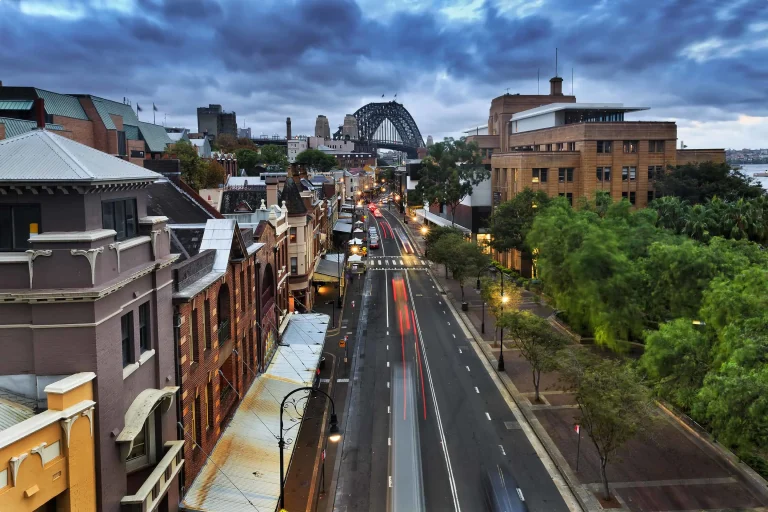
The Rocks is Sydney’s oldest neighbourhood, located near Circular Quay. It was established shortly after European settlement in 1788. The area retains cobblestone streets, sandstone buildings, and heritage pubs. The Rocks Discovery Museum showcases the history of early settlers and Indigenous heritage. Weekly markets have grown in popularity and offer local crafts, food, and souvenirs. The precinct is a popular destination for walking tours, highlighting colonial and convict history. The Rocks also hosts cultural festivals and art exhibitions. Its preservation demonstrates Sydney’s commitment to maintaining historical identity alongside modern development.
Sydney Ferries – Iconic Transport
| Feature | Description |
|---|---|
| Network | Operates across Sydney Harbour and Parramatta River |
| Established | 1861 |
| Fleet | Modern catamarans and traditional ferries |
| Routes | Connect Circular Quay to Manly, Taronga Zoo, and suburbs |
| Role | Integral part of Sydney’s public transport system |
| Tourism | Offers scenic journeys across the harbour |
| Accessibility | Integrated with Opal card ticketing system |
| Symbolism | Represents Sydney’s maritime heritage |
Hyde Park – Urban Oasis
Hyde Park is the oldest public park in Australia, established in 1810. It covers 16 hectares in the heart of Sydney’s central business district. The park features the Archibald Fountain, a landmark commemorating Franco-Australian relations. It also contains the ANZAC War Memorial, honouring soldiers of World War I. Hyde Park is a venue for public gatherings, protests, and cultural events. Its tree-lined avenues provide shade and relaxation for city workers and visitors. The park is divided into northern and southern sections, each with distinct features. Hyde Park remains a vital green space, balancing urban density with natural beauty.
Sydney Cricket Ground – Sporting Tradition
- Established in 1848 as a venue for cricket
- Hosts international cricket matches including Ashes series
- Also used for rugby, Australian rules football, and concerts
- Capacity of approximately 48,000 spectators
- Home ground for Sydney Sixers and Sydney Swans
- Venue for historic sporting moments in Australian history
- Equipped with modern facilities and heritage stands
- Represents Sydney’s passion for sport and community gatherings
Art Gallery Of New South Wales – Cultural Showcase
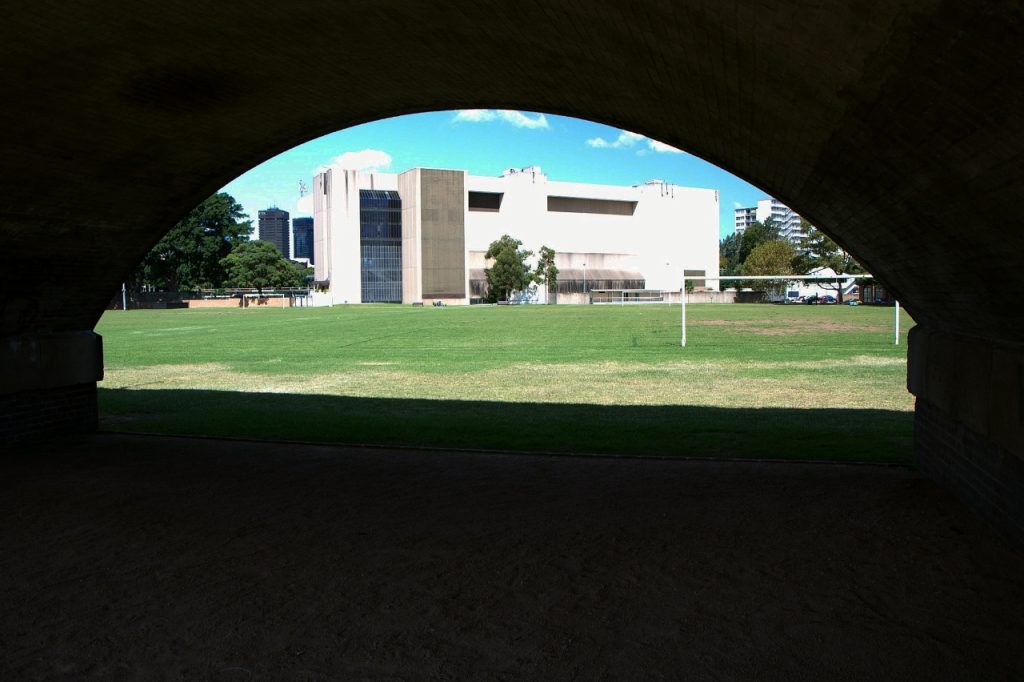
The Art Gallery of New South Wales is one of Australia’s leading art museums, established in 1871. It houses collections of Australian, European, and Asian art, spanning centuries of creativity. The gallery is located close to Sydney’s central business district. It features permanent exhibitions as well as rotating international displays. Indigenous Australian art is a central focus, highlighting cultural heritage and contemporary voices. The gallery offers free entry to most exhibitions, making it accessible to the public. Educational programs and workshops support community engagement with the arts. Its role as a cultural institution strengthens Sydney’s reputation as a city of creativity and learning.
Sydney Fish Market – Culinary Destination
| Feature | Description |
|---|---|
| Location | Pyrmont, near Darling Harbour |
| Established | 1945 |
| Scale | Largest seafood market in the Southern Hemisphere |
| Products | Over 100 species of seafood sold daily |
| Facilities | Auction floor, retail shops, restaurants |
| Education | Seafood School offering cooking classes |
| Tourism | Attracts millions of visitors annually |
| Economy | Supports fishing industry and local businesses |
Blue Mountains Excursion – Natural Escape
The Blue Mountains lie west of Sydney, forming part of the Great Dividing Range. They are named for the blue haze created by eucalyptus oil in the atmosphere. The region is a UNESCO World Heritage Site, recognized for its biodiversity and geological formations. Attractions include some stunning sites like the Three Sisters rock formation and Scenic World cableway. Bushwalking trails provide access to waterfalls, valleys, and forests. The area is home to diverse wildlife, including lyrebirds and wallabies. Day trips from Sydney are popular due to the proximity of the mountains. The Blue Mountains highlight Sydney’s connection to natural landscapes beyond the urban environment.
Sydney Mardi Gras – Celebration Of Diversity
- Annual LGBTQIA+ festival held since 1978
- Parade attracts hundreds of thousands of spectators
- Features floats, costumes, and performances along Oxford Street
- Promotes equality, inclusion, and human rights
- Recognized internationally as one of the largest pride events
- Includes parties, art exhibitions, and community forums
- Supported by local government and global sponsors
- Symbolizes Sydney’s progressive and inclusive spirit
Queen Victoria Building – Architectural Landmark
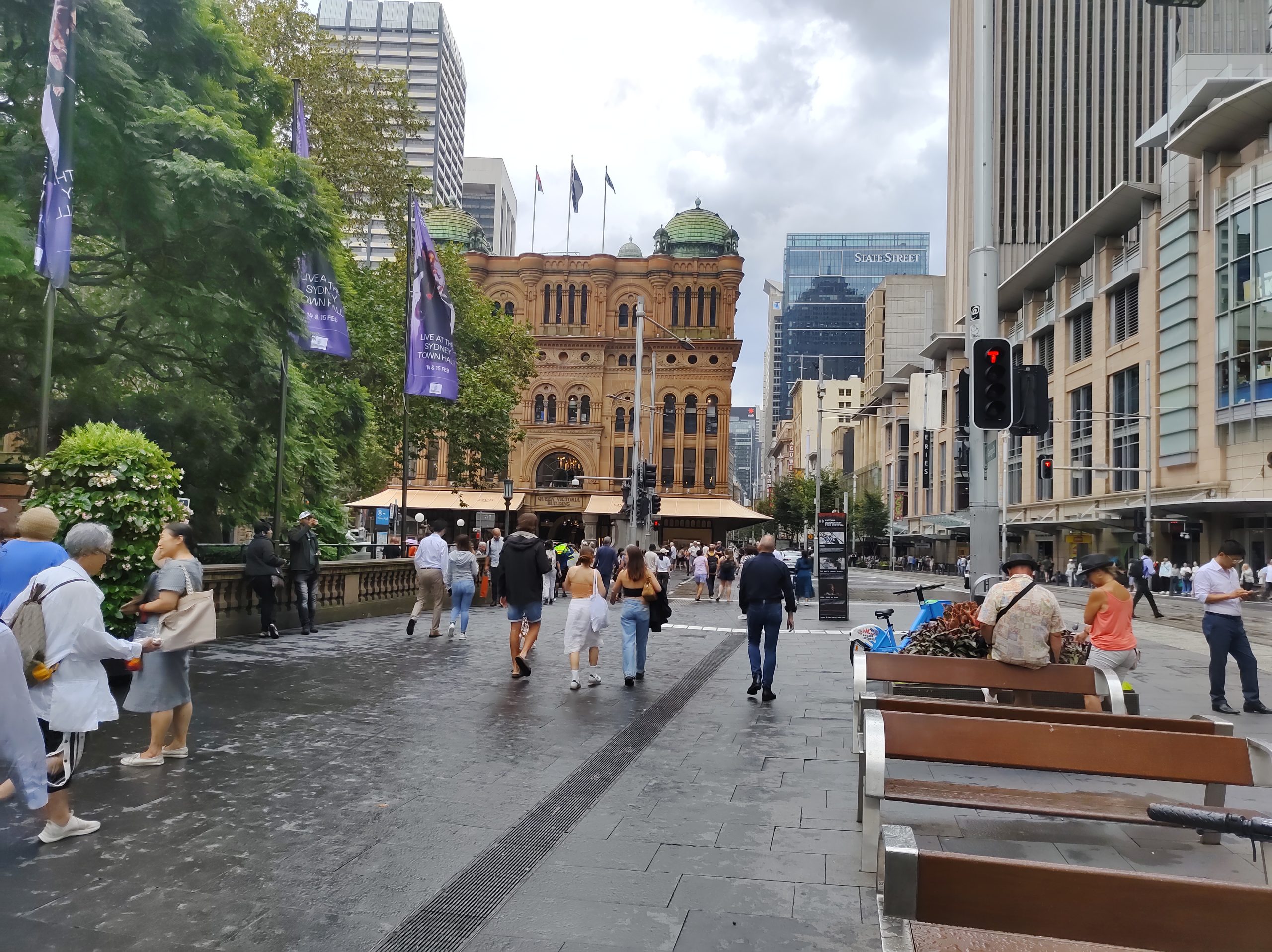
The Queen Victoria Building, known as QVB, was completed in 1898. It was designed by architect George McRae in Romanesque style. The building originally housed a marketplace and has since been restored as a shopping centre. Its stained glass windows and central dome are notable architectural features. The QVB spans an entire city block in Sydney’s central business district. Today, it contains boutiques, cafes, and luxury retailers. The building is a heritage-listed site, preserving Sydney’s architectural history. Its restoration demonstrates the city’s commitment to blending heritage with modern commerce.
Luna Park Sydney – Amusement Tradition
| Feature | Description |
|---|---|
| Location | Milsons Point, beside Sydney Harbour |
| Opened | 1935 |
| Icon | Famous smiling face entrance |
| Attractions | Ferris wheel, roller coasters, carnival games |
| Heritage | Listed as a cultural icon of Sydney |
| Accessibility | Connected by train, ferry, and bus |
| Tourism | Popular with families and visitors |
| Symbolism | Represents Sydney’s playful and festive character |
State Library Of New South Wales – Knowledge Centre
The State Library of New South Wales is a truly stunning building and the oldest library in Australia, established in 1826. It houses millions of books, manuscripts, maps, and photographs. The Mitchell Library wing is renowned for its collection of Australiana. The library offers free access to resources for research and education. Its exhibitions showcase historical documents, including Captain Cook’s journals. The building itself is architecturally significant, with grand reading rooms and heritage features. The library plays a vital role in preserving Australia’s documentary heritage. It remains a cornerstone of Sydney’s intellectual and cultural life.
Barangaroo – Modern Waterfront Precinct
- Redeveloped former industrial site on Sydney Harbour
- Named after a powerful Indigenous woman of the Eora Nation
- Includes office towers, restaurants, and cultural spaces
- Features Barangaroo Reserve, a landscaped park with native plants
- Hosts public events and festivals throughout the year
- Designed with sustainability and innovation in mind
- Connects to Wynyard Walk and ferry services for accessibility
- Symbolizes Sydney’s ongoing urban transformation
Sydney Observatory – Window To The Stars
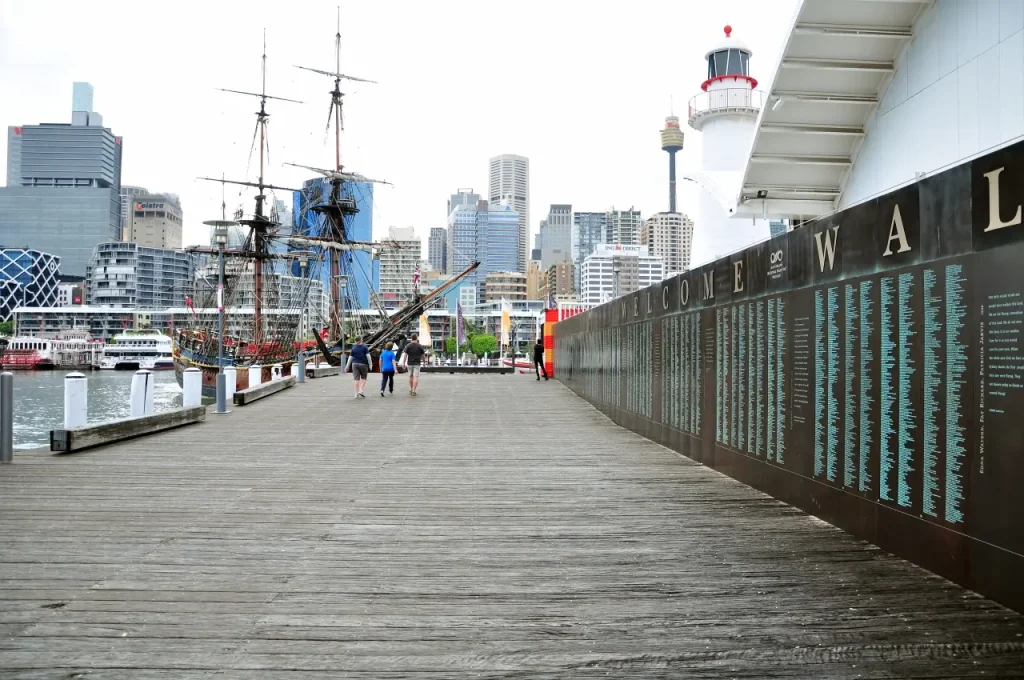
Sydney Observatory was established in 1858 on Observatory Hill. This is a really amazing area overlooking the harbour. It originally served as a timekeeping and navigation facility for ships entering Sydney. The observatory played a key role in charting the southern skies and mapping stars. Today, it functions as a museum and public astronomy centre. Visitors can explore historic telescopes and participate in night sky viewing sessions. The site also houses exhibitions on meteorology, navigation, and Indigenous astronomy. Sydney Observatory remains a symbol of scientific heritage and public education in astronomy.
Royal National Park – Natural Heritage
| Feature | Description |
|---|---|
| Location | South of Sydney, established in 1879 |
| Size | Covers 151 square kilometers |
| Significance | Second oldest national park in the world |
| Ecosystems | Rainforests, coastal cliffs, heathlands |
| Wildlife | Home to wallabies, lyrebirds, and diverse reptiles |
| Activities | Hiking, cycling, kayaking, and picnicking |
| Accessibility | Connected by train and road from Sydney |
| Conservation | Protects biodiversity and cultural heritage |
Sydney Olympic Park – Legacy Of 2000 Games
Sydney Olympic Park was developed for the 2000 Summer Olympics, held in Sydney. The precinct includes stadiums, arenas, and aquatic centres used for international events. ANZ Stadium hosted the opening and closing ceremonies, as well as athletics competitions. The park continues to serve as a venue for concerts, sports, and exhibitions. Wetlands and parklands within the precinct highlight environmental restoration efforts. Sydney Olympic Park attracts millions of visitors annually for recreation and events. It is accessible by train, bus, and ferry, making it a well-connected destination. The park symbolizes Sydney’s global sporting legacy and commitment to sustainable urban planning.
Powerhouse Museum – Innovation And Technology
- Located in Ultimo, near Darling Harbour
- Established in 1988 as part of the Museum of Applied Arts and Sciences
- Exhibits cover science, technology, design, and engineering
- The museum houses historic locomotives, space exploration artefacts, different technology and computing history
- Offers interactive displays for children and families
- Hosts temporary exhibitions on global innovation and design trends
- Plays a role in education and research partnerships
- Represents Sydney’s dedication to science and creativity
Cockatoo Island – Industrial And Cultural Site
Cockatoo Island is situated in Sydney Harbour and is the largest island in the area. It was originally used as a penal establishment in the 19th century. Later, it became a major shipbuilding and dockyard facility. The island is now a UNESCO World Heritage Site for its convict history. Today, it hosts and array of different events from art exhibitions, festivals, and camping facilities. Visitors can explore tunnels, heritage buildings, and waterfront views. Ferry services connect the island to Circular Quay and other parts of Sydney. Cockatoo Island reflects Sydney’s layered history of industry, punishment, and cultural renewal.
Sydney Aquarium – Marine Exploration
| Feature | Description |
|---|---|
| Location | Darling Harbour |
| Species | Over 700 species of marine life |
| Exhibits | Great Barrier Reef tank, Shark Valley, Dugong Island |
| Conservation | Focus on marine education and protection |
| Accessibility | Integrated with public transport and pedestrian access |
| Tourism | Attracts millions of visitors annually |
| Role | Promotes awareness of Australia’s marine ecosystems |
| Symbolism | Represents Sydney’s connection to the ocean |
Macquarie Street – Political And Historical Centre
Macquarie Street is a central avenue in Sydney, named after Governor Lachlan Macquarie. It is home to significant government and heritage buildings. The New South Wales Parliament House is located here, serving as the state’s legislative centre. The street also features the State Library, Sydney Hospital, and Hyde Park Barracks. Many of these buildings date back to the 19th century, showcasing colonial architecture. Macquarie Street remains a hub of political activity and historical preservation. Guided tours highlight the importance of the institutions along the street. Its role as a civic and cultural corridor underscores Sydney’s governance and heritage.
Centennial Parklands – Recreation And Ecology
- Covers 360 hectares in eastern Sydney
- Centennial Park, Moore Park, and Queens Park are all inter-linked
- Established in 1888 for public recreation
- Features lakes, gardens, and equestrian facilities
- Hosts community events, concerts, and outdoor cinema
- Provides habitat for bird species and urban wildlife
- Accessible by public transport and cycling paths
- Represents Sydney’s balance between urban living and ecological preservation
Sydney Festivals – Cultural Calendar
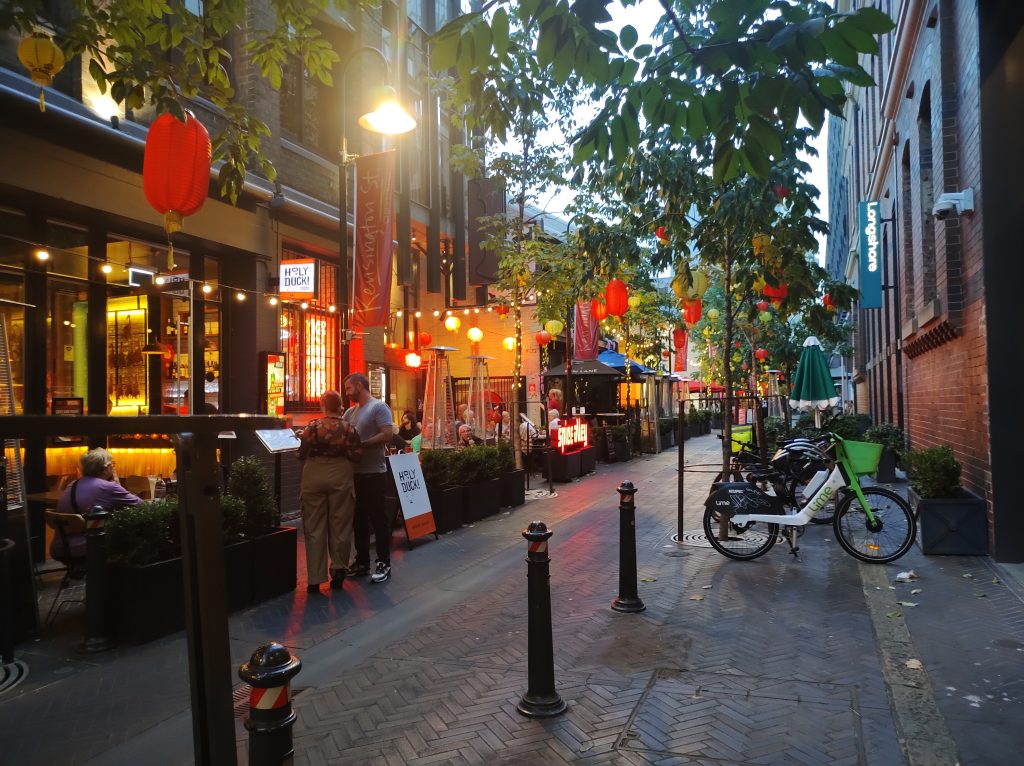
Sydney hosts a wide range of festivals throughout the year, reflecting its diverse cultural identity. Vivid Sydney is one of the most famous, featuring light installations, music, and creative performances across the city. The Sydney Festival in January offers theatre, dance, and visual arts, attracting international artists. Film lovers enjoy the Sydney Film Festival, which showcases global cinema and premieres. Food festivals highlight multicultural cuisines, from Asian street food to Indigenous-inspired dishes. The city also celebrates seasonal events such as New Year’s Eve fireworks and Australia Day ceremonies. These festivals contribute to Sydney’s reputation as a vibrant cultural capital. They provide opportunities for residents and visitors to engage with art, music, and community life in dynamic ways.
Harbour Cruises – Scenic Exploration
- Operate daily across Sydney Harbour
- Offer sightseeing tours with commentary on landmarks
- Provide dining experiences including lunch and dinner cruises
- Feature luxury vessels and traditional ferries
- Popular for whale-watching during migration season
- Accessible from Circular Quay and Darling Harbour
- Attract both international tourists and local residents
- Symbolize Sydney’s maritime lifestyle and scenic appeal
Reinforced Conclusion – Sydney’s Enduring Appeal
Sydney’s identity is built upon a foundation of history, culture, and natural beauty, making it one of the world’s most recognizable cities. Its landmarks such as the Opera House and Harbour Bridge stand alongside preserved heritage sites like The Rocks and Macquarie Street. The city thrives on its multicultural population, reflected in its food, festivals, and inclusive spirit.
Natural attractions including beaches, national parks, and the Blue Mountains highlight Sydney’s connection to the environment. Institutions such as museums, galleries, and libraries showcase its intellectual and artistic achievements. Sporting venues and entertainment precincts emphasize Sydney’s role as a hub of recreation and global events. The balance between heritage preservation and modern development ensures Sydney remains relevant and inspiring. As a global icon, Sydney continues to fascinate visitors and residents alike, offering endless opportunities for exploration and discovery.
Join The Discussion
Sydney’s story is one of resilience, diversity, and creativity, inviting people to share their perspectives. What aspects of Sydney inspire you most, and how do you see its future evolving?
#Sydney #Australia #Culture #Travel #Architecture #Festivals #GlobalCity