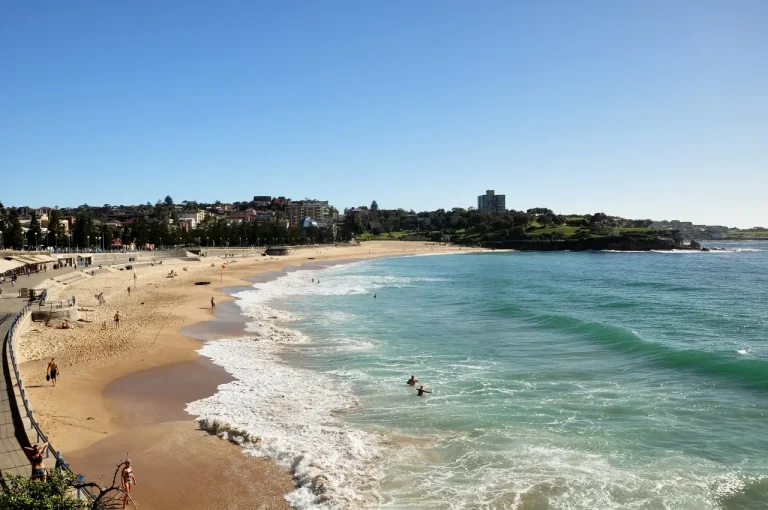
The Amazingly Wild Heart Of Hobart And Tasmania
Wild Heart Of Hobart – Gateway To Tasmania
Hobart is the capital of Tasmania and the southernmost capital city in Australia, located on the banks of the Derwent River and beneath the towering presence of Mount Wellington. Founded in 1804 as a penal settlement, it has grown into a vibrant city that blends historic architecture with modern cultural innovation. The city is known for its maritime heritage, its role as a chief port, and its reputation as a hub of creativity and tourism. Hobart’s Aboriginal name is nipaluna, reflecting its deep Indigenous heritage that predates European settlement.
Today, Hobart is home to over 250,000 residents, making it the largest city in Tasmania. Its economy thrives on tourism, shipping, education, and food industries, while its cultural identity is shaped by festivals, museums, and markets. Visitors are drawn to its waterfront, historic precincts, and natural landscapes that surround the city. Hobart’s unique position as both a modern capital and a historic town makes it a fascinating study in contrasts. The city’s growth has been steady, balancing preservation with innovation.
History And Foundation – From Penal Colony To Capital
Hobart was established in 1804 as a penal colony, chosen for its deep-water harbor and strategic location. The settlement quickly expanded, with convicts building roads, wharves, and public buildings that still stand today. By the mid-19th century, Hobart had become a thriving port, exporting whale oil, timber, and agricultural products. Its historic districts, such as Battery Point and Salamanca Place, retain the Georgian and Victorian architecture of this era.
The city’s growth was shaped by waves of migration, industry, and maritime trade. Hobart became the administrative capital of Tasmania, housing Parliament House and other government institutions. The penal history remains visible in preserved sites like the Cascades Female Factory. Over time, Hobart transitioned from a convict settlement into a cultural and economic center. Its layered history is reflected in the blend of heritage buildings and modern developments. The foundation years gave Hobart its enduring character as a city of resilience and adaptation.
| Year | Event | Impact |
|---|---|---|
| 1804 | Establishment as penal colony | Strategic port and settlement base |
| 1820s | Expansion of whaling industry | Economic growth and maritime trade |
| 1850s | Georgian architecture flourishes | Heritage districts established |
| 1901 | Federation of Australia | Hobart confirmed as Tasmanian capital |
| 2000s | Cultural renaissance | Tourism and arts revitalization |
Geography And Setting – Between River And Mountain
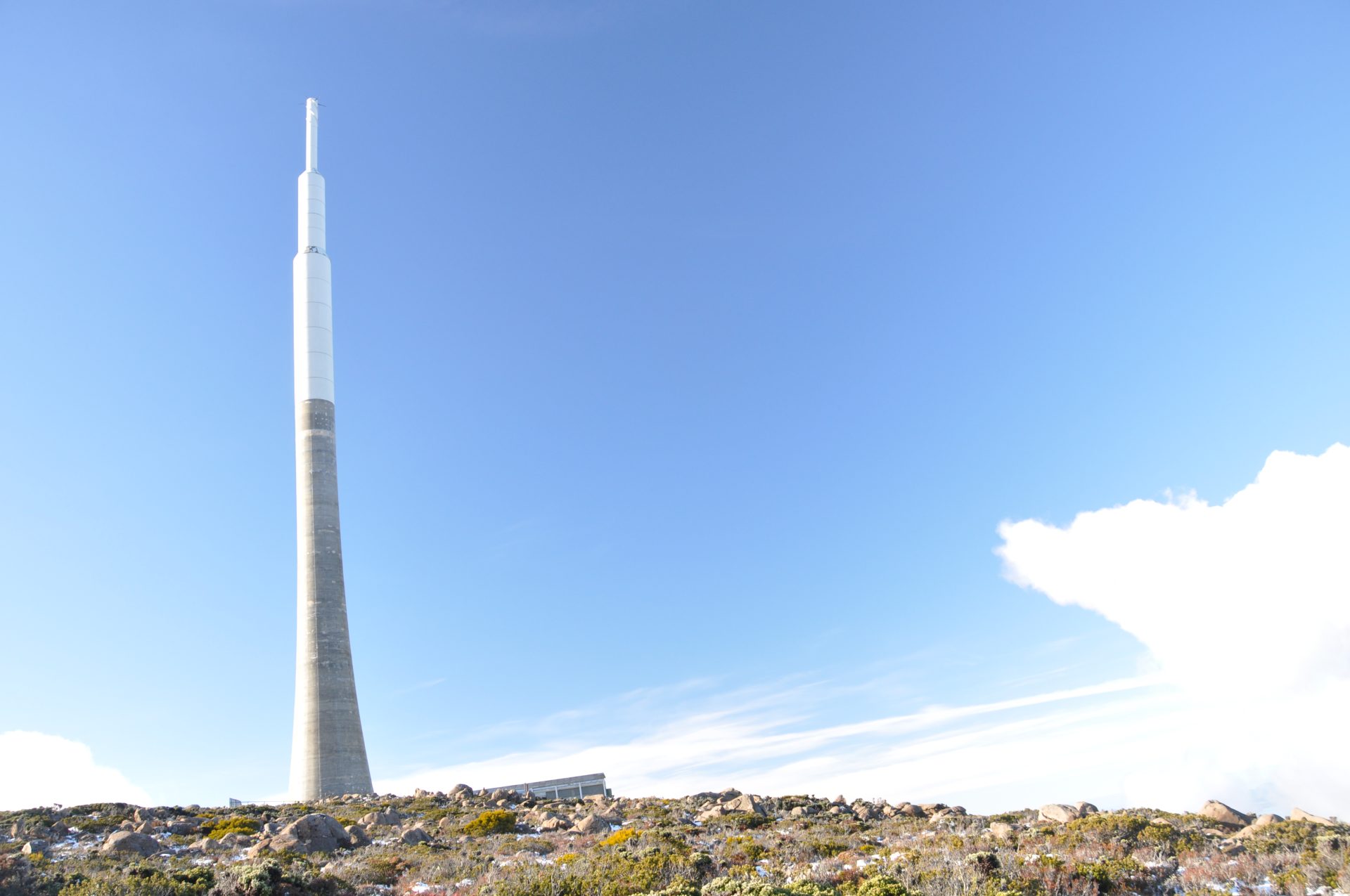
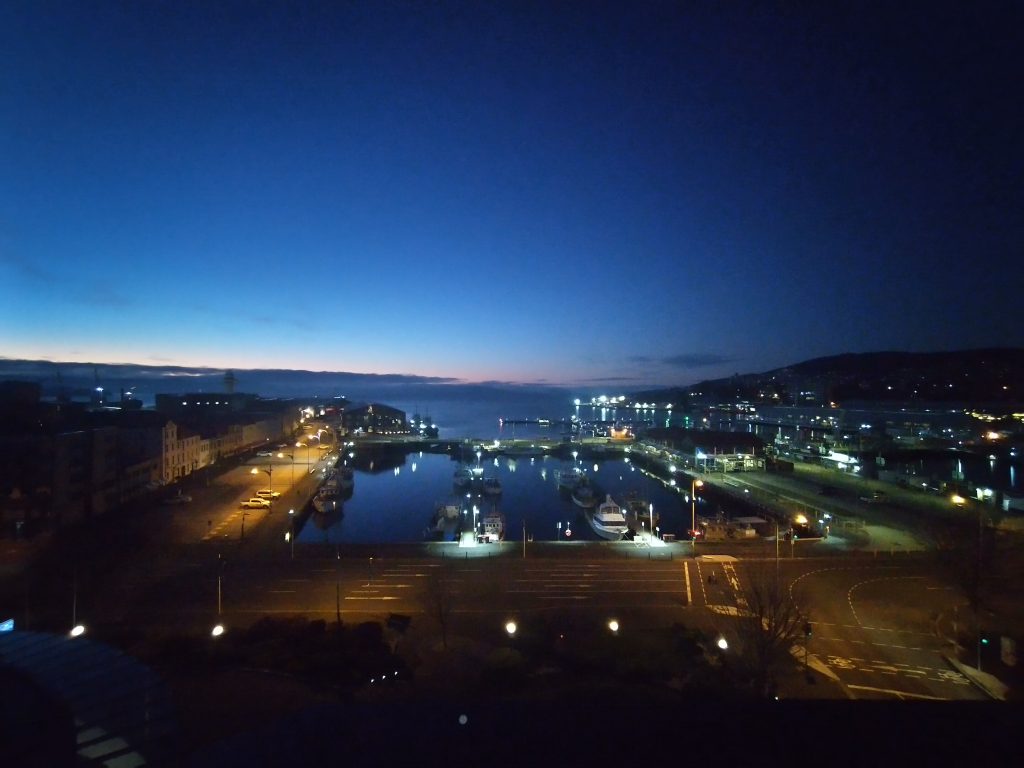
Hobart lies at the foot of Mount Wellington, which rises 1,271 meters above sea level and dominates the skyline. The city stretches along the Derwent River, a deep estuary that has long supported shipping and trade. Its location provides both natural beauty and practical advantages, with sheltered waters and fertile valleys nearby. The climate is temperate, with cool winters and mild summers, influenced by its southern latitude. Hobart’s geography has shaped its identity as a maritime city, with docks, shipyards, and fishing fleets central to its development.
The surrounding landscapes include forests, beaches, and farmland, offering diverse resources. The city’s layout reflects its topography, with steep streets and waterfront precincts. Mount Wellington provides a major Tasmanian look out that has recreation, water catchment, and the backdrop for Hobart residents and visitors. The balance between natural features and urban growth defines Hobart’s character. Geography remains central to its cultural and economic life.
- Located on Derwent River estuary
- Southernmost Australian capital city
- Mount Wellington dominates skyline
- Temperate maritime climate
- Fertile valleys support agriculture
- Waterfront central to trade and tourism
- Steep streets reflect terrain
- Forests and beaches nearby
- Natural resources shape economy
- Geography defines cultural identity
Culture And Identity – A Blend Of Heritage And Innovation
Hobart’s culture is a fusion of Indigenous heritage, colonial history, and contemporary creativity. The Aboriginal name nipaluna reflects the deep roots of the Palawa people, whose traditions remain vital. European settlement introduced architecture, institutions, and maritime industries that shaped the city’s identity. Today, Hobart is renowned for its arts scene, anchored by the Museum of Old and New Art (MONA). Festivals such as Dark Mofo and Taste of Tasmania attract global audiences.
The city’s markets, especially Salamanca Market, showcase local crafts, food, and music. Hobart’s identity is also tied to its culinary culture, with seafood, wine, and artisanal produce celebrated. The blending of old and new is visible in restored heritage buildings housing modern galleries and cafes. Creativity thrives alongside tradition, making Hobart a cultural capital.
| Cultural Element | Description | Significance |
|---|---|---|
| Aboriginal heritage | Palawa traditions | Deep historical roots |
| Colonial architecture | Georgian and Victorian styles | Heritage preservation |
| MONA | Contemporary art museum | Global cultural impact |
| Salamanca Market | Weekly market | Local crafts and food |
| Festivals | Dark Mofo, Taste of Tasmania | Tourism and identity |
Economy And Industry – Port And Tourism Powerhouse
Hobart’s economy is anchored by its role as Tasmania’s chief port, handling shipping, fishing, and Antarctic expeditions. Tourism is a major driver, with visitors drawn to its natural beauty, historic sites, and cultural attractions. Education and research institutions, including the University of Tasmania, contribute to growth. Food and beverage industries thrive, with breweries, wineries, and seafood exports. The Antarctic gateway role supports scientific research and logistics. Hobart’s economy balances traditional industries with modern services. The port remains vital, supporting trade and employment. Tourism generates significant revenue, with festivals and attractions boosting the local economy. Innovation in arts and hospitality adds resilience. Hobart’s industries reflect its geography and heritage. The economy continues to diversify while retaining maritime foundations.
- Chief port of Tasmania
- Tourism generates major revenue
- University of Tasmania supports education
- Antarctic gateway role
- Breweries and wineries thrive
- Seafood exports significant
- Festivals boost economy
- Maritime heritage industries
- Diversification strengthens resilience
- Balance of tradition and innovation
Tourism And Attractions – Gateway To Experience
Hobart offers a wide range of attractions, from natural landscapes to cultural landmarks. Visitors explore Salamanca Place, Battery Point, and the waterfront precincts. MONA provides a world-class art experience, while Mount Wellington offers panoramic views. The Derwent River supports cruises, kayaking, and fishing. Festivals bring vibrancy, with Dark Mofo transforming the city each winter. The Royal Tasmanian Botanical Gardens showcase native and exotic plants. Historic sites such as Cascade Brewery and Parliament House highlight heritage. Hobart’s tourism appeal lies in its diversity, combining history, art, and nature. Accessibility and compact size make it easy to explore. Tourism remains central to Hobart’s identity as a welcoming capital.
| Attraction | Description | Appeal |
|---|---|---|
| Salamanca Place | Historic precinct | Markets and heritage |
| MONA | Contemporary art | Global recognition |
| Mount Wellington | Natural landmark | Scenic views |
| Derwent River | Maritime hub | Cruises and recreation |
| Botanical Gardens | Historic gardens | Native and exotic plants |
Architecture And Heritage – Preserving The Past
Hobart’s built environment is a living museum of colonial and Victorian architecture. Battery Point retains its sandstone cottages, narrow lanes, and maritime character. Salamanca Place showcases Georgian warehouses converted into galleries, restaurants, and shops. Parliament House, completed in 1857, remains a symbol of civic authority. The city’s churches, including St David’s Cathedral, highlight Gothic Revival design. Heritage preservation has been central to Hobart’s identity, with strict planning laws protecting historic precincts. Adaptive reuse has allowed old buildings to serve modern purposes, blending tradition with innovation. The waterfront warehouses now house cultural institutions and hospitality venues. Hobart’s architecture reflects resilience, adaptation, and continuity. The city’s heritage is both a tourist attraction and a source of civic pride.
| Landmark | Era | Style | Current Use |
|---|---|---|---|
| Battery Point | 19th century | Colonial cottages | Residential and tourism |
| Salamanca Place | 1830s | Georgian warehouses | Markets and galleries |
| Parliament House | 1857 | Neoclassical | Government |
| St David’s Cathedral | 1874 | Gothic Revival | Religious services |
| Cascade Brewery | 1824 | Industrial Georgian | Brewery and tours |
Festivals And Events – Celebrating Community
Hobart is renowned for its vibrant festivals that celebrate art, food, and community spirit. Dark Mofo, held in winter, transforms the city with installations, performances, and rituals. The Taste of Tasmania highlights local produce and culinary creativity. The Sydney to Hobart Yacht Race finishes at Constitution Dock each December, drawing global attention. The Wooden Boat Festival celebrates maritime heritage with vessels from around the world. Seasonal events bring residents and visitors together in shared experiences. Festivals contribute significantly to Hobart’s tourism economy. They also reinforce cultural identity and creativity. The diversity of events reflects Hobart’s openness to innovation. Community participation ensures their enduring success.
- Dark Mofo transforms winter nights
- Taste of Tasmania celebrates food culture
- Sydney to Hobart Yacht Race ends in city harbor
- Wooden Boat Festival honors maritime heritage
- Seasonal events unite residents and visitors
- Festivals boost tourism economy
- Creativity showcased through performances and art
- Culinary traditions highlighted in markets
- Maritime identity reinforced through regattas
- Community spirit central to celebrations
Education And Research – Knowledge At The Core
Hobart is home to the University of Tasmania, a leading institution in research and education. The university’s campuses contribute to the city’s intellectual and cultural life. Antarctic research is a major focus, with Hobart serving as a gateway for expeditions. The Australian Antarctic Division is headquartered in the city. Marine and environmental sciences thrive due to proximity to unique ecosystems. Education supports economic growth and innovation. Research institutions collaborate with global partners. Hobart’s role in Antarctic logistics enhances its scientific reputation. Students from across Australia and abroad enrich the city’s diversity. Knowledge remains central to Hobart’s development.
| Institution | Focus | Contribution |
|---|---|---|
| University of Tasmania | Higher education | Research and teaching |
| Australian Antarctic Division | Polar science | Logistics and exploration |
| CSIRO Marine Laboratories | Oceanography | Environmental research |
| Tasmanian Museum and Art Gallery | Cultural education | Heritage preservation |
| Local schools | Primary and secondary | Community development |
Food And Cuisine – A Taste Of Tasmania
Hobart’s culinary scene reflects Tasmania’s rich produce and maritime heritage. Seafood is central, with oysters, abalone, and crayfish highly prized. Local breweries and distilleries contribute to Hobart’s reputation for craft beverages. The city’s restaurants emphasize farm-to-table dining. Markets showcase artisanal cheeses, honey, and wines. The Taste of Tasmania festival highlights this culinary diversity. Hobart’s cuisine blends tradition with innovation, offering global flavors alongside local specialties. The Derwent Valley supports viticulture, producing renowned cool-climate wines. Culinary tourism has become a major attraction. Food culture reinforces Hobart’s identity as a creative capital.
- Seafood central to cuisine
- Oysters and abalone prized exports
- Breweries and distilleries thrive
- Farm-to-table dining emphasized
- Markets showcase artisanal produce
- Taste of Tasmania festival highlights diversity
- Cool-climate wines from Derwent Valley
- Culinary tourism attracts visitors
- Blend of tradition and innovation
- Food culture strengthens identity
Maritime Heritage – Anchored In The Sea
Hobart’s maritime heritage is inseparable from its identity. The city’s deep-water port has long supported trade, fishing, and exploration. Whaling was once a major industry, shaping early economic growth. Shipbuilding and repair remain important industries. The Wooden Boat Festival celebrates this heritage with international participation. Constitution Dock is central to maritime life, hosting yachts and fishing vessels. Antarctic expeditions depart from Hobart, reinforcing its global role. Maritime museums preserve artifacts and stories of seafaring. The waterfront remains a hub of activity and culture. Hobart’s heart beats with the rhythm of the sea.
| Maritime Element | Description | Significance |
|---|---|---|
| Constitution Dock | Central harbor | Yacht race finish |
| Whaling industry | 19th century | Economic foundation |
| Wooden Boat Festival | Biennial event | Maritime heritage |
| Antarctic gateway | Expedition base | Global logistics |
| Shipbuilding | Ongoing industry | Employment and trade |
Natural Environment – Landscapes Of Identity
Hobart is surrounded by natural beauty that defines its character. Mount Wellington provides recreation and scenic views. The Derwent River supports biodiversity and maritime activity. Nearby reserves protect native flora and fauna. The Royal Tasmanian Botanical Gardens highlight both native and exotic species. Beaches and forests offer leisure opportunities. The environment shapes Hobart’s lifestyle and tourism appeal. Conservation efforts preserve ecosystems for future generations. Outdoor activities are central to community life. The balance between urban growth and natural preservation is carefully managed. Hobart’s environment is integral to its heart.
- Mount Wellington recreation and views
- Derwent River biodiversity and trade
- Reserves protect native species
- Botanical Gardens highlight diversity
- Beaches offer leisure opportunities
- Forests provide resources and recreation
- Environment shapes lifestyle and tourism
- Conservation efforts preserve ecosystems
- Outdoor activities central to community
- Balance of growth and preservation
Transportation And Connectivity – Linking City And Beyond
Hobart’s transport system reflects its geography and compact size. The city is served by Hobart International Airport, connecting Tasmania to mainland Australia and beyond. The Derwent River provides ferry services and recreational boating. Public buses form the backbone of urban transport, linking suburbs to the central business district. Road networks connect Hobart to regional centers such as Launceston and Devonport. Cycling and walking are increasingly promoted as sustainable options. The waterfront remains a hub for shipping and Antarctic logistics. Connectivity supports tourism, trade, and daily life. Infrastructure projects aim to balance heritage preservation with modern needs. Hobart’s transport reflects both its isolation and its global links.
| Mode | Description | Role |
|---|---|---|
| Airport | Hobart International | Connects Tasmania to mainland |
| Ferries | Derwent River services | Recreation and commuting |
| Buses | Metro Tasmania | Public transport backbone |
| Roads | Highways and bridges | Regional connectivity |
| Shipping | Port facilities | Trade and Antarctic logistics |
Sports And Recreation – Community And Competition
Sport is central to Hobart’s community life, with facilities and clubs supporting diverse activities. Cricket has a strong presence, with Blundstone Arena hosting national and international matches. Australian rules football is popular, with local leagues fostering participation. Rowing and sailing thrive on the Derwent River. Hiking and cycling are common recreational pursuits, supported by natural landscapes. The city hosts marathons and fun runs that engage residents. Sporting culture reinforces community identity and health. Facilities support both elite competition and grassroots participation. Recreation is closely tied to Hobart’s environment. Sport remains a vital part of the city’s heart.
- Cricket at Blundstone Arena
- Australian rules football leagues
- Rowing and sailing on Derwent River
- Hiking on Mount Wellington trails
- Cycling promoted as recreation
- Marathons and fun runs hosted
- Community identity reinforced through sport
- Facilities support elite and grassroots levels
- Recreation tied to natural landscapes
- Sport central to Hobart’s heart
Governance And Civic Life – Capital Responsibilities
As Tasmania’s capital, Hobart houses key government institutions. Parliament House is the seat of the Tasmanian Parliament. The city hosts administrative offices and judicial institutions. Local government is managed by the Hobart City Council. Civic life includes public participation in planning and heritage preservation. Policies balance growth with environmental sustainability. Hobart’s role as capital reinforces its political significance. Civic institutions shape daily life and long-term development. Public spaces support democratic engagement and community events. Governance ensures Hobart remains both functional and culturally vibrant.
| Institution | Role | Significance |
|---|---|---|
| Parliament House | Legislative seat | Political authority |
| Supreme Court | Judicial body | Legal framework |
| Hobart City Council | Local governance | Urban planning |
| Civic Square | Public space | Community engagement |
| Government offices | Administration | Capital functions |
International Role – Antarctic Gateway
Hobart is globally recognized as a gateway to Antarctica. The city hosts the Australian Antarctic Division, coordinating scientific research and logistics. International expeditions depart from Hobart’s port, reinforcing its strategic role. Research vessels and icebreakers dock at Constitution Dock and nearby facilities. Collaboration with other nations enhances Hobart’s global profile. Antarctic science contributes to climate research and environmental understanding. Hobart’s location makes it ideal for polar logistics. The city benefits economically from Antarctic operations. Its role strengthens scientific and diplomatic ties. Hobart’s international identity is anchored in its Antarctic gateway status.
- Antarctic Division headquartered in Hobart
- Expeditions depart from city port
- Research vessels dock at Constitution Dock
- Collaboration with international partners
- Climate research supported by Antarctic science
- Strategic location ideal for logistics
- Economic benefits from operations
- Global profile enhanced by gateway role
- Diplomatic ties strengthened through science
- International identity anchored in Antarctica
Future Outlook – Innovation And Preservation
Hobart’s future lies in balancing heritage preservation with innovation. Urban planning emphasizes sustainable growth and environmental protection. Cultural institutions continue to expand, attracting global audiences. Tourism remains central, with new experiences enhancing appeal. Education and research drive innovation in science and technology. Infrastructure projects aim to improve connectivity while respecting heritage. Climate change challenges require adaptation and resilience. Hobart’s identity will evolve while retaining its historic foundations. The city’s heart will remain vibrant through creativity and community. Future outlook combines tradition with forward-looking vision.
| Focus Area | Description | Goal |
|---|---|---|
| Urban planning | Sustainable growth | Balance heritage and modernity |
| Cultural expansion | Festivals and museums | Global recognition |
| Tourism | New experiences | Economic resilience |
| Education | Research and innovation | Scientific leadership |
| Climate adaptation | Environmental strategies | Resilience and sustainability |
Arts And Creativity – Expression At The Core
Hobart has become a beacon for artistic innovation, blending traditional crafts with contemporary experimentation. The Museum of Old and New Art (MONA) has transformed the city’s global reputation, attracting visitors from across the world. Local galleries and studios showcase Tasmanian artists working in diverse mediums. Public art installations enliven streets and waterfront spaces. Music thrives in venues ranging from intimate pubs to grand concert halls. Theatre companies contribute to Hobart’s cultural vibrancy. Creativity is supported by festivals, grants, and community initiatives. The city’s artistic life reflects both local identity and international influence. Hobart’s creative energy is central to its heart.
| Creative Element | Description | Impact |
|---|---|---|
| MONA | Contemporary art museum | Global recognition |
| Local galleries | Showcase Tasmanian artists | Community engagement |
| Public art | Installations in city spaces | Cultural vibrancy |
| Music venues | Pubs and concert halls | Entertainment and identity |
| Theatre companies | Local productions | Artistic diversity |
Demographics And Diversity – People Of Hobart
Hobart’s population reflects both historical settlement and modern migration. The city is home to over 250,000 residents, making it Tasmania’s largest urban center. Indigenous heritage remains vital, with the Palawa people’s traditions acknowledged and celebrated. Migration from Europe shaped early demographics, while recent arrivals from Asia and other regions add diversity. Students and researchers contribute to cultural exchange. The city’s compact size fosters community cohesion. Demographic diversity enriches Hobart’s cultural life. Population growth has been steady, balancing heritage with modern needs. Hobart’s people are central to its heart.
- Population over 250,000 residents
- Largest city in Tasmania
- Indigenous Palawa heritage acknowledged
- European migration shaped early demographics
- Recent arrivals add diversity
- Students enrich cultural exchange
- Compact size fosters cohesion
- Demographic diversity enriches culture
- Steady population growth
- People central to Hobart’s heart
Environment And Sustainability – Protecting The Future
Hobart places strong emphasis on environmental sustainability. Conservation programs protect native species and ecosystems. Renewable energy initiatives support Tasmania’s reputation for clean power. Waste reduction and recycling are promoted through community programs. Urban planning integrates green spaces and sustainable transport. Climate change adaptation strategies are being developed. The city’s natural environment is central to its tourism appeal. Sustainability ensures long-term resilience. Hobart’s identity is tied to its landscapes and ecosystems. Protecting the environment is essential to preserving the city’s heart.
| Sustainability Focus | Description | Goal |
|---|---|---|
| Conservation | Protect native species | Biodiversity preservation |
| Renewable energy | Hydroelectric and wind | Clean power leadership |
| Waste reduction | Recycling programs | Community participation |
| Urban planning | Green spaces | Sustainable growth |
| Climate adaptation | Strategies for resilience | Future protection |
Innovation And Technology – Modern Horizons
Hobart is embracing innovation and technology to shape its future. Research institutions drive scientific discovery in marine and Antarctic studies. Startups and creative industries contribute to economic diversification. Digital infrastructure supports education and business. Technology enhances tourism experiences through apps and interactive guides. Renewable energy projects showcase innovation in sustainability. Collaboration with global partners strengthens Hobart’s role in science and technology. Innovation is balanced with heritage preservation. The city’s modern horizons reflect creativity and resilience. Technology ensures Hobart remains connected and competitive.
- Research institutions drive discovery
- Marine and Antarctic studies central
- Startups diversify economy
- Digital infrastructure supports growth
- Tourism enhanced by interactive guides
- Renewable energy projects innovative
- Global collaboration strengthens role
- Innovation balanced with heritage
- Modern horizons reflect resilience
- Technology ensures competitiveness
Legacy And Identity – The Enduring Heart
Hobart’s legacy is defined by its history, culture, and geography. From penal colony origins to modern cultural capital, the city has continually adapted. Its maritime heritage, festivals, and institutions embody resilience. The people of Hobart shape its identity through creativity and community. Natural landscapes provide beauty and resources. Governance ensures continuity and progress. Hobart’s heart lies in its ability to balance tradition with innovation. The city’s identity endures through change. Its legacy is celebrated in heritage buildings, cultural events, and community life. Hobart remains a living heart, beating with history and modern vitality.
| Legacy Element | Description | Significance |
|---|---|---|
| Penal colony origins | Foundation history | Resilience and adaptation |
| Maritime heritage | Port and trade | Economic and cultural identity |
| Festivals | Community celebrations | Creativity and tourism |
| People | Residents and diversity | Identity and cohesion |
| Landscapes | Natural environment | Beauty and resources |
Waterfront And Docks – Lifeblood Of The City
Hobart’s waterfront has always been the lifeblood of the city, shaping its economy and culture. Constitution Dock is famous as the finishing point of the Sydney to Hobart Yacht Race. Salamanca Place, once a row of warehouses, now thrives as a cultural and commercial hub. The docks host fishing fleets, cruise ships, and Antarctic vessels. The waterfront is also a gathering place for festivals and community events. Restaurants and cafes line the harbor, offering views of the Derwent River. Maritime heritage is preserved in museums and historic buildings. The waterfront reflects Hobart’s identity as a port city. It remains both functional and symbolic. Hobart’s heart beats strongest along its docks.
| Waterfront Feature | Description | Role |
|---|---|---|
| Constitution Dock | Yacht race finish | Maritime identity |
| Salamanca Place | Historic warehouses | Cultural hub |
| Fishing fleets | Local industry | Economic foundation |
| Cruise ships | Tourism | Visitor gateway |
| Antarctic vessels | Expedition base | Global logistics |
Community And Lifestyle – Living In Hobart
Life in Hobart is shaped by its compact size, natural surroundings, and cultural vibrancy. Residents enjoy easy access due to the size to beaches, forests, and mountains but sometimes it is cold. The city’s pace is slower than mainland capitals, fostering a relaxed lifestyle. Community spirit is strong, with markets, festivals, and local clubs central to social life. Education and healthcare services support quality of living. Housing reflects both heritage cottages and modern developments. Hobart’s lifestyle balances tradition with modern convenience. Outdoor activities are integral to daily routines. The city’s scale fosters close-knit communities. Living in Hobart means being part of a dynamic yet grounded environment.
- Compact city size fosters community
- Natural surroundings enrich lifestyle
- Slower pace than mainland capitals
- Markets central to social life
- Festivals unite residents
- Education supports quality living
- Healthcare services accessible
- Housing blends heritage and modernity
- Outdoor activities integral to routines
- Close-knit communities define identity
Science And Exploration – Knowledge Beyond Borders
Hobart plays a vital role in global science and exploration. Its Antarctic gateway status supports international research. The Australian Antarctic Division coordinates expeditions and scientific programs. Marine science thrives due to Tasmania’s unique ecosystems. Climate research is advanced through polar studies. Collaboration with universities and global institutions strengthens Hobart’s scientific profile. Research vessels dock at the city’s port, reinforcing its logistical importance. Science contributes to Hobart’s economy and identity. Exploration reflects the city’s outward-looking character. Hobart’s role in knowledge extends far beyond its borders.
| Scientific Focus | Description | Contribution |
|---|---|---|
| Antarctic research | Polar studies | Climate understanding |
| Marine science | Ocean ecosystems | Environmental knowledge |
| University of Tasmania | Higher education | Research leadership |
| Research vessels | Dock at port | Logistics and exploration |
| Global collaboration | International partners | Scientific profile |
Landmarks And Icons – Symbols Of Identity
Hobart’s landmarks embody its history and culture. Mount Wellington towers above the city, offering panoramic views. Salamanca Market symbolizes community and creativity. Parliament House represents civic authority. The Royal Tasmanian Botanical Gardens highlight natural heritage. Cascade Brewery reflects industrial history and tradition. Landmarks serve as symbols of Hobart’s identity. They attract visitors and inspire residents. Each landmark tells a story of resilience and adaptation. Hobart’s icons are integral to its heart. They connect past, present, and future.
- Mount Wellington towers above city
- Salamanca Market symbolizes creativity
- Parliament House represents authority
- Botanical Gardens highlight heritage
- Cascade Brewery reflects tradition
- Landmarks attract visitors
- Icons inspire residents
- Each tells story of resilience
- Connect past and present
- Integral to Hobart’s heart
Final Reflection – Enduring Spirit Of Hobart
Hobart’s enduring spirit lies in its ability to balance heritage with innovation. From its foundation as a penal colony to its modern role as a cultural capital, the city has continually evolved. Its maritime heritage, natural landscapes, and creative energy define its heart. Festivals, markets, and institutions embody resilience and community. The people of Hobart shape its identity through diversity and cohesion. Governance ensures continuity while embracing progress. Science and exploration extend Hobart’s influence globally. Landmarks and icons symbolize its character. The city’s heart beats with history, culture, and modern vitality. Hobart remains a living testament to resilience and creativity.
| Element | Description | Legacy |
|---|---|---|
| Heritage | Penal colony origins | Resilience |
| Maritime | Port and docks | Identity |
| Culture | Festivals and arts | Creativity |
| People | Diversity and cohesion | Community |
| Landscapes | Natural environment | Beauty |
Join The Discussion – Share Your Perspective
The story of Hobart is one of resilience, creativity, and balance between heritage and innovation. What do you believe most defines the heart of Hobart today — its maritime heritage, its cultural festivals, or its natural landscapes?
#TheHeartOfHobart #TasmaniaCulture #HistoricCity #TravelTasmania #HobartLife #AustralianCapital #TasmaniaHeritage #ExploreHobart #CulturalTasmania #HobartCommunity