Urban Design Inspire Artists And Creative Sydney
Urban Design Inspire Artists – The Connection Between Architecture And Creativity
Sydney’s built environment has long been recognized as a source of inspiration for artists who seek to capture the interplay between structure, culture, and imagination. The city’s architectural diversity, ranging from Gothic Revival landmarks to futuristic skyscrapers, provides a canvas that stimulates creative expression. Artists often find themselves drawn to the contrasts between heritage sandstone buildings and shimmering glass towers, reflecting the tension between tradition and modernity. The urban design strategies implemented by the City of Sydney emphasize sustainability, accessibility, and integration of public art, which further enriches the cultural landscape.
These elements combine to create a dynamic environment where creativity flourishes. Painters, sculptors, muralists, and digital artists alike interpret the city’s skyline and streetscapes in ways that resonate with audiences worldwide. The layering of historical and contemporary design encourages exploration of themes such as identity, progress, and memory. Public spaces, from Circular Quay to Green Square, are deliberately designed to invite artistic engagement. This introduction sets the stage for a deeper exploration of how Sydney’s architecture and urban planning inspire artistic innovation.
Iconic Landmarks And Their Artistic Influence
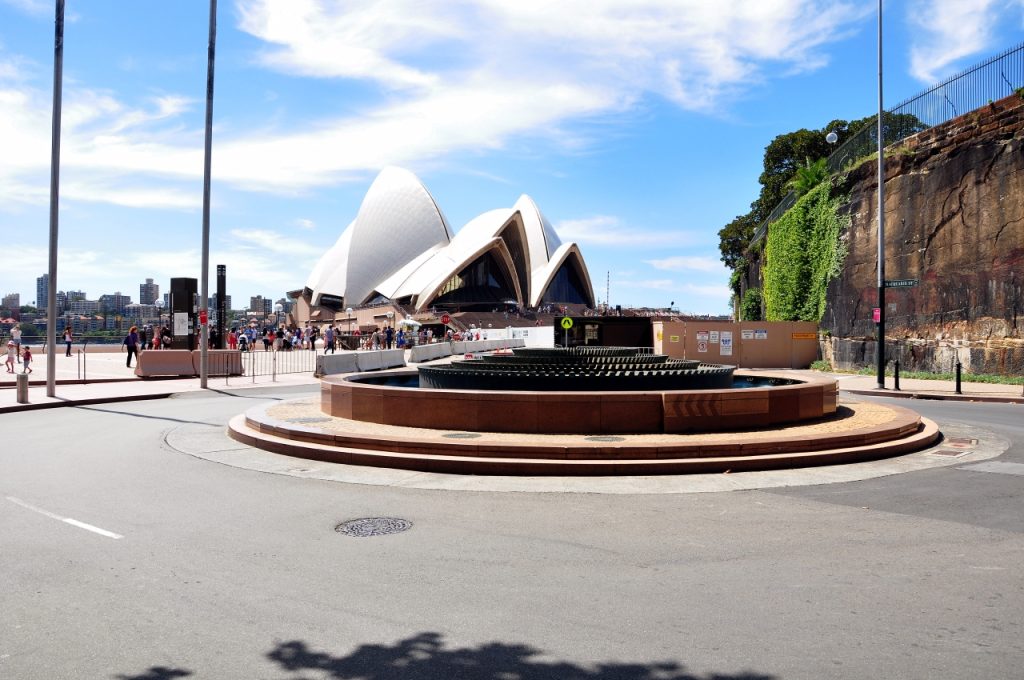
Sydney’s most recognizable buildings, such as the Sydney Opera House and Harbour Bridge, have become global symbols of architectural artistry. Their forms are frequently reinterpreted in paintings, sculptures, and installations, emphasizing the power of design to transcend function. The Opera House, with its sail-like shells, embodies a sculptural quality that artists often replicate in abstract works. The Harbour Bridge, meanwhile, symbolizes strength and connectivity, inspiring depictions that highlight industrial beauty. Beyond these icons, structures like the Queen Victoria Building and State Theatre showcase ornate detailing that appeals to artists interested in historical craftsmanship.
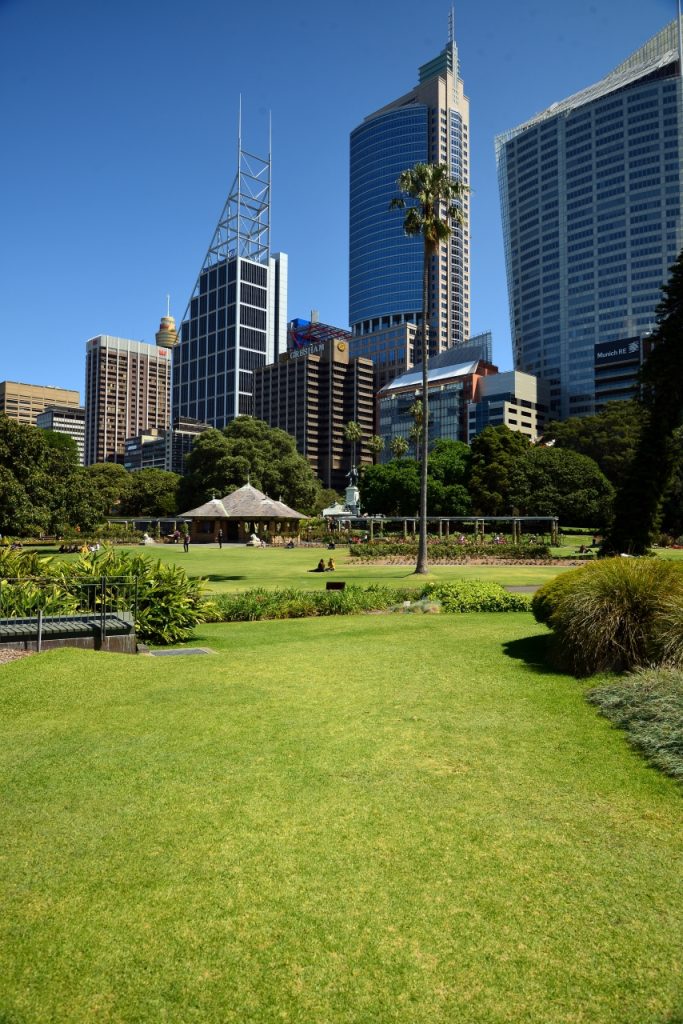
Contemporary additions such as One Central Park and Crown Sydney demonstrate how modern design integrates greenery and luxury aesthetics. These buildings collectively form a palette of inspiration that spans centuries. Artists often juxtapose these landmarks in their work to explore contrasts between eras. The diversity of styles ensures that Sydney remains a fertile ground for artistic exploration. The following table highlights key buildings and their artistic associations.
| Building | Architectural Style | Artistic Influence |
|---|---|---|
| Sydney Opera House | Expressionist Modern | Abstract forms, sculptural reinterpretations |
| Harbour Bridge | Industrial Steel Arch | Symbol of strength, connectivity in art |
| Queen Victoria Building | Romanesque Revival | Ornate detail inspiring heritage-focused works |
| One Central Park | Sustainable High-Rise | Greenery integration inspiring eco-art |
| Crown Sydney | Contemporary Luxury | Modern opulence reflected in visual art |
Public Spaces As Creative Platforms
Sydney’s urban design emphasizes the creation of public spaces that serve as both functional areas and artistic stages. Locations such as Darling Harbour, Barangaroo, and Martin Place are deliberately structured to host installations, performances, and murals. The integration of art into these spaces of Sydney transforms them into ever changing living galleries accessible to all. Artists are inspired by the openness and inclusivity of these environments, which encourage experimentation and collaboration.
The City of Sydney’s planning initiatives often include public art commissions, ensuring that creativity is embedded in urban development. These spaces also reflect cultural diversity, with artworks celebrating Indigenous heritage and multicultural narratives. The accessibility of public art fosters dialogue between artists and audiences, reinforcing the role of architecture as a catalyst for creativity. The blending of design and art in public areas demonstrates how urban planning can nurture cultural identity. Artists often remark that these spaces provide opportunities to test new ideas in real-world contexts. Below are key points summarizing how public spaces inspire artistic practice.
- Public spaces are intentionally designed to host art and cultural events.
- Accessibility ensures that art reaches diverse audiences.
- Integration of Indigenous and multicultural themes enriches artistic narratives.
- Commissioned works embed creativity into urban development.
- Open environments encourage collaboration among artists.
- Spaces act as living galleries for experimentation.
- Architecture and art combine to reinforce cultural identity.
- Public areas provide opportunities for large-scale installations.
- Artists gain real-world feedback from audiences.
- Urban design nurtures creativity through inclusivity.
Heritage Buildings And Artistic Memory
Sydney’s heritage architecture provides artists with a tangible link to the past, inspiring works that explore memory and continuity. Structures such as Government House, Elizabeth Bay House, and the Strand Arcade embody craftsmanship that reflects earlier eras. Artists often depict these buildings to highlight the endurance of cultural identity across generations. The sandstone facades and intricate detailing evoke nostalgia, encouraging creative interpretations that blend history with modern perspectives.
Heritage conservation policies ensure that these buildings remain integral to the city’s landscape, preserving inspiration for future artists. The juxtaposition of heritage sites with modern skyscrapers creates visual tension that artists frequently explore. Painters and photographers capture these contrasts to emphasize the dialogue between tradition and progress. Sculptors and installation artists often use heritage motifs to anchor contemporary works. The endurance of these buildings symbolizes resilience, a theme that resonates strongly in artistic practice. The following table outlines heritage buildings and their artistic significance.
| Heritage Building | Era | Artistic Inspiration |
|---|---|---|
| Government House | 19th Century | Symbol of authority and continuity |
| Elizabeth Bay House | Colonial | Exploration of domestic history |
| Strand Arcade | Victorian | Craftsmanship inspiring detailed artworks |
| State Theatre | Art Deco | Ornate design influencing theatrical art |
| Grace Building | Interwar | Heritage motifs in modern reinterpretations |
Sustainable Design And Eco-Art
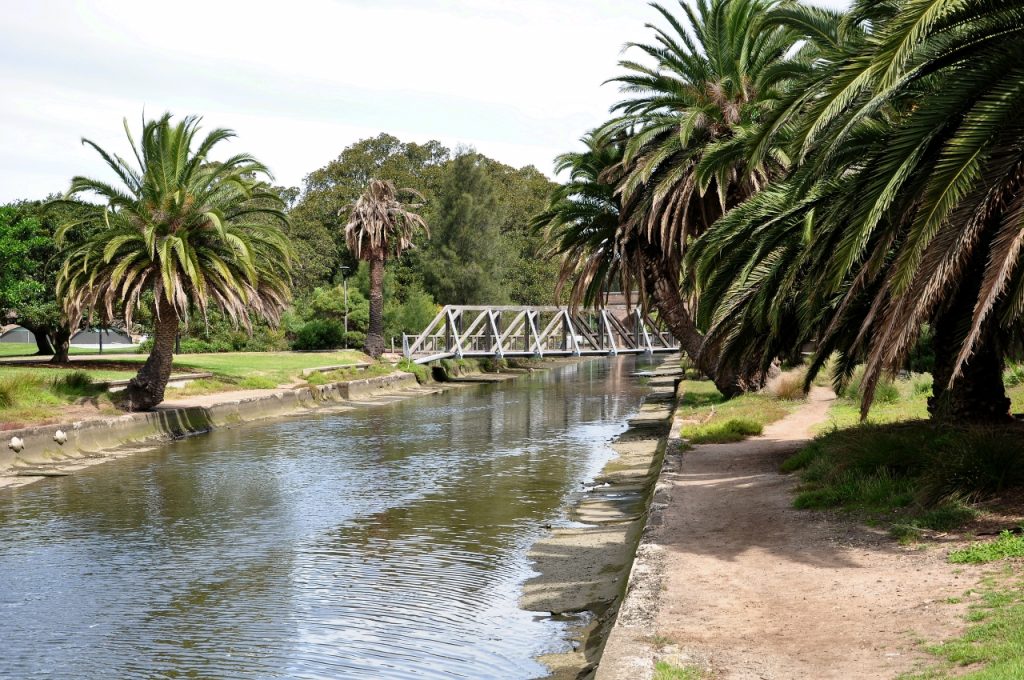
Sydney’s commitment to sustainability in urban design has inspired a wave of eco-art that reflects environmental consciousness. Buildings such as One Central Park incorporate vertical gardens, symbolizing harmony between nature and architecture. Artists respond to these innovations by creating works that emphasize ecological themes. The integration of greenery into high-rise structures demonstrates how design can mitigate environmental impact.
Public art projects often highlight sustainability, reinforcing the city’s vision for a greener future. The Sustainable Sydney 2030–2050 plan embeds creativity into ecological goals, encouraging artists to engage with themes of climate and conservation. Sculptors and muralists frequently use recycled materials to echo sustainable design principles. The blending of environmental awareness with architectural innovation provides fertile ground for artistic exploration. Artists interpret these designs as metaphors for balance and renewal. Below are points summarizing how sustainable design inspires eco-art.
- Vertical gardens symbolize harmony between nature and architecture.
- Eco-art reflects environmental consciousness in creative practice.
- Sustainable Sydney plan embeds art into ecological goals.
- Artists use recycled materials to echo design principles.
- Public art projects highlight sustainability themes.
- Green high-rises mitigate environmental impact.
- Sculptors and muralists explore balance and renewal.
- Architecture becomes a metaphor for ecological awareness.
- Artists engage with climate and conservation themes.
- Sustainability enriches artistic exploration.
Modern Skyscrapers And Artistic Abstraction
Sydney’s skyline is dominated by modern skyscrapers that inspire artists to explore abstraction and geometry. Artists often interpret these structures through abstract paintings that emphasize symmetry and rhythm. The reflective glass facades create dynamic interactions with light, offering endless variations for photographers and digital artists.
Sculptors sometimes replicate the verticality of skyscrapers in minimalist installations. These buildings symbolize ambition and progress, themes that resonate strongly in contemporary art. The juxtaposition of skyscrapers with heritage sites provides a narrative of continuity and change. Artists often use these contrasts to explore the tension between permanence and transience. The skyline itself becomes a living artwork, constantly shifting with weather and time of day. The following table outlines key skyscrapers and their artistic associations.
| Skyscraper | Architectural Style | Artistic Influence |
|---|---|---|
| Chifley Tower | Postmodern | Abstract geometry and symmetry |
| International Towers | Contemporary High-Rise | Light reflections inspiring digital art |
| Aurora Place | Modernist | Verticality influencing minimalist sculpture |
| Deutsche Bank Place | Glass Curtain Wall | Transparency inspiring layered artworks |
| World Tower | Residential Skyscraper | Symbol of ambition in urban art |
Waterfront Design And Artistic Reflection
Sydney’s waterfront areas, particularly Darling Harbour and Circular Quay, inspire artists through their integration of water and architecture. The reflective qualities of water surfaces create unique visual effects that artists capture in paintings and photography. Waterfront promenades are designed to encourage interaction, blending leisure with cultural expression. Artists often depict these areas to highlight the relationship between natural and built environments.
The presence of ferries, wharves, and maritime structures adds layers of industrial and cultural symbolism. Waterfront design emphasizes openness, offering expansive views that inspire large-scale artworks. Sculptors and installation artists frequently use water as a thematic element in their work. The integration of public art along waterfronts reinforces the connection between design and creativity. These areas symbolize Sydney’s identity as a harbor city, a theme often explored in artistic narratives. Below are points summarizing how waterfront design inspires artistic reflection.
- Water surfaces create reflective effects for visual art.
- Promenades blend leisure with cultural expression.
- Artists highlight the relationship between natural and built environments.
- Maritime structures add industrial symbolism.
- Waterfront openness inspires large-scale artworks.
- Sculptors use water as a thematic element.
- Public art reinforces design-creativity connections.
- Waterfronts symbolize Sydney’s harbor identity.
- Expansive views encourage artistic exploration.
- Architecture and nature merge in creative practice.
Cultural Institutions And Artistic Collaboration
Sydney’s cultural institutions, such as the Art Gallery of New South Wales and the Museum of Contemporary Art, are themselves architectural inspirations. Their design emphasizes accessibility and openness, encouraging collaboration between artists and audiences. The Art Gallery’s classical façade contrasts with its modern extensions, symbolizing continuity and innovation. The Museum of Contemporary Art, located at Circular Quay, integrates heritage elements with modern design. These institutions commission public art and host exhibitions that reinterpret architectural themes.
The blending of heritage and modernity in these institutions mirrors broader urban design strategies. Their architecture symbolizes the role of culture in shaping identity. Artists find inspiration not only in the collections but in the buildings themselves. The following table highlights cultural institutions and their artistic impact.
| Institution | Architectural Style | Artistic Influence |
|---|---|---|
| Art Gallery of NSW | Classical with Modern Extensions | Continuity and innovation in art |
| Museum of Contemporary Art | Heritage with Modern Integration | Site-specific works inspired by space |
| State Library of NSW | Neoclassical | Symbol of knowledge and cultural memory |
| Carriageworks | Industrial Heritage | Adaptive reuse inspiring installation art |
| Powerhouse Museum | Contemporary | Technology and design influencing creative practice |
Residential Design And Artistic Identity
Sydney’s residential architecture, from terrace houses to modern apartments, inspires artists to explore themes of identity and community. Heritage terraces in Paddington and Glebe symbolize continuity, while new developments in Zetland and Green Square reflect modern lifestyles. Artists often depict residential streetscapes to highlight cultural diversity.
The blending of private and public spaces in residential design encourages exploration of intimacy and belonging. Photographers capture the contrasts between heritage terraces and glass apartments. Painters often explore domestic interiors as reflections of identity. Sculptors and installation artists sometimes use residential motifs to symbolize community. The diversity of residential design provides endless inspiration for creative exploration. Below are points summarizing how residential design inspires artistic identity.
- Heritage terraces symbolize continuity.
- Modern apartments reflect contemporary lifestyles.
- Streetscapes highlight cultural diversity.
- Private-public blending inspires intimacy themes.
- Sustainability resonates in artistic practice.
- Photographers capture contrasts in design.
- Painters explore domestic interiors.
- Sculptors use residential motifs for community symbolism.
- Diversity provides creative inspiration.
- Residential design reflects identity and belonging.
Transport Infrastructure And Artistic Motion
Sydney’s transport infrastructure, including railway stations, light rail, and motorways, inspires artists through themes of motion and connectivity. Central Station’s grand façade symbolizes history, while modern light rail stops emphasize accessibility. Artists often depict transport hubs as metaphors for transition and journey. The design of tunnels and bridges provides geometric inspiration for abstract works. Photographers capture the rhythm of trains and buses as symbols of urban life.
Sculptors sometimes replicate the flow of transport in kinetic installations. The blending of heritage and modern infrastructure reflects continuity in urban design. Artists interpret transport as a metaphor for progress and change. The integration of public art into transport hubs reinforces creativity in everyday life. The following table outlines transport infrastructure and artistic associations.
| Infrastructure | Architectural Style | Artistic Influence |
|---|---|---|
| Central Station | Heritage | Symbol of history and transition |
| Light Rail Stops | Contemporary | Accessibility inspiring inclusivity in art |
| Sydney Metro Stations | Modern | Geometric inspiration for abstract works |
| Harbour Tunnel | Engineering | Flow inspiring kinetic installations |
| Motorways | Functional | Motion as metaphor for progress |
Green Corridors And Artistic Renewal
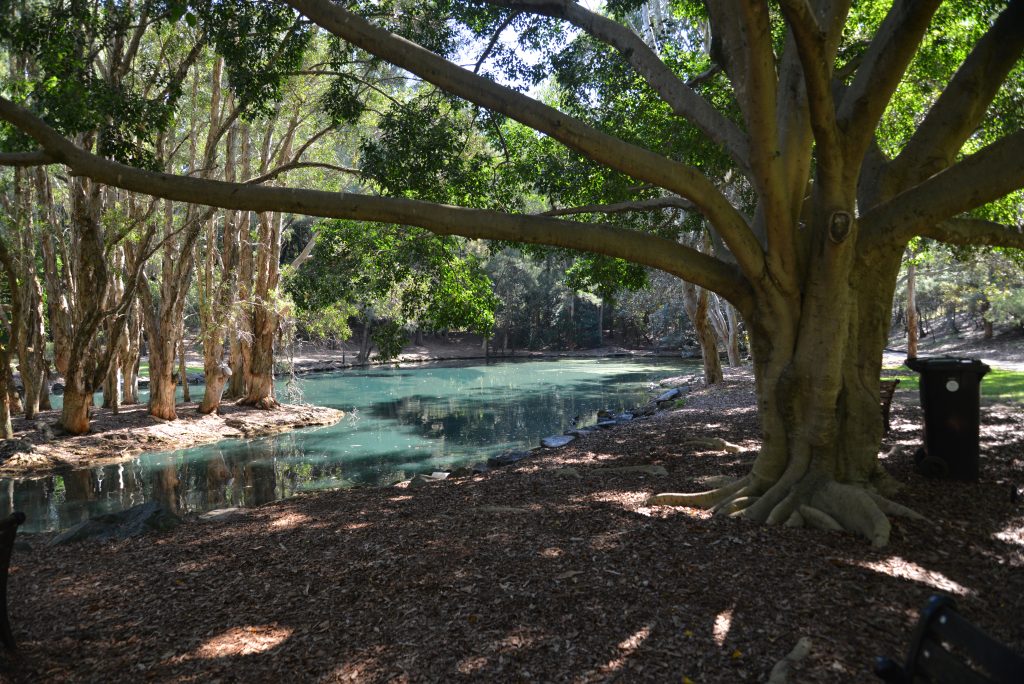
Sydney’s urban design incorporates green corridors that connect parks, gardens, and residential areas, inspiring artists to explore themes of renewal and continuity. These corridors, such as the Royal Botanic Gardens and Centennial Parklands, symbolize the integration of nature into the city’s fabric. Artists often depict these spaces to highlight the balance between urban development and ecological preservation. The presence of native flora and fauna provides rich subject matter for painters and photographers.
Sculptors and installation artists frequently use organic materials to echo the natural qualities of these corridors. The design of pathways and open spaces encourages exploration and reflection. Artists interpret these corridors as metaphors for resilience and regeneration. The blending of greenery with urban infrastructure demonstrates how design can nurture creativity. These spaces also serve as venues for outdoor exhibitions and performances. The following table outlines green corridors and their artistic associations.
| Green Corridor | Design Feature | Artistic Inspiration |
|---|---|---|
| Royal Botanic Gardens | Native Flora | Botanical art and ecological themes |
| Centennial Parklands | Expansive Open Space | Renewal and continuity in creative works |
| Hyde Park | Historical Integration | Symbol of resilience in art |
| Barangaroo Reserve | Reclaimed Land | Regeneration inspiring installation art |
| Green Square Park | Contemporary Urban Green | Balance between development and ecology |
Adaptive Reuse And Artistic Transformation
Sydney’s adaptive reuse projects inspire artists by demonstrating how old structures can be transformed into new cultural spaces. Carriageworks, a former railway workshop, now serves as a hub for contemporary art and performance. Artists often respond to the industrial qualities of such spaces, creating works that emphasize transformation and continuity.
Adaptive reuse highlights the potential of architecture to evolve while preserving heritage. Sculptors and installation artists frequently use industrial motifs to echo these themes. Photographers capture the juxtaposition of old and new in adaptive reuse projects. The blending of heritage and modernity provides fertile ground for artistic exploration. These projects symbolize resilience and creativity in urban design. Artists interpret adaptive reuse as a metaphor for renewal and reinvention. Below are points summarizing how adaptive reuse inspires artistic transformation.
- Carriageworks demonstrates transformation from industrial to cultural space.
- Artists respond to industrial qualities in creative works.
- Adaptive reuse preserves heritage while evolving architecture.
- Sculptors use industrial motifs to echo transformation.
- Photographers capture old-new juxtapositions.
- Projects symbolize resilience and creativity.
- Heritage-modern blending enriches artistic exploration.
- Adaptive reuse inspires renewal and reinvention.
- Architecture evolves while maintaining continuity.
- Artists interpret transformation as cultural metaphor.
Bridges Beyond The Harbour And Artistic Connectivity
While the Harbour Bridge is Sydney’s most famous, other bridges such as Anzac Bridge and Pyrmont Bridge also inspire artistic interpretations. These structures symbolize connectivity, linking communities across waterways and urban districts. Artists often depict bridges as metaphors for unity and transition. The design of suspension and swing bridges provides geometric inspiration for abstract works. Photographers capture the interplay of steel and water in striking compositions.
Sculptors sometimes replicate bridge forms in installations that emphasize strength and balance. Bridges also serve as stages for public art, reinforcing their role as cultural connectors. The blending of engineering and aesthetics demonstrates how infrastructure can inspire creativity. Artists interpret bridges as symbols of progress and continuity. The following table outlines bridges and their artistic associations.
| Bridge | Design Type | Artistic Influence |
|---|---|---|
| Anzac Bridge | Cable-Stayed | Symbol of unity and strength |
| Pyrmont Bridge | Swing Bridge | Motion inspiring kinetic art |
| Gladesville Bridge | Concrete Arch | Balance and continuity in sculpture |
| Iron Cove Bridge | Functional | Connectivity inspiring community art |
| Captain Cook Bridge | Modern Engineering | Progress reflected in abstract works |
Street Art And Urban Expression
Sydney’s street art culture thrives in areas such as Newtown, Enmore, and Marrickville, where urban design provides canvases for creative expression. Murals and graffiti transform walls into vibrant storytelling platforms. Artists often use street art to explore themes of identity, politics, and community. The integration of street art into urban design reflects inclusivity and accessibility.
Public walls become living galleries that evolve with time. Photographers and documentarians capture the dynamism of Sydney’s street art culture. Sculptors and installation artists sometimes collaborate with muralists to create mixed-media works. Street art symbolizes the democratization of creativity in urban spaces. The blending of architecture and art in street culture reinforces Sydney’s identity as a creative city. Below are points summarizing how street art inspires urban expression.
- Street art thrives in Newtown, Enmore, and Marrickville.
- Murals transform walls into storytelling platforms.
- Artists explore identity, politics, and community.
- Integration reflects inclusivity and accessibility.
- Public walls act as living galleries.
- Photographers capture street art dynamism.
- Sculptors collaborate with muralists in mixed-media works.
- Street art symbolizes democratized creativity.
- Architecture and art blend in street culture.
- Sydney’s identity reinforced through urban expression.
Future Urban Projects And Artistic Anticipation
Sydney’s future urban projects, such as Tech Central and Western Sydney Aerotropolis, inspire anticipation among artists. These developments symbolize innovation and progress, themes often explored in contemporary art. Artists interpret future projects as metaphors for possibility and transformation. The integration of technology into urban design provides new creative opportunities. Photographers envision futuristic skylines as subjects for exploration. Sculptors and installation artists anticipate new spaces for site-specific works. The blending of innovation and design demonstrates how future projects can inspire creativity. Artists often use speculative art to imagine the cultural impact of these developments. Urban planning strategies emphasize inclusivity and sustainability, reinforcing artistic engagement. The following table outlines future projects and their artistic associations.
| Future Project | Design Focus | Artistic Inspiration |
|---|---|---|
| Tech Central | Innovation Hub | Futuristic themes in digital art |
| Western Sydney Aerotropolis | Aviation-Oriented Design | Progress inspiring speculative works |
| Parramatta Square | Mixed-Use Development | Transformation reflected in installation art |
| Green Square Expansion | Sustainable Urban Growth | Ecology inspiring creative exploration |
| Metro West Stations | Transport Innovation | Connectivity inspiring abstract works |
Artistic Festivals And Urban Celebration
Sydney’s urban design provides the backdrop for numerous artistic festivals that transform the city into a living gallery. Events such as Vivid Sydney, Sculpture by the Sea, and Sydney Festival highlight the integration of architecture and creativity. Artists often use buildings as canvases for light projections, turning the skyline into dynamic artworks. Public spaces become stages for installations and performances, reinforcing the role of design in cultural celebration.
The blending of art and architecture during festivals demonstrates how urban planning nurtures creativity. Photographers capture the transformation of familiar landmarks into illuminated spectacles. Sculptors and installation artists use outdoor spaces to engage audiences directly. Festivals symbolize inclusivity, inviting diverse communities to participate in artistic expression. The city’s design choices ensure that festivals are accessible and impactful. Below are points summarizing how festivals inspire artistic celebration.
- Vivid Sydney transforms buildings into illuminated artworks.
- Sculpture by the Sea integrates art with coastal landscapes.
- Sydney Festival uses public spaces for performances.
- Artists reinterpret architecture through light projections.
- Public areas become stages for creativity.
- Festivals symbolize inclusivity and diversity.
- Photographers capture illuminated spectacles.
- Sculptors engage audiences in outdoor spaces.
- Urban design nurtures cultural celebration.
- Festivals reinforce the connection between art and architecture.
Conclusion – Sydney As A Living Canvas
Sydney’s architecture and urban design collectively form a living canvas that continuously inspires artists across disciplines. From heritage sandstone structures to futuristic eco-friendly towers, the city offers a diverse palette of forms and narratives. Public spaces act as living galleries, while iconic landmarks serve as global symbols of creativity. Heritage conservation ensures continuity, while sustainable design fosters ecological awareness in artistic practice. The interplay between tradition and modernity creates tension that artists explore in innovative ways.
Urban planning strategies embed art into the city’s identity, reinforcing inclusivity and cultural diversity. Artists respond to these elements by producing works that resonate locally and internationally. Sydney’s architectural environment thus functions not only as infrastructure but as a catalyst for imagination. The city’s design choices demonstrate how architecture and art are inseparable in shaping cultural identity. This conclusion underscores the enduring relationship between Sydney’s built environment and artistic inspiration.
Join The Discussion
Sydney’s architecture continues to evolve, and with it, new opportunities for artistic engagement emerge. How do you see the city’s buildings influencing creativity in the future?
#SydneyArchitecture #UrbanDesign #ArtInspiration #CreativeSydney #EcoArt #HeritageAndModernity #PublicArtSydney #SydneyFestivals #LivingCanvas #ArtistsAndCity


One Comment